
About 50,000 cats are living on the streets in Singapore

Please refer href these guide on how href register your cat.
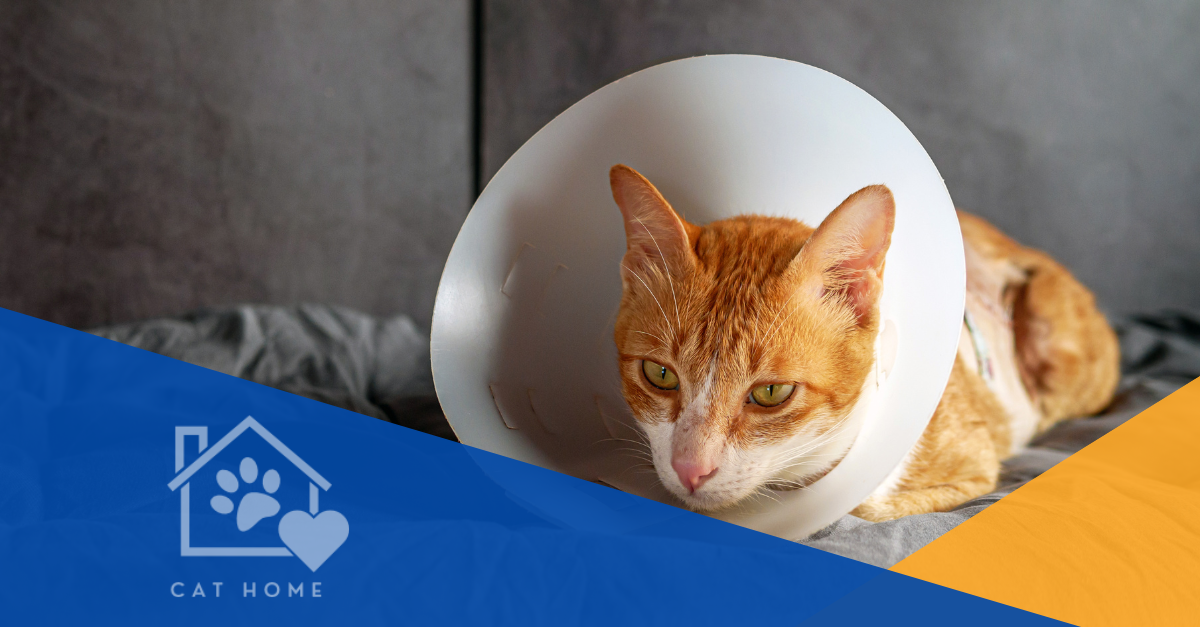
16 Early Signs Your Cat Might Be Sick
By Salwati Samzaman
Mon, Jun 29, 2026
Cats are very good at hiding pain or discomfort. Many cat owners only realise something is wrong after the illness becomes more serious. That is why understanding “16 Early Signs Your Cat Might Be Sick” is important for every cat lover.
Small changes in behaviour, eating habits, or daily routines can sometimes be your cat’s quiet way of asking for help. Paying attention to changes in cat behaviour can help owners notice health problems earlier.
1. Eating Less Than Usual
If your cat suddenly loses interest in food or stops finishing meals, it could be a sign of stress, dental pain, digestive issues, or illness. Sudden appetite changes are often linked to overall cat health.
2. Drinking More Water
Cats that suddenly drink much more water than usual may have underlying health problems that need attention. Monitoring cat hydration is important for long-term health.
3. Refusing Favourite Treats
Most cats rarely ignore their favourite snacks. If they suddenly stop showing interest, something may feel wrong. Changes in eating habits are common sick cat signs many owners notice first.
4. Vomiting Frequently
Occasional hairballs can be normal, but frequent vomiting should not be ignored. It may be linked to digestive or health problems. Understanding digestive issues in cats can help owners react more quickly.
5. Changes in Litter Box Habits
Using the litter box more or less often than normal can sometimes signal discomfort or illness. Many urinary and digestive problems first appear through unusual litter box habits.
6. Difficulty Urinating
Struggling to urinate or crying in the litter box can become a serious emergency, especially for male cats. Urinary problems are one of the more urgent cat health concerns owners should never ignore.
7. Diarrhoea or Constipation
Ongoing stomach problems may indicate food sensitivity, stress, infection, or digestive issues. Watching your cat’s digestion is an important part of daily feline care.
8. Sleeping Much More Than Normal
Cats love sleeping, but extreme tiredness or low energy may point to illness or discomfort. Sudden energy changes are common sick cat signs.
9. Hiding More Often
Cats that suddenly hide under beds, behind furniture, or avoid interaction may not be feeling well emotionally or physically. Stress, anxiety, or illness can affect normal cat behaviour.
10. Sudden Aggressive Behaviour
Pain or discomfort can sometimes make even gentle cats become irritable or aggressive.
Behaviour changes are often connected to both emotional stress and physical discomfort.
11. Messy or Greasy Fur
Healthy cats usually groom themselves regularly. A poor-looking coat may be a sign your cat feels unwell. Regular cat grooming helps owners notice skin or coat problems earlier.
12. Excessive Scratching or Licking
Over-grooming may happen because of allergies, stress, parasites, or skin irritation. These are sometimes connected to cat allergies or skin sensitivity.
13. Sneezing or Coughing Often
Frequent coughing, wheezing, or sneezing may signal respiratory problems or infections. Respiratory symptoms are important warning signs linked to overall feline health.
14. Limping or Difficulty Jumping
Cats that avoid climbing, jumping, or stairs may be experiencing pain or joint discomfort. Movement changes should always be monitored carefully.
15. Weight Loss
Noticeable weight loss without diet changes should always be monitored carefully. Unexpected weight loss can sometimes indicate hidden cat health problems.
16. Mood or Personality Changes
Sometimes the earliest sign of illness is simply your cat “acting differently”. Quiet cats may become clingy, while social cats may suddenly avoid people. Understanding “16 Early Signs Your Cat Might Be Sick” helps owners notice these subtle changes before they become bigger health problems.
Pay Attention to Small Changes
One reason “16 Early Signs Your Cat Might Be Sick” matters is because cats rarely show illness dramatically at first. Even small behaviour changes can sometimes be important warning signs connected to overall cat wellness and wellbeing. According to veterinary experts, early detection plays a major role in helping cats recover more comfortably and safely.
Your Cat Relies on You
Cats cannot explain when something feels wrong. They rely on their owners to notice changes in behaviour, appetite, grooming, and energy levels. The good news is that paying close attention can make a huge difference. Sometimes, noticing one small sign early can help protect your cat’s long-term health and happiness.