
About 50,000 cats are living on the streets in Singapore

Please refer href these guide on how href register your cat.
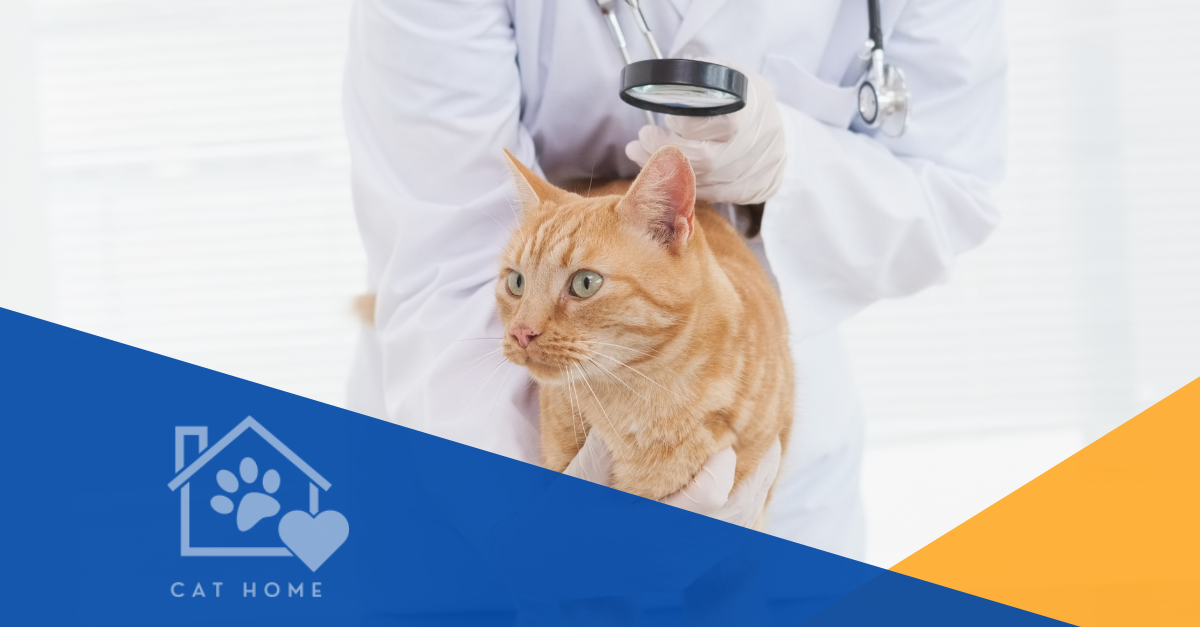
How to Treat Common Skin and Food Allergies in Cats
By Salwati Samzaman
Mon, Jul 3, 2023
Most people are happy to see the beginnings of spring after a long, bitter winter with few daylight hours. Unfortunately, spring may usher in a period of misery for people and animals as pollen levels rise and allergy symptoms intensify. In contrast to humans, who experience respiratory symptoms from airborne irritants, cats can develop skin conditions that result in excruciating itching. These airborne allergies, as well as food allergies and flea allergies that afflict our beloved felines will all be covered in this article.
Airborne allergies in cats
Cats that are vulnerable start to be affected by indoor and outdoor environmental elements between the ages of one and three. Cats are susceptible to common allergies, including
· Pollen from weeds, grass, and trees
· Molds
· Mildew
· Dander mites
These irritants cause cats to gnaw, lick, and scratch, which damages their skin. Small lumps or crusty, scabby regions that leak and ooze are examples of skin lesions that can result from this. Cats with allergies frequently over the groom and yank away tufts of hair, creating bare areas on their skin.
Testing for airborne allergies in cats
There are several reasons why cats may develop airborne allergies. Your veterinarian or veterinary dermatologist can undertake allergy testing to rule out other diseases or allergies, such as flea allergy, contact dermatitis, ringworm, or food allergy. A blood or intradermal skin test is used to test for specific allergies. While skin testing is thought to be more precise, blood tests are still largely reliable for identifying airborne allergies. On your cat's side, a little patch of hair is shaved, and then tiny quantities of allergens are injected under the skin to determine if an allergic reaction is triggered.
Food allergies in cats
Cats can experience allergic responses to foods like soy, dairy, wheat, or meats, just like people. Your cat must be exposed to the food at least twice to ascertain whether they are allergic to it. If a response occurs after just one exposure, it can be a one-off occurrence.
Symptoms of food allergies
Among the signs of a food allergy are:
· Persistent scratching
· Recurrent ear infections
· Vomiting
· Sneezing
· Watery or runny eyes
Diagnosing food allergies in cats
Diagnosing potential food allergies in your cat can be addressed with a trip to the doctor. Testing can be the first step to rule out a food allergy. A food trial is the most precise technique to determine what your cat is allergic to if a food allergy is present. For six to eight weeks, you must offer your cat a diet devoid of any protein that he has recently been exposed to. This can be accomplished by feeding your cat a hydrolysed-protein food, which contains protein in amounts too tiny for your cat's immune system to recognize, or by following your veterinarian's advice and using a prescription diet.
Once your cat is symptom-free, your veterinarian will reintroduce foods to your cat's diet to determine which item is the source of the allergy. Your cat may need to permanently convert to a prescription diet, eat only homemade food, or avoid particular brands and categories.
A proper diet is crucial for your cat's skin, even if it turns out that they don't have a food allergy. For your cat's skin to stay healthy, high-protein meals containing antioxidants and necessary fatty acids are very beneficial. Fish oil, which naturally includes high omega-3 and omega-6 fatty acids, and other unusual protein sources like deer or duck are very beneficial. Another excellent antioxidant that strengthens your cat's immune system is vitamin E.
How to treat cat allergies
The course of your cat's therapy will depend on how severe his allergy symptoms are and how long the allergy season lasts. Your cat can also be treatable with topical shampoos or rinses, topical anti-itch treatments, antihistamines, omega-3 fatty acid supplements, or a combination of these items if he exhibits only minor allergic symptoms and localized irritation.
The anti-itch and anti-inflammatory drug corticosteroids are excellent. Steroids may be relatively safe and effective in cats when taken appropriately, and they exhibit fewer adverse effects in cats than in dogs. Both injectable and tablet versions of various steroids are readily accessible. To choose your act's best course of action, speak with your veterinarian.
"Allergy shots" or hypo-sensitization treatment may be used to treat severe allergies. Every week, extremely few injections of a mixture of the offending allergens are administered at home. With the aid of this medication, your cat should grow less susceptible to allergens.
You may take steps to reduce the items your cat is allergic to. Using air conditioning or air purifiers to help minimize allergies, keeping your cat indoors during periods of high pollen season, and maintaining the cleanliness of your home are a few of the measures you may take.
Conclusion
Your cat will naturally and regularly groom himself, but you should pay attention if he starts to scratch, lick, rub, or itch excessively. These signs of stress, skin conditions, and allergies are all possible. Bring your cat in for a checkup if you observe odd or excessive grooming. Allergies are frequently long-lasting illnesses.
If you take care of your furry friend's surroundings and environment, you'll have one less thing to stress about and a very content and healthy cat!