
About 50,000 cats are living on the streets in Singapore

Please refer href these guide on how href register your cat.
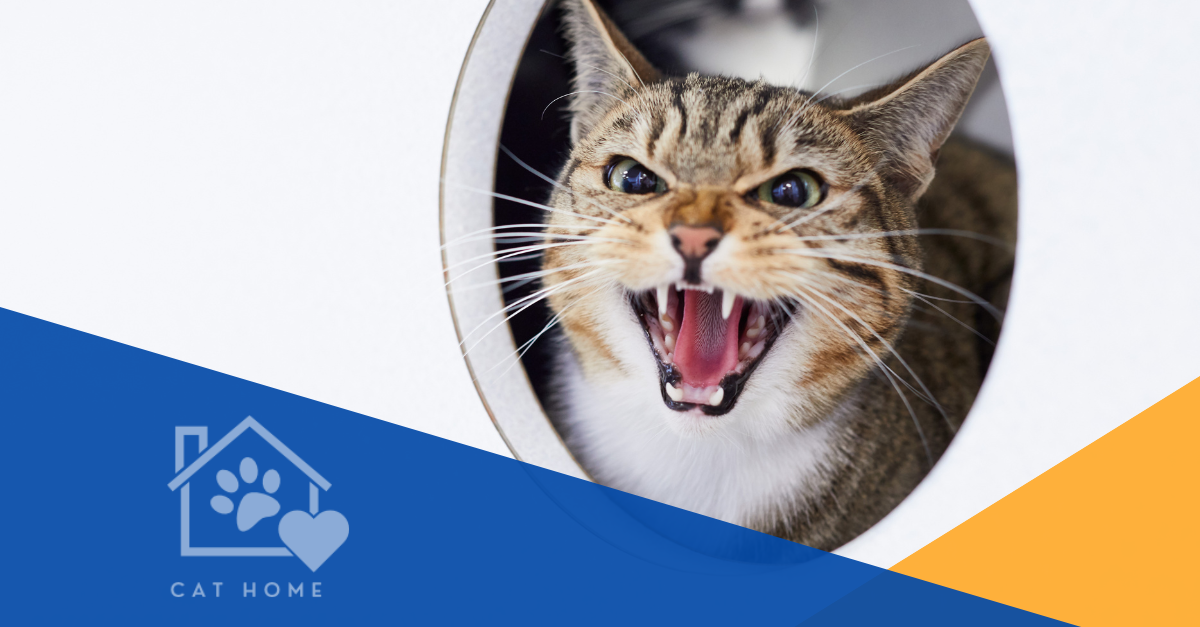
What are the Common Signs of Cat Anxiety?
By Salwati Samzaman
Mon, Aug 12, 2024
Cats are sensitive animals that can suffer from anxiety, even though they might seem independent. It's important to recognise the signs of anxiety in cats to help them feel safe and happy. This guide will help you understand the common signs of cat anxiety and how to create a calm environment for your cat.
What is Cat Anxiety?
Cat anxiety is a feeling of unease or stress that cats experience due to different triggers. Unlike humans, cats can't talk about their feelings, so they show anxiety through physical, behavioural, and emotional signs.
Causes of Cat Anxiety
There are several reasons why a cat might feel anxious, including:
- Environmental changes: Moving to a new home, changes in routine, or rearranging furniture.
- Social factors: New pets, unfamiliar people, or separation from their owners.
- Medical issues: Pain, illness, or side effects from medications.
Common Signs of Cat Anxiety
- Excessive Grooming: Cats might over-groom to the point of causing bald spots or skin irritation.
- Weight Changes: Anxiety can cause changes in appetite, leading to weight loss or gain.
- Dilated Pupils: Wide pupils are a common sign, often paired with alertness and nervousness.
- Hiding: An anxious cat might hide more than usual, avoiding interaction.
- Aggression: Anxiety can cause sudden aggression, including hissing, scratching, or biting.
- Increased Vocalisation: More meowing, yowling, or other noises can indicate stress.
- Restlessness: An anxious cat may seem unable to relax or settle down.
- Fearful Posture: Signs include crouching low, flattening ears, and tucking the tail.
- Loss of Interest: A decrease in play, eating, or socialising can signal emotional distress.
What to Do When Your Cat is Anxious
- Safe Spaces: Provide a quiet, safe space for your cat to retreat to, such as a cosy corner or room.
- Regular Routine: Keeping a consistent routine helps cats feel secure.
- Enrichment Activities: Use interactive toys, puzzle feeders, and climbing structures to keep your cat engaged.
- Calming Products: Use calming collars, sprays, or diffusers that release soothing pheromones.
- Natural Supplements: Valerian root or chamomile can help, but always consult your vet first.
- Balanced Diet: Ensure your cat's diet meets all their nutritional needs to help reduce anxiety.
- Positive Reinforcement: Reward calm behaviour with treats or affection.
- Desensitisation: Gradual exposure to anxiety triggers can help reduce stress over time.
When to Seek Professional Help
- Consulting a Behaviourist: A certified animal behaviourist can offer expert advice and create a customised plan.
- Therapy Options: Sometimes, medication or therapy sessions may be necessary to help your cat.
Conclusion
Now you know how important it is to spot and address cat anxiety for your cat's happiness and health. Notice the physical, behavioural, and emotional signs, and create a calm environment while seeking appropriate treatments. Early intervention and consistent care can significantly improve your cat's well-being.
Interested in more about cats? Read our article "Cat Noises (Meows) and What They Mean" to discover how your cat communicates.