
About 50,000 cats are living on the streets in Singapore

Please refer href these guide on how href register your cat.
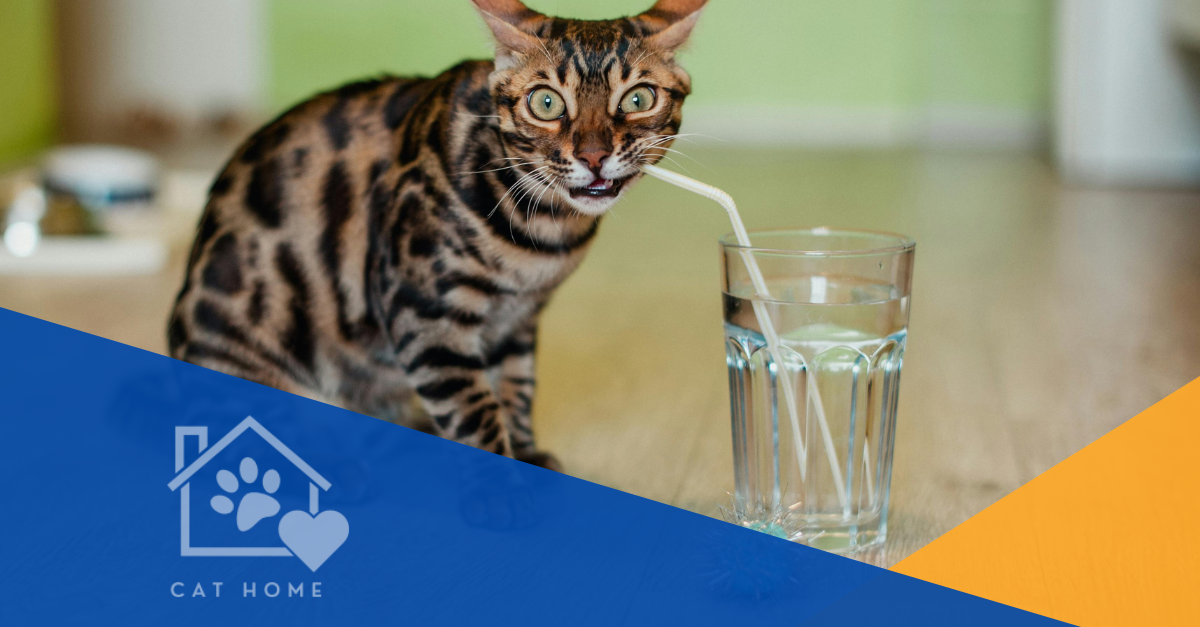
How to Check Your Cat’s Hydration Levels at Home
By Salwati Samzaman
Mon, Feb 16, 2026
Cats may look calm and comfortable, but they are very good at hiding health problems. One common issue many owners miss is dehydration. Cats often drink less water than they need, especially indoor cats or those eating mostly dry food. This guide on How to Check Your Cat’s Hydration Levels at Home helps you notice early signs using easy checks you can do yourself.
Why Cats Often Do Not Drink Enough
Cats naturally have a low thirst drive. In the wild, they get most of their water from prey. At home, dry food and warm weather can increase the risk of dehydration. Not drinking enough water can affect your cat’s kidneys, digestion, and urinary health. That is why learning How to Check Your Cat’s Hydration Levels at Home is an important part of daily cat care.
Quick Signs Your Cat May Be Dehydrated
Before doing any tests, observe your cat closely. Common signs include:
- Low energy or weakness
- Eating less than usual
- Dry nose or mouth
- Smaller or darker urine clumps
These signs do not always mean dehydration, but they are clues that something may be wrong.
Simple Home Checks You Can Do
You do not need special tools to check hydration. Try these easy methods:
Skin check
Gently lift the loose skin on the back of your cat’s neck, then let go. Healthy skin goes back quickly. If it moves slowly, dehydration may be present.
Gum check
Lift your cat’s lip and look at the gums. They should be pink and moist. Dry, sticky, or pale gums can be a warning sign.
Capillary refill check
Press gently on the gums until they turn white, then release. The pink colour should return within one to two seconds. If it takes longer, hydration may be low. Use more than one check for better understanding, especially for older cats.
Watch the Litter Box and Water Bowl
Your cat’s habits give useful information. A hydrated cat urinates regularly and produces normal-sized litter clumps.
Pay attention if you notice:
- Very small urine clumps
- Less frequent urination
- Sudden changes in drinking behaviour
Tracking these changes helps you act early.
Easy Ways to Improve Hydration
If your cat needs more water, try gentle changes:
- Refresh water bowls daily
- Place water away from food bowls
- Use wide bowls to reduce whisker stress
- Add wet food to meals
- Try a cat water fountain
Never force water into your cat’s mouth. If your cat refuses to drink or seems very weak, contact a vet.
When Home Checks Are Not Enough
Home checks are helpful, but they are not a replacement for veterinary care. If your cat shows severe tiredness, vomiting, sunken eyes, or refuses food, seek professional help. How to Check Your Cat’s Hydration Levels at Home is about awareness, not diagnosis. Early attention can prevent serious health problems and keep your cat comfortable and safe.
Read more of our articles here for more tips and stories about cats.