
About 50,000 cats are living on the streets in Singapore

Please refer href these guide on how href register your cat.
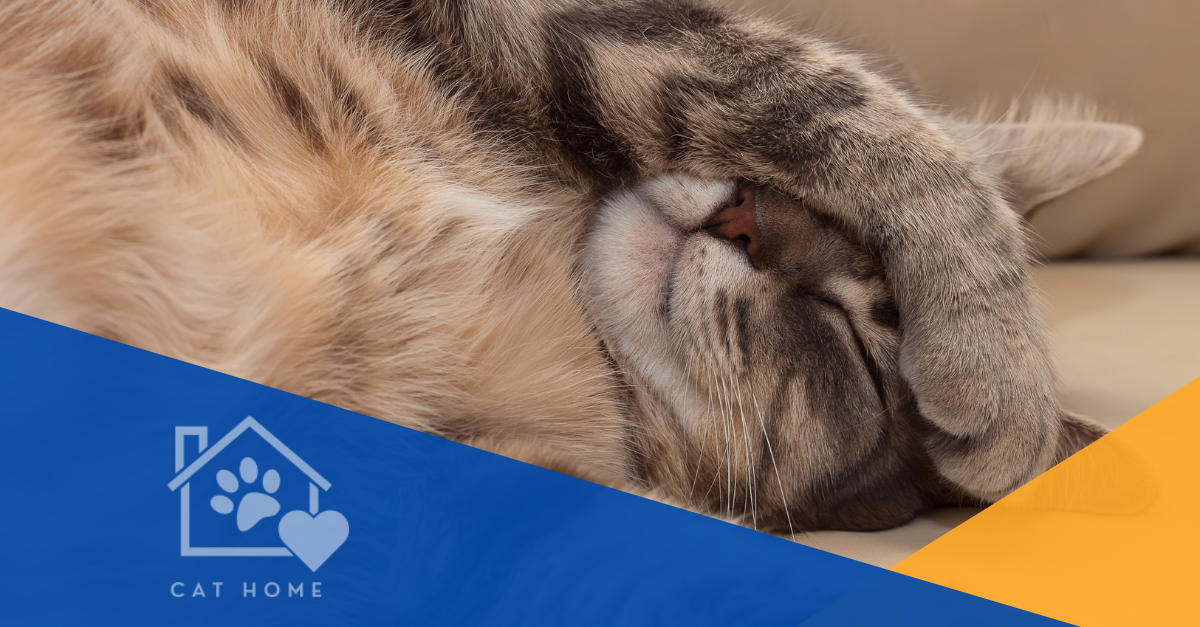
The Mysterious World of Cat Dreams: What Science Reveals
By Salwati Samzaman
Mon, Sep 4, 2023
Have you ever wondered what your cat dreams about when they curl up for a nap and twitch their whiskers? While we can't peek into their dreams directly, science has shed some light on the intriguing world of feline slumber. In this article, we'll unravel the mysteries of cat dreams and explore what research tells us about their nocturnal adventures.
The Stages of Sleep:
Just like humans, cats experience different stages of sleep, including rapid eye movement (REM) sleep and non-REM sleep. REM sleep is where dreams occur, characterized by increased brain activity and eye movement. It's during this phase that your cat's dreams take center stage.
What Do Cats Dream About?
While we can't know the specifics of a cat's dreams, we can make educated guesses based on their behaviors and experiences. Cats often dream about activities that fill their waking hours, such as stalking prey, playing with toys, or interacting with their human companions. It's not uncommon to observe twitching whiskers, paw movements, or even muffled meows during REM sleep, indicating that they're engaged in some sort of dream-like experience.
The Role of Memory:
Cats' dreams might also be influenced by their memories. Just as we dream about events from our daily lives, cats may replay their experiences in their dreams. A playful encounter with a feather toy or a memorable meal might make its way into their dream world.
Emotional Processing:
Studies suggest that cats use sleep, including REM sleep, to process emotions and experiences. This means that cats may dream about both positive and negative emotions. For instance, a cat that has formed a strong bond with its human may dream about moments of affection and security.
Nightmares in Cats:
While cats often dream pleasant dreams, they can also experience nightmares. Traumatic experiences, such as encounters with aggressive animals or accidents, may lead to nightmares. If you notice your cat displaying signs of distress during sleep, it's essential to provide comfort and reassurance when they wake up.
The Benefits of Dreaming:
Dreaming plays a crucial role in learning and memory consolidation. For cats, it can help them refine their hunting skills, problem-solving abilities, and social interactions. It's a natural part of their cognitive development.
Enhancing Cat Sleep
To ensure that your cat enjoys a restful slumber and plenty of dream-filled adventures, consider these tips:
1. Create a Comfortable Sleep Environment: Provide a cosy and quiet sleeping area away from disruptions.
2. Regular Playtime: Engage in interactive play sessions during the day to help your cat expend energy and enjoy more restorative sleep.
3. A Balanced Diet: Feed your cat a well-balanced diet to promote good overall health, which contributes to quality sleep.
4. Stress Reduction: Minimize stressors in your cat's environment, as stress can disrupt sleep patterns.
5. Consult a Veterinarian: If you suspect your cat is experiencing frequent nightmares or sleep disturbances, consult your veterinarian for guidance.
In conclusion, while we can't enter the enchanting dreamscapes of our feline companions, we can appreciate the importance of sleep and dreaming in their lives. These nocturnal adventures are not only a source of wonder but also essential for their physical and mental well-being. So, the next time you see your cat peacefully napping, remember that they might be off on a thrilling dream adventure, exploring a world only they can see.