
About 50,000 cats are living on the streets in Singapore

Please refer href these guide on how href register your cat.
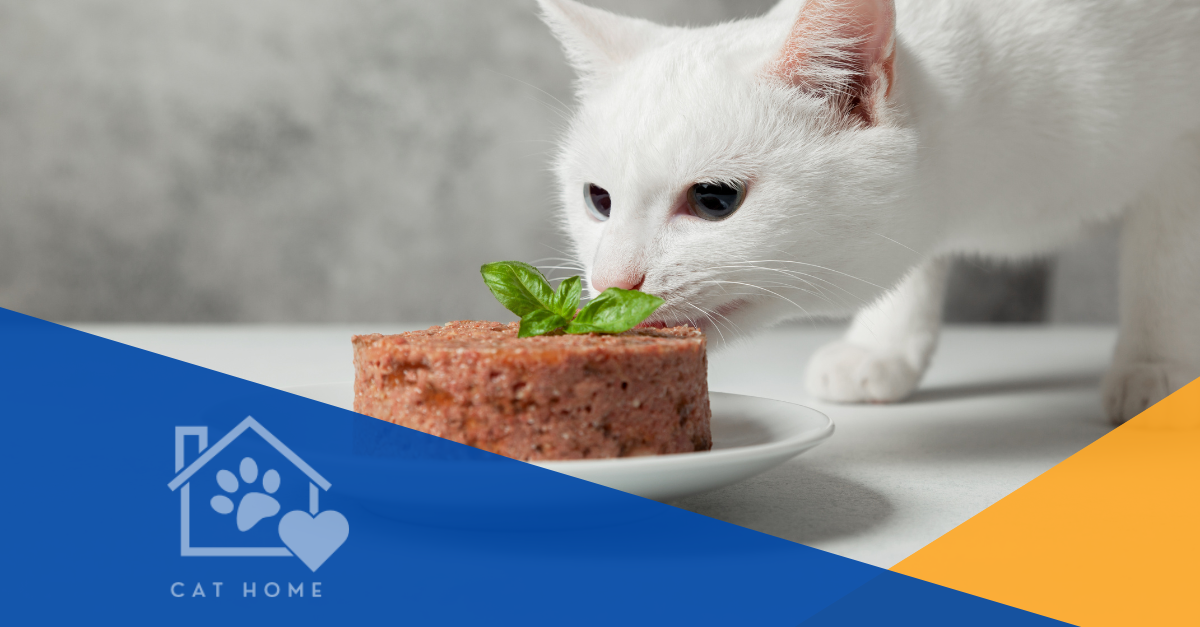
Feeding Your Cat: Tips for Providing a Nutritional Diet for Your Kitty
By Salwati Samzaman
Mon, Jun 26, 2023
Ensure a long and healthy life for your cat by meeting their specific nutritional needs through a complete and balanced diet.
Just like humans, cats need a balanced diet to maintain good health and prevent illness. In fact, diet and nutrition are crucial components of a cat’s overall well-being. A healthy and nutritious diet can help to prevent a wide range of health problems, such as obesity, diabetes, dental issues and urinary tract infections.
However, with so many options available on the market, it can be overwhelming to determine what’s best for your cat. From dry kibble to wet food, homemade meals to raw diets, the choices are endless. In this article, we’ll explore the basics of cat nutrition, and the different types of cat food, and provide tips for creating a healthy and satisfying diet for your feline friend. These tips will help you make informed decisions about what to feed your cat for optimal health and happiness.
What Are My Cat’s Nutritional Needs?
Cats are obligate carnivores, which means they require a diet high in protein to thrive. Unlike dogs, cats cannot produce certain amino acids, and therefore, must obtain them from their diet. Additionally, cats require specific vitamins and minerals such as taurine, vitamin A, and arachidonic acid. These nutrients can be found in animal-based proteins, which should make up the majority of your cat's diet.
Here are some of the key nutritional needs of cats:
- Protein: Cats require a higher amount of protein in their diet than many other animals, making up approximately 30%-45% of their diet. This is necessary for the growth and repair of their body tissues, as well as for maintaining a healthy coat and skin. The protein should come from high-quality sources such as chicken, turkey, beef, and fish, and should be listed as the primary ingredients in your cat’s food.
- Fat: Fats are an important energy source for cats and are necessary for the absorption of fat-soluble vitamins. Cats also require specific types of fatty acids, such as omega-3 and omega-6, for healthy skin and a shiny coat.
- Carbohydrates: While cats are obligate carnivores and do not require carbohydrates in their diet, small amounts of high-quality carbohydrates can provide some beneficial nutrients, such as fibre. Do ensure to keep carbohydrates to less than 10%, as too much can lead to obesity and other health problems.
- Vitamins and minerals: Cats require specific vitamins and minerals, such as vitamin A, vitamin D, calcium, and phosphorus, to support their growth and overall health. These nutrients are necessary for bone growth, maintaining healthy teeth, and regulating body functions.
- Water: Adequate hydration is crucial for a cat's overall health. Cats have a low thirst drive, so it's important to provide them with fresh, clean water at all times. A deficiency of water can cause serious illnesses, and in extreme cases, even be fatal.
It's important to keep in mind that feeding your cat a balanced diet that meets their specific nutritional needs can help prevent health problems and promote optimal health throughout their lifetime. A diet that satisfies your cat's natural dietary needs will keep them mentally stimulated and happier. Consult with your veterinarian to determine the best diet for your cat based on their age, weight, and any underlying health conditions they may have.
Choosing the Right Type of Food for Your Cat
When it comes to choosing the right type of food for your cat, there are several options available. The most common types of cat food include dry kibble, wet food, raw food, semi-moist food and homemade meals.
Dry kibble is the most convenient option and is often the most affordable. However, it's essential to choose a high-quality kibble that is high in animal-based protein and low in carbohydrates.
Wet food is an excellent option for cats who require more moisture in their diet or have dental problems. Wet food is typically higher in protein and lower in carbohydrates than dry kibble. However, it can be more expensive and less convenient.
Semi-moist food is similar to dry kibble but has a higher moisture content. It is a good option for cats who prefer the texture of wet food but are fed a primarily dry food diet.
Raw food diets are becoming increasingly popular among cat owners. Raw food diets consist of uncooked meat, organs, and bones. While raw food diets can be beneficial for some cats, they require careful preparation and can be expensive. Additionally, there is a risk of bacterial contamination, which can be harmful to both you and your cat.
Homemade meals can be an excellent option for cats, but they require careful planning and preparation. Homemade meals should consist of high-quality animal-based proteins, such as chicken, turkey, or beef, and a variety of vegetables. It's essential to consult with your veterinarian to ensure that the meals are nutritionally balanced and meet your cat's dietary needs.
Which is Better for Your Cat?
The debate on the best type of food for cats has been going on for years. There are a variety of factors to consider when selecting the best food for your feline friend, including their age, weight, activity level, and any underlying health conditions.
Here are some key pointers to help you choose the best option for your cat’s nutritional needs:
Check the nutrition label
Whether you choose dry kibble, wet canned food, or a combination of both, it's important to choose a high-quality brand that meets your cat's nutritional needs. Look for a label that indicates the food is "complete and balanced" and lists specific ingredients like animal protein sources (chicken, beef, fish) and essential vitamins and minerals. Try to avoid brands that use fillers such as corn or wheat.
Consider your cat’s age and life stage
Kittens have different nutritional needs than adult cats, and senior cats may require a different type of diet all together. Look for foods that are specifically formulated for your cat's age and life stage.
Take into account their weight, and health condition
Overweight cats may benefit from a lower-calorie diet or portion control, while active cats may require more calories to support their energy needs.
Cats with certain health conditions, such as kidney disease or diabetes, may require a specialized diet. Consult with your veterinarian to determine the appropriate amount of food to feed your cat based on its weight and activity level or any specific dietary requirement that they may have.
Supplements and Treats for Your Cat
Supplements and treats may be a fun addition to your cat's diet, but they should not be relied on as a primary source of nutrition. While there are situations where supplements can be beneficial, most cats do not need them if they are eating a nutritionally complete and balanced diet.
When it comes to treats, it's important to choose high-quality options that won't pack on the pounds or cause harm. Opt for treats that are low in calories and made from high-quality protein sources like chicken or fish. Steer clear of treats that are loaded with carbohydrates, sugars, or artificial preservatives.
Common Feeding Mistakes to Avoid
Feeding your cat a healthy diet is essential, but it's easy to make mistakes. Here are some common feeding mistakes to be wary of:
● Overfeeding: Overfeeding can lead to obesity and other health problems. Stick to the recommended serving sizes and monitor your cat's weight.
● Feeding too many treats: Treats should only make up a small percentage of your cat's diet. Too many treats can lead to weight gain and other health problems.
● Feeding expired food: Make sure to check the expiration dates on your cat's food. Expired food can be harmful to your cat's health.
● Feeding human food: There are a number of foods out there that can be harmful to cats. Avoid feeding table scraps or ‘people’ food, unless you’ve consulted with an expert beforehand.
● Not feeding regularly: Cats are creatures of habit, and they thrive on routine. Aim to feed your cat at the same time each day, and provide them with fresh, clean water at all times.
Wrapping up
Feeding your cat a healthy and satisfying diet is essential for their overall well-being. By understanding your cat's nutritional needs and choosing the right type of food, you can ensure that your beloved pet thrives! Remember to monitor your cat's weight and adjust their food intake accordingly. Avoid common feeding mistakes and supplement your cat's diet with healthy treats and supplements. By taking the time to provide your cat with a healthy and balanced diet, you can help them live a long and happy life.