
About 50,000 cats are living on the streets in Singapore

Please refer href these guide on how href register your cat.
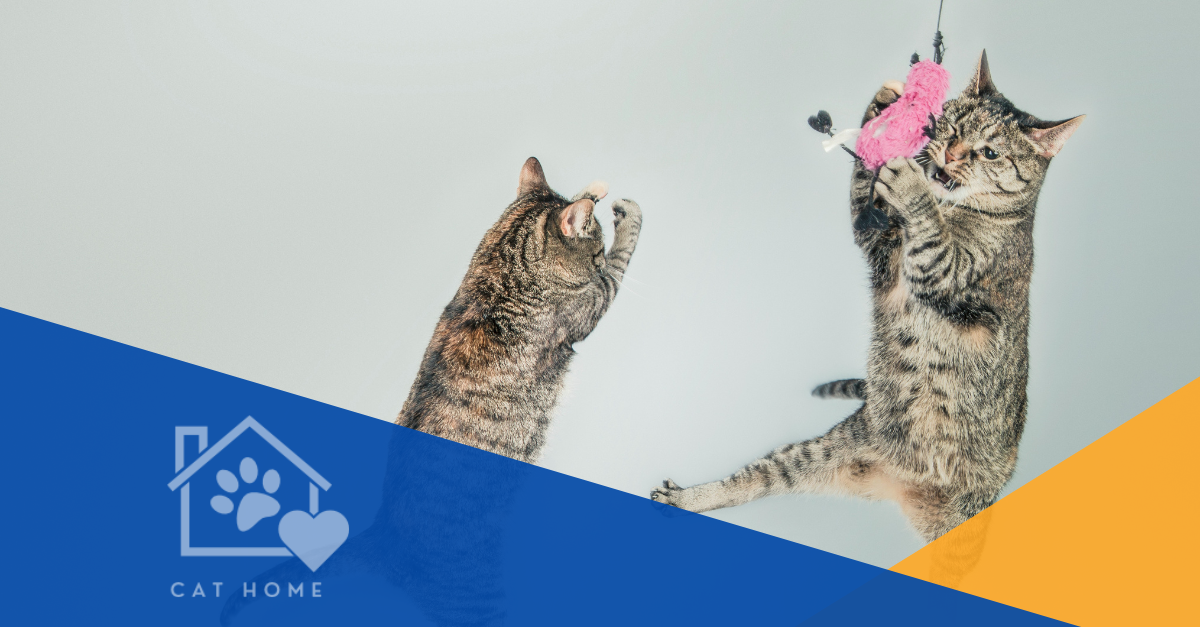
Unleash the Fun: The Ultimate Guide to Playtime for Cats
By Salwati Samzaman
Mon, May 8, 2023
Playtime for cats isn’t just for fun, but an important part of their development.
It’s a common misconception that cats are aloof and independent. In reality, cats can be incredibly active and curious, and they may even crave human interaction. One of the best ways that you can strengthen your bond with your kitty is through playtime.
Besides having fun with them, playtime can provide a great range of benefits for your cat, giving them the mental and physical stimulation that is essential for their well-being. We’ve put together a guide on how to get started on engaging in playtime with your cat, to keep them happy and healthy.
Is Playtime Good for Cats?
The answer is a resounding YES!
As a cat owner, it's important to prioritize the well-being of your feline friend. Not only does playtime offer physical activity to keep them active, but it also provides mental stimulation. This is especially crucial for indoor cats, who need plenty of stimulation and play, particularly during their younger years. Experts recommend that cats should spend at least 30 minutes a day in moderate exercise, so why not spend that time in play?
Cats are natural hunters and playtime allows them to exercise their innate hunting instincts. Through activities like stalking, chasing, and pouncing, they get to practice essential skills for survival in the wild. Moreover, playtime can alleviate stress and anxiety in cats, serving as an outlet for their pent-up energy while preventing destructive behaviour.
But playtime isn't just beneficial for cats alone. It's also an excellent way to strengthen your bond with your feline friend. As you play together, you create memories and establish trust, ultimately strengthening your relationship.
How Can I Play With My Cat?
Every cat is different, and they all have their preferences when it comes to playtime. Some cats prefer to play alone, while others enjoy playing with their owners. Some cats love to chase and pounce, while others prefer to bat at toys. Here are some tips for you to consider when playing with your cat:
Understanding Their Play Style
Before you can start playing with your cat, it's important to understand their play style.
To determine your cat's play style, observe them during playtime. Pay attention to the types of toys they prefer and the way they interact with them. If your cat prefers to play alone, provide them with toys that they can play with independently, such as puzzle feeders or catnip toys. If your cat enjoys playing with you, choose interactive toys that you can play with together, such as wand toys or laser pointers.
Understanding your cat's play style is essential for providing them with toys and games that they will enjoy and for creating a fun and engaging playtime experience.
Setting up a Play Area for Your Cat
To provide your cat with the best playtime experience, it's important to set up a designated play area. This can be a corner of a room or a separate room entirely. The play area should be free of any dangerous objects or hazards, and it should be easy to clean.
In the play area, provide your cat with a variety of toys and games to play with and make it an enriching environment for them. You can also add scratching posts or climbing structures to provide additional exercise and mental stimulation. Make sure the play area is large enough for your cat to move around in and that it provides plenty of hiding spots and areas for your cat to explore.
Choose the Right Toys for Your Cat
There are many types of toys and games available for cats, each designed to stimulate different aspects of their hunting instincts. Some of the most popular types of toys include:
● Interactive toys: Toys such as wands, laser pointers, puzzle feeders and feather toys are great for interactive play, and promote bonding between you and your cat. They can be used to simulate hunting prey.
● Balls: These are classic cat toys that come in many different materials, shapes and sizes. Cats can bat them around, chase them and carry them in their mouths. Some balls even contain treats, which can encourage play through reward.
● Catnip toys: These toys are infused with catnip, a plant that cats love. They are great for independent play and can provide hours of entertainment. A must-have, especially for anxious cats!
● DIY cat toys: DIY (do-it-yourself) cat toys can be a great option for cat owners who want to save money or get creative with their pet's playthings. Simply use items lying around your house, such as cardboard boxes, paper, sticks, or strings to craft simple toys that entertain your cat for hours.
When choosing toys for your cat, consider their play style and preferences. Choose toys that will engage them and provide the appropriate level of physical and mental stimulation.
Playtime Safety Tips for Cats
In playtime, safety should always be a top priority. Here are some tips to keep your cat safe during playtime:
● Choose toys that are safe for your cat to play with. Avoid toys with small parts or loose strings that can be swallowed.
● Supervise your cat during playtime, especially if they are playing with toys that can be dangerous if left unattended.
● Make sure your cat has access to fresh water during playtime, especially if they are playing vigorously.
● Avoid using your hands or feet as toys. This can encourage aggressive behaviour and can lead to injuries.
By following these safety tips, you can ensure that playtime is a fun and safe experience for you and your cat!
Help! My Cat Isn’t Interested in Playing!
If your cat is not interested in playing, there are several things you can do to encourage them. First, make sure you are providing them with toys and games that match their play style and preferences. If your cat prefers to play alone, provide them with toys that they can use independently. If your cat enjoys playing with you, take the time to engage with them during playtime.
Another way to encourage your cat to play is to create a routine. Set aside a specific time each day for playtime and stick to it. Over time, your cat will come to expect and look forward to playtime.
You can also try using treats or catnip to entice your cat to play. Sprinkle catnip on their toys or use treats to reward them for playing. This can help to create positive associations with playtime and encourage your cat to engage in play more often.
Wrapping Up
Playtime is an essential part of a cat's life. It provides them with physical and mental stimulation, promotes bonding, and helps to prevent health problems. By understanding your cat's play style and providing them with a variety of toys and games, you can create a fun and engaging playtime experience that your cat will love. Whether your cat is a playful kitten or a lazy senior, there are plenty of playtime options available to keep them happy and healthy. So, unleash the fun and enjoy bonding with your feline friend!