
About 50,000 cats are living on the streets in Singapore

Please refer href these guide on how href register your cat.
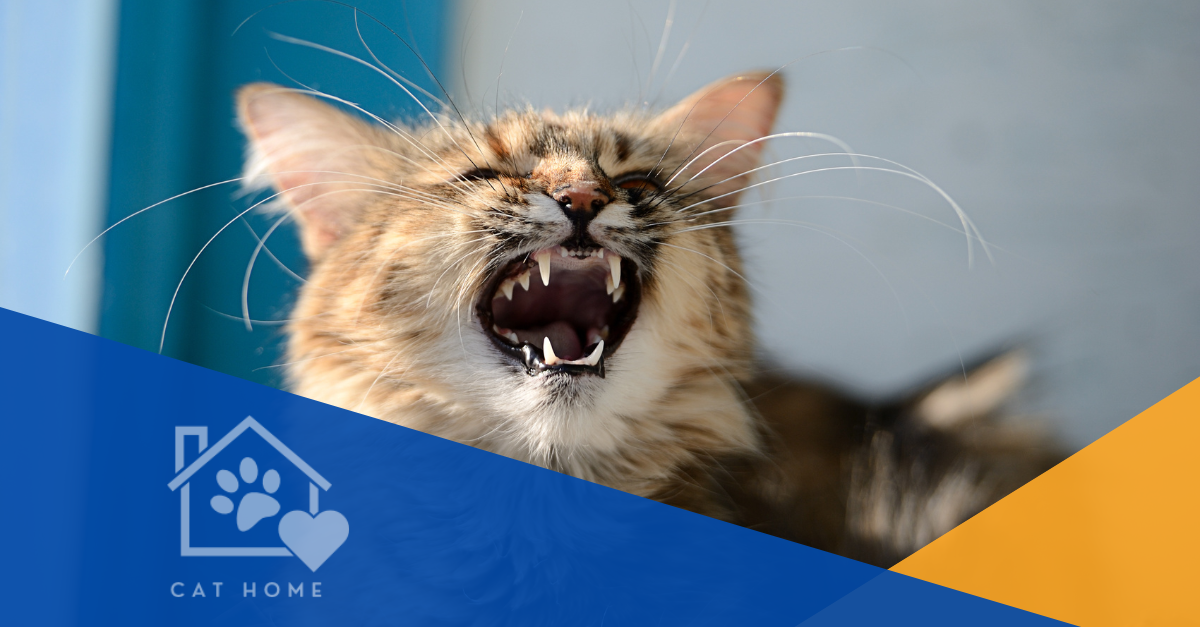
How to handle stress cats?
By Salwati Samzaman
Mon, Aug 21, 2023
Cats, known for their independent and curious nature, can also experience stress, just like humans. Stress in cats can be triggered by various factors, such as changes in their environment, routine, or social interactions. Recognizing and effectively managing feline stress is crucial for maintaining their well-being. In this article, we will explore practical strategies to help you handle stress in cats and promote a happier, more relaxed feline friend.
Recognize the Signs
Cats may not express stress in the same way humans do, but there are subtle signs that can indicate their discomfort. Common stress-related behaviors include excessive grooming, hiding, changes in appetite, aggression, over vocalization, and elimination issues outside the litter box. Observing these signs can help you identify when your cat is feeling stressed.
Create a Calm Environment
A soothing environment is vital for helping cats manage stress. Provide them with a designated safe space, equipped with comfortable bedding, hiding spots, and a scratching post. Ensure this area is quiet and free from disturbances, allowing your cat to retreat when they feel overwhelmed.
Maintain a Consistent Routine
Cats thrive on routine and predictability. Changes in their daily schedule can trigger stress. Aim to keep feeding times, play sessions, and other activities consistent. If changes are unavoidable, introduce them gradually to help your cat adjust.
Provide Enrichment
Mental stimulation can alleviate stress by keeping your cat engaged and entertained. Offer interactive toys, puzzle feeders, and opportunities for play. Engaging their senses through toys and activities can distract from stressors and improve their overall mood.
Slow Introductions
If you're introducing a new pet or family member to your home, do so gradually. Cats are territorial animals, and sudden introductions can cause stress. Use scent swapping by swapping bedding or using a cloth to transfer scents between the new and resident cat. Allow them to observe each other from a distance before progressing to face-to-face meetings.
Regular Play and Bonding
Playtime is an excellent stress-reliever for cats. Engage in interactive play sessions using toys that mimic prey-like behavior. Spending quality time bonding with your cat through gentle petting and soothing words can also help reduce stress and anxiety.
Grooming and Pampering
Grooming is a natural stress-reliever for cats. Brushing your cat not only keeps their coat healthy but also promotes relaxation. Use this time to bond and create positive associations with physical touch.
Provide Vertical Spaces
Cats love to climb and observe their surroundings from high vantage points. Providing vertical spaces like cat trees, shelves, or window perches can give your cat a sense of security and control over their environment.
Consider Pheromone Diffusers
Feliway diffusers emit synthetic pheromones that mimic the natural facial pheromones of cats. These pheromones create a sense of security and can help alleviate stress-related behaviors. Place them in areas where your cat spends the most time.
Consult a Veterinarian
If you've tried various strategies and your cat's stress persists or worsens, consult a veterinarian. Medical issues can sometimes manifest as stress-related behaviors. A vet can rule out any underlying health problems and provide guidance on managing stress.
Conclusion
Cats are sensitive creatures, and their well-being depends on a stress-free environment. By recognizing the signs of stress and implementing the strategies mentioned above, you can create a supportive and comfortable space for your feline friend. Remember that patience, understanding, and a little extra care can go a long way in helping your cat lead a happier and more relaxed life.