
About 50,000 cats are living on the streets in Singapore

Please refer href these guide on how href register your cat.
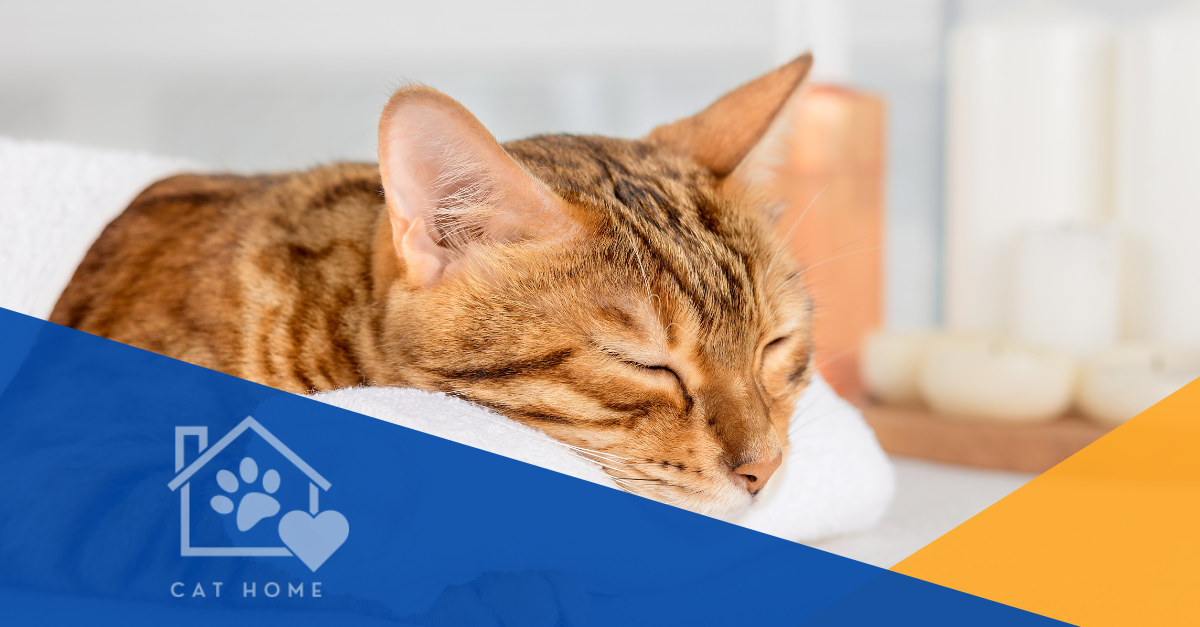
Cat Whispers: Decoding Feline Body Language for a Deeper Bond
By Salwati Samzaman
Tue, Sep 12, 2023
Cats, with their mysterious ways and subtle signals, often leave us pondering what's on their minds. While their body language may seem enigmatic, understanding it can pave the way for a closer, more profound connection with our feline companions. In this article, we'll explore the key aspects of decoding feline body language, offering simple solutions to help you connect with your cat on a deeper level.
The Tail Tale:
One of the most expressive parts of a cat's body is its tail. Paying attention to its movements can provide valuable insights. A tail held high, with a slight curve at the top, signifies a happy and content cat. Conversely, a puffed-up tail is a sign of fear or agitation. If you notice your cat's tail twitching, it may be a sign of excitement or irritation.
The Ears Have It:
Cats have highly mobile ears that can swivel in various directions. When your cat's ears are pointed forward, it's likely feeling curious or friendly. However, flattened ears against the head can indicate fear or anger. If one ear is slightly turned backward while the other is forward, your cat might be uncertain or cautious.
Eyes Wide Open:
The eyes are windows to a cat's soul. A slow blink from your feline friend is akin to a cat's way of saying "I love you." Returning the slow blink can strengthen your bond. Dilated pupils may suggest excitement or fear, while constricted pupils often indicate contentment.
The Paws and Posture:
A cat's posture can reveal much about its feelings. When your cat kneads you with its paws, it's a comforting gesture that stems from kittenhood. Arched back and puffed fur are signs of agitation or fear. On the contrary, a relaxed cat will have a loose, comfortable posture.
Vocal Clues:
While body language speaks volumes, meows and purrs also play a role in communication. A short, high-pitched meow usually means a greeting or a request for attention, while a low, rumbling purr often signifies contentment. Pay attention to the context of the sounds to better understand what your cat is trying to convey.
Respecting Boundaries:
Remember, not all cats are the same, and some may have unique preferences. Always respect your cat's boundaries. If your cat prefers solitude or limited interaction, honor its space and give it time. Over time, your cat may become more comfortable and open to bonding.
Building Trust:
To forge a deeper bond with your cat, spend quality time together. Engage in interactive play, provide enrichment toys, and groom your cat regularly if it enjoys it. Positive experiences will strengthen your connection and help your cat associate you with pleasure and security.
In conclusion, decoding feline body language is a skill that can transform your relationship with your cat. By paying attention to tail movements, ear positions, eye expressions, posture, and vocal cues, you can better understand your cat's emotions and respond accordingly. Always respect your cat's individuality and boundaries, and with time and patience, you'll nurture a deeper, more meaningful bond with your feline companion. So, the next time your cat "speaks" to you through its body language, listen carefully, and you'll find yourself conversing in the language of love.