
About 50,000 cats are living on the streets in Singapore

Please refer href these guide on how href register your cat.
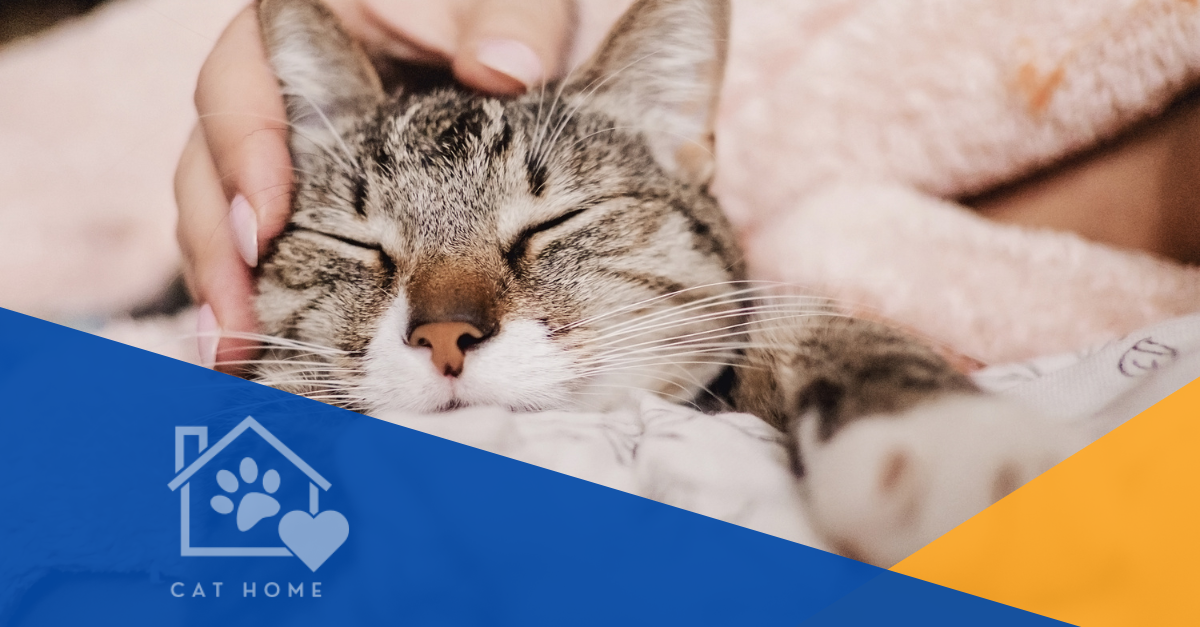
Cat Purring Effects on Humans
By Salwati Samzaman
Mon, Aug 14, 2023
Cats and humans have lived side by side for a very long time. Despite all the labor that goes into keeping cats in our homes, we can all agree that they add more than they subtract. Scientists assert that keeping a cat as a pet might even be healthy. People who own cats are less likely to die of a heart attack, according to studies. It has long been thought that owning a pet is good for one's health. Stress reduction and the encouragement of a healthy lifestyle are two frequently cited advantages of pet ownership. But there is scientific support for the claim that cats' purring can be especially advantageous to their owners.
There are numerous stories of cat owners who were hurt or ill and were made to feel better, and occasionally even healed, by their cat's purr. Research into the origins of the cat's purr has supported these intriguing myths over the years, even though this may sound like the storyline of your favorite Disney movie or the ranting of a besotted owner. The frequency of a cat's purr functions similarly to high-impact exercise, according to a study. The frequency of a cat's purr is 26 Hertz. This frequency is the same as the vibrational therapy experts employ to promote tissue regeneration.
The bones and muscles in the body strengthen themselves and build muscle when they are exposed to high-intensity pressure and strength training exercises. The same healing and reinforcing are produced by vibrational therapy but without the high-intensity, high-impact activity. So, in theory, a cat's purr could promote healing.
How Can Purrs Help in Human Healing?
The power of sound has been employed by healers for ages. It is believed that certain tones or sound frequencies might have a range of therapeutic advantages on the body. Humans may find cat purring to be tranquil and soothing, and there are several possible explanations for this.
The frequency range that has been found to have a beneficial effect on the human body is between 25 and 150 Hertz, which is in the range that a cat's purr falls into. Low-frequency vibrations have been shown in studies to increase bone density, encourage the repair of soft tissues, and even lessen pain.
The act of petting a purring cat can also have a relaxing impact on a person's body. It has been demonstrated that petting a cat can lower levels of the stress hormone cortisol and raise levels of the hormone oxytocin, which encourages relaxation and a feeling of well-being.
Third, based on clinical studies of cats with upper respiratory disorders, purring tends to encourage easier breathing in cats who are suffering dyspnea, or difficulty breathing. In reality, compared to dogs and humans, cats don't experience respiratory distress associated with heart disease nearly as often. If a purring cat is present, a person with respiratory issues might be able to breathe more easily.
Last but not least, having a cat at home can also improve a person's mental health. According to studies, having a cat can bring company and purpose, as well as lessen feelings of loneliness and despair.
Overall, the presence of a cat in the home, the act of caressing the cat, and the low-frequency vibrations of the cat's purr can all have a positive impact on human health and well-being.