
About 50,000 cats are living on the streets in Singapore

Please refer href these guide on how href register your cat.
Understanding Cat Behavior: How to Communicate with Your Feline Friend
By Salwati Samzaman
Mon, Jun 19, 2023
Have you ever questioned your cat's thoughts? Because cats naturally wear poker faces, it might be challenging to interpret them. Even though cats don't express their emotions through facial expressions, you can still understand what they are saying when they do.
Cats are enigmatic animals that have been tamed for a very long time. They interact with their human counterparts in ways that are uniquely their own. Their body language, vocalizations, and movements may tell us a lot about their feelings, wants, and desires, even if they cannot communicate with us in a language we can comprehend. Understanding your cat's behaviour is essential for a long-lasting, fulfilling relationship with your furry pet. So, let's explore the realm of feline behaviour and discover the hidden meanings behind your cat's signals.
According to Veterinary Geneticist and Senior Manager of Global Scientific Advocacy Relations at Mars Petcare, Angela Hughes, DVM, Ph.D., "Body language is the cat's primary method of communication, even more so than meowing." "One excellent method to deepen your relationship with your cat is to learn to understand what it is saying. It makes it easier for you to comprehend and meet your cat's requirements and wishes.
Understanding Your Cat's Signs
Cats primarily express themselves by the placement of their tails, body, ears, and eyes. How to understand what your cat is saying, according to your cat:
Slow Blinks
Cats occasionally demonstrate their happiness and relaxation by gradually dropping their eyelids. A leisurely blink conveys the message, "I'm cool. You're relaxed. We're all relaxed. According to new research, cats are more inclined to approach someone who gives them a slow blink. Try it out, then!
Back Rolls
Kittens who flip over on their backs appear to be particularly at ease. "A cat may exhibit a lot of vulnerability on its stomach. For cats to show their bellies, they must feel secure and at ease, says Hughes. Your cat will feel safe with you if you notice a flash of the stomach.
Kneading and purring
Sometimes cats may perform massages on you while purring and massaging your body with their paws. This is the primary method cats express their affection. Usually, when your cat purrs, it is their way of saying how satisfied and joyful they are. However, if your cat purrs at unexpected times, it can be a sign of stress in the cat. In some situations, cats may purr, knead, or suck on something to self-soothe.
Nibbling or Licking
Your cat may lick or nibble you if they view you as a prized possession. Your cat is letting you know that they consider you a significant member of his social group.
Upright and vibrating tail
When you bring out his favourite treats when you arrive home from work, have you ever seen your cat's upright tail vibrating? That indicates your cat is happy.
Head butts
In the human world, head-butting expresses rage. But with cats, it's the exact reverse. It's simply one more way cats say their devotion. A head butt to the face or legs is intended to elicit your love and attention.
Swinging the tailback and forth
A swishing tail often denotes dread. However, it may also be a fun gesture indicating that your dog is curious about something. Consider the circumstances to determine what your cat is trying to tell you.
Chatter
Chattering is when your cat emits brief bursts of sound, generally when watching birds or other prey. It's adorable. According to Hughes, it denotes your cat is amused.
Back with Ears Down
Flattening a cat's ears against the head is typically a symptom of fear. However, other circumstances could indicate that your cat is preparing to pounce during play.
Chirping
Mama cats utilize chirps, a short, rolling meow that more closely resembles a (rowr), to summon their young. The Humane Society states that if your cat chirps at you, they want you to follow them (perhaps to the food dish or the door).
Hissing
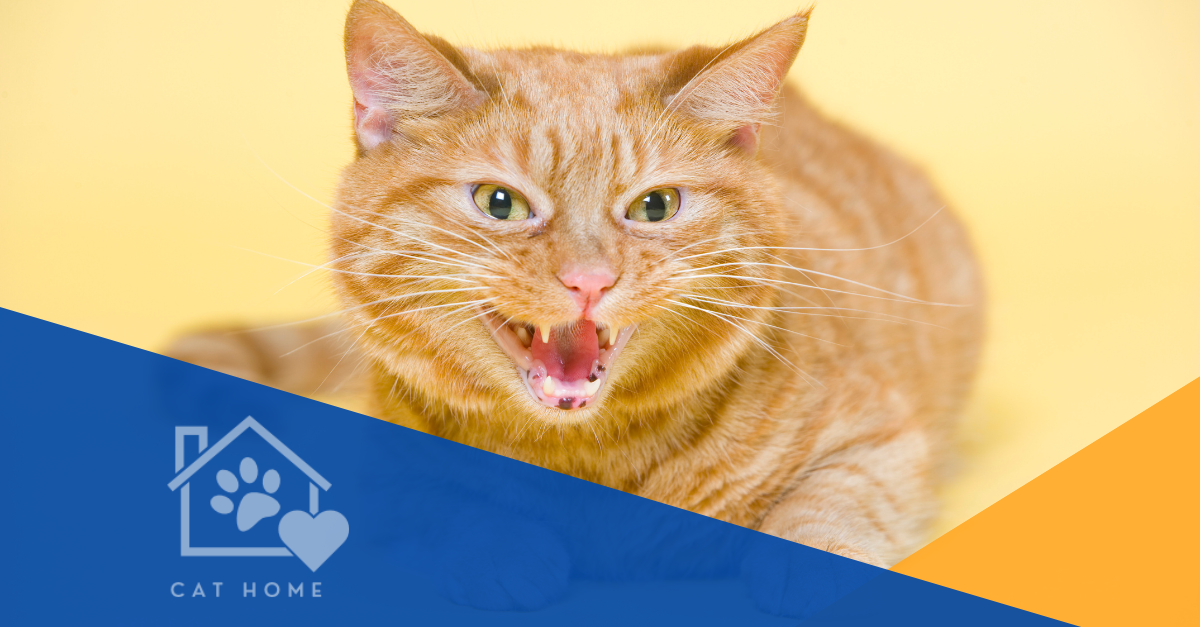
Hissing is never a welcoming action. According to Hughes, it's virtually always an indication that your cat is scared or overstimulated. If your cat is hissing, give him some room or a secure location where he may spend some time alone.
Conclusion
Although the indications are generally accurate, Hughes warns that cats are people and may not always abide by them. "Pay attention to your cat's likes and dislikes and his typical reactions. That will help you understand how your cat is speaking in various contexts.