
About 50,000 cats are living on the streets in Singapore

Please refer href these guide on how href register your cat.
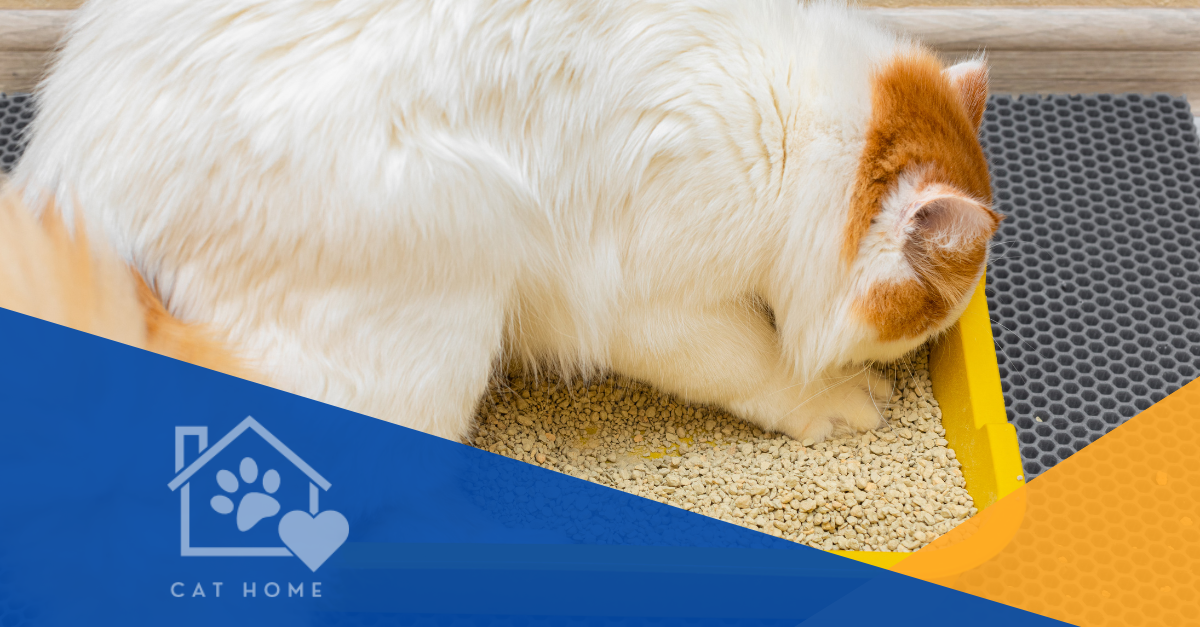
Why Is My Cat Eating Litter?
By Salwati Samzaman
Mon, Jul 20, 2026
You walk past the litter tray and notice something strange. Your cat is not just digging, sniffing, or covering their business. They are actually licking or eating litter. Suddenly, a normal part of cat care feels worrying.
Why Is My Cat Eating Litter? is a question many cat lovers may feel embarrassed to ask, but it is important. Eating cat litter is not something to ignore, especially if it happens more than once.
It Could Be Curiosity
Kittens are naturally curious. They explore the world with their paws, noses, and sometimes their mouths. This kitten behaviour may happen simply because the litter is new, strange, or interesting.
However, this does not mean it is safe. Some litters can clump, swell, or upset the stomach if swallowed. If you have a kitten, choose a safer non-clumping litter option and watch them closely during litter training.
It May Be Pica
Pica in cats is when a cat eats things that are not food. This may include plastic, fabric, paper, soil, or litter. Some cats nibble. Others swallow pieces.
If your cat keeps eating litter, it may be a sign that something deeper is happening. Pica can be linked to cat stress, cat anxiety, boredom, or health problems. That is why it is better to treat the behaviour as a warning sign, not just a weird habit.
Your Cat Might Feel Unwell
Sometimes, a cat may eat litter because their body is trying to tell you something. Some sources link litter eating with problems such as anaemia, mineral imbalance, kidney disease, or other cat health concerns. You do not need to diagnose this at home. You simply need to notice the pattern. If your cat is also tired, losing weight, eating less, drinking more, vomiting, or acting different, book a vet visit as soon as possible. This is one of the most important parts of Why Is My Cat Eating Litter? because unusual eating habits can sometimes point to a medical issue.
Stress Can Change Behaviour
Cats are sensitive to changes around the house. A new pet, new baby, loud noise, moving furniture, or changing their litter type can make them feel unsettled. Some cats respond by hiding. Some overgroom. Others may chew or eat unusual things. If your cat recently started eating litter, think about what has changed at home. A calmer environment, more hiding spaces, daily playtime, and a steady routine can help reduce cat stress.
Boredom May Play a Role
Cats need mental and physical activity. If a cat spends long hours alone with little stimulation, cat boredom may lead them to explore things they should not eat.
Try adding simple enrichment, such as puzzle feeders, feather toys, cardboard boxes, window watching spots, and short play sessions. A busy cat is less likely to look for entertainment in the litter tray.
What Should You Do?
First, remove access to the litter if your cat is actively eating it, but make sure they still have a safe toilet option. You may need to change to non-clumping litter while you contact your vet.
Second, do not punish your cat. They are not being naughty. They may be curious, stressed, bored, or unwell.
Third, call your vet, especially if the behaviour is sudden, repeated, or paired with other symptoms. Bring the litter packaging if needed, so the vet knows what your cat may have swallowed and can give proper veterinary advice.
A Small Habit Can Be a Big Clue
Why Is My Cat Eating Litter? reminds us that cats often communicate through small changes. A strange habit may be their quiet way of saying, “Something does not feel right.”
With quick attention, gentle care, and proper veterinary advice, you can help keep your cat safe, comfortable, and back to healthier habits.