
About 50,000 cats are living on the streets in Singapore

Please refer href these guide on how href register your cat.
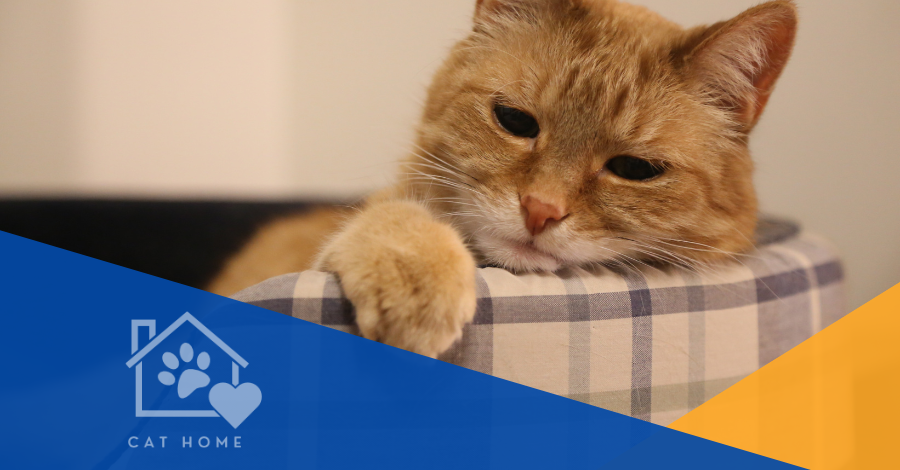
6 Signs Your Cat is Bored and How to Help
By Salwati Samzaman
Mon, Sep 2, 2024
Cats may seem independent, but they still need things to do to stay happy and healthy. When a cat doesn’t have enough to keep them busy, boredom can set in, affecting both their behaviour and health. Recognising the signs of boredom early is important so you can help your cat stay active and content. Here are six common signs that your cat might be bored, along with simple ways to help.
How Boredom Affects Cats
Boredom can have a big impact on a cat’s well-being. When cats don’t have enough to do, they might start showing behaviour problems like being aggressive or meowing too much. Health problems can also develop, such as weight gain or skin issues. Keeping your cat engaged is essential for their happiness and health.
6 Signs Your Cat is Bored
Excessive Scratching
If your cat is scratching furniture, walls, or carpets more than usual, they might be bored. Scratching too much is often how cats release energy or frustration.
How to Help: Give your cat a variety of scratching posts with different textures. Place these posts where your cat usually scratches. Regular play sessions with toys like feather wands or laser pointers can also help burn off their extra energy.
Over-Grooming
Cats like to keep clean, but if your cat is licking or grooming themselves too much, it might be a sign of boredom. Over-grooming can cause bald spots or skin irritations.
How to Help: Introduce new toys or activities that challenge your cat to think and move. Puzzle feeders or treat-dispensing toys can keep them busy. Changing their toys regularly can also help keep them interested.
Persistent Meowing
If your cat suddenly starts meowing a lot more or louder, they might be trying to get your attention because they’re bored. Changes in their usual meowing can mean they’re restless or need something to do.
How to Help: Spend more time playing with your cat. Simple things like talking to them or setting up a perch near a window so they can watch outside can make a big difference. You can also try playing music made for cats to help keep them calm.
Changes in Eating Habits
Boredom can cause your cat to eat differently. Some cats might lose interest in food, while others might eat too much. Both of these can lead to health problems like being too skinny or too heavy.
How to Help: Make mealtime more fun by using puzzle feeders or hiding treats around the house for your cat to find. This gives them something to do and uses their natural hunting skills. Keep an eye on how much your cat eats and talk to a vet if you notice big changes.
Increased Sleeping
Cats love to sleep, but if your cat is sleeping even more than usual and isn’t interested in playing or exploring, they could be bored. Sleeping too much might be their way of escaping boredom.
How to Help: Encourage your cat to be more active by introducing new toys or activities that they find exciting. Toys that mimic prey or involve climbing can get your cat moving. Create different levels in your home for them to explore, which can help reduce the extra sleeping.
Aggression or Irritability
Sometimes, boredom can make cats more aggressive or irritable. If your cat starts swatting, biting, or hissing more than usual, it could be because they’re frustrated and need more to do.
How to Help: Give your cat more things to do with interactive toys like laser pointers or toys that move. Ensure your cat has places where they can go to be alone when they need it, which can help them feel less irritable.
Conclusion
Keeping your cat busy is really important for their overall well-being. Noticing the signs of boredom early, such as scratching too much, over-grooming, constant meowing, changes in eating, sleeping more, and being aggressive, can help you improve your cat’s life. Offering a variety of toys, regular playtime, and a fun environment helps your cat stay happy, healthy, and interested in their surroundings. A little effort can make a big difference in keeping your cat content and thriving.