
About 50,000 cats are living on the streets in Singapore

Please refer href these guide on how href register your cat.
Why Cats Guard Their Food Bowls Even When Not Eating
By Salwati Samzaman
Mon, Mar 30, 2026
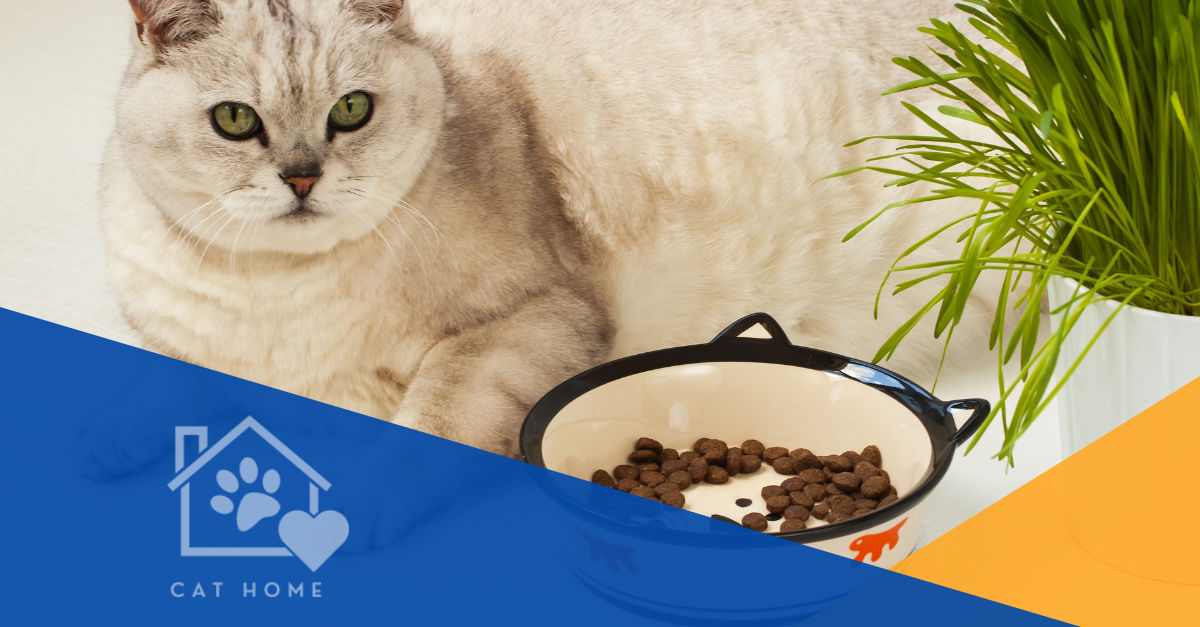
A cat sitting near the food bowl can look harmless. Then a second cat walks closer, and the first cat blocks the bowl, stares, growls, or swats. Sometimes the “guarding cat” is not even eating. This behaviour is common, especially in multi-cat homes, and it usually has a clear reason. This guide, Why Cats Guard Their Food Bowls Even When Not Eating, explains what is happening, what triggers it, and what cat lovers can do to reduce tension at mealtimes.
1) Food is a valuable resource, even for indoor cats
In the wild, food is not guaranteed. Many animals protect things that matter for survival, like food and safe spaces. That instinct can still show up in pets, even when meals arrive on schedule. Resource guarding is a normal behaviour pattern in animals, especially when they feel a resource could be taken away.
For cats, guarding may look like “owning” the bowl, the feeding area, or the path to the bowl.
2) Cats prefer to eat alone, not in a crowd
Cats are solitary hunters and often choose to eat separately. In a home, cats may tolerate shared routines, but close feeding stations can create stress. When cats feel pressured around food, one cat may start blocking others to control access.
That explains a big part of Why Cats Guard Their Food Bowls Even When Not Eating. The cat is not guarding the food only. The cat is guarding the space and control around food.
3) Guarding can be a response to competition or bullying
In multi-cat homes, guarding often starts after a few tense meals. One cat may eat faster, steal from another bowl, stare, or chase. Over time, the more insecure cat may “camp” near food to prevent surprises. Some cats will even sit there to block, not to eat. This is especially common if the feeding area is narrow or has only one exit.
4) Stress, anxiety, or pain can make it worse
If guarding suddenly appears, something may have changed. Stress in the home, routine changes, or underlying pain can affect behaviour. Cat welfare guidance notes that behaviour changes can be linked to medical causes, and checking with a vet is important when aggression or guarding increases.
5) Past experiences can shape food behaviour
Cats that lived in shelters, outdoor situations, or unstable feeding environments may learn that food can disappear fast. Even in a safe home, the old survival pattern can remain. The result is a cat that guards “just in case.”
How to help in a simple, cat-friendly way
The goal is to reduce competition and help each cat feel safe.
Try these practical steps:
- Separate feeding stations in different rooms or far apart, with clear escape routes.
- Use multiple resources across the home, not only food bowls. Add extra water bowls, beds, and litter areas to reduce overall tension.
- Feed on a routine and keep mealtimes calm. Predictability lowers stress.
- Add vertical space like cat trees or shelves, which helps cats avoid each other and feel safer.
- Do not punish guarding. Punishment often increases fear and makes guarding stronger.
Why Cats Guard Their Food Bowls Even When Not Eating often comes down to one message from the cat: “I want to feel secure.” With better setup and less competition, many cats relax and stop guarding over time. Why Cats Guard Their Food Bowls Even When Not Eating can improve quickly with small changes, especially when feeding spaces are separated and each cat gets a clear, safe routine.