
About 50,000 cats are living on the streets in Singapore

Please refer href these guide on how href register your cat.
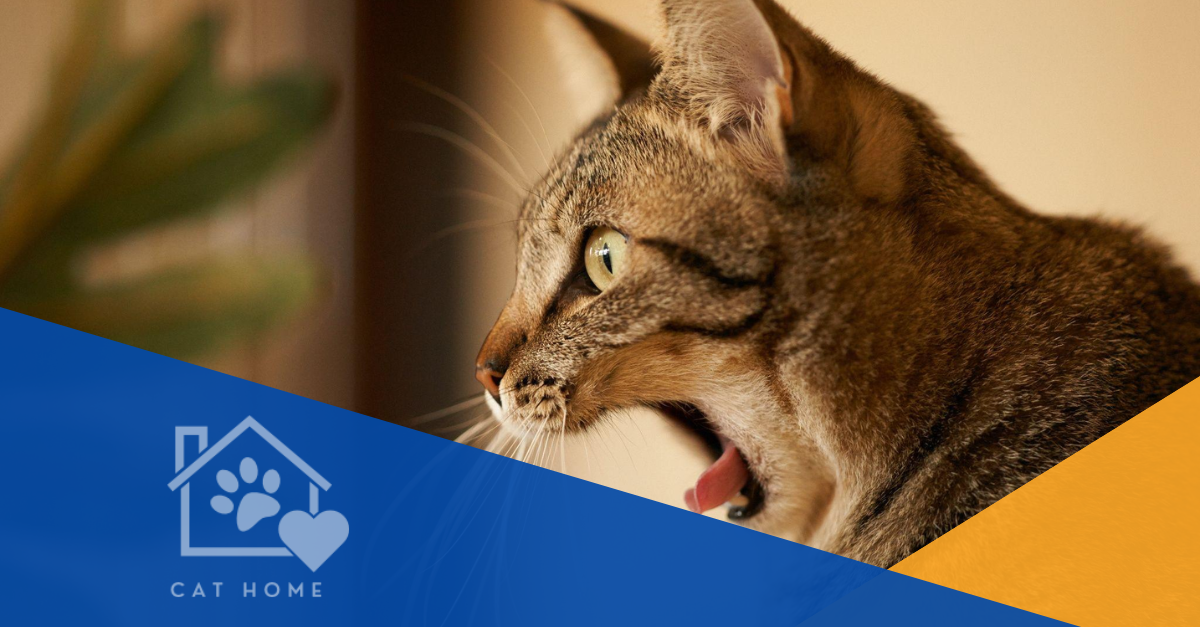
Why Cats Chirp at Humans
By Nadya Aisy
Mon, Sep 21, 2026
You walk into the room and your cat looks up at you. Instead of giving you a normal meow, they make a short little “brrp” or “chirrup” sound. It almost sounds like they are trying to say hello. For many cat owners, this is one of the cutest sounds their cat makes. But Why Cats Chirp at Humans is not always about one single message. Chirping can be connected to greeting, excitement, attention, or simply the way your cat has learned to communicate with you.
Chirping Can Be a Friendly Greeting
Cats use many different sounds to communicate, and chirping is often softer and shorter than a normal meow. Some cats make this sound when their owner enters the room, wakes up, or comes home after being away. In this situation, the chirp may simply be part of your cat's cat communication style. Cats can learn which sounds get a response from their humans, and they may repeat those sounds when they want interaction. If your cat chirps while walking towards you with relaxed ears, an upright tail, or gentle body language, it is usually a positive sign.
Your Cat May Want Your Attention
Sometimes a chirp is less about saying hello and more about saying, “Come here.” Your cat might chirp before walking towards their food bowl, favourite toy, or a door they want opened. Some cats even look back at their owner after chirping, almost as if they are checking whether you are following. This type of cat behaviour can be easy to recognise once you start watching what happens immediately after the sound. For example, if your cat chirps and then walks towards the kitchen every morning, they may have learned that this particular sound helps remind you about breakfast.
Chirping Is Also Connected to Excitement
You may have heard your cat make similar sounds while watching birds through a window. Cats commonly chirp, chatter, or make short excited noises when they see prey they cannot reach. Veterinary behaviour guidance describes chirping around birds or squirrels as a normal response linked with excitement and hunting behaviour.
That excitement can sometimes appear during interactions with people too. A playful cat may chirp when you pick up a favourite toy or begin a game. This is why the meaning depends heavily on the situation rather than the sound alone.
Look at Body Language Too
Understanding Why Cats Chirp at Humans becomes much easier when you watch the rest of your cat. A relaxed cat may chirp with their tail upright, eyes soft, and body moving towards you. A playful cat might chirp while running around or preparing to chase a toy. Cats use sound together with posture, tail movement, facial expressions, and other signals. Veterinary behaviour experts also recommend considering body language and context when interpreting cat sounds, because the same vocalisation can mean different things in different situations. Over time, you may even begin to recognise your own cat's different versions of a chirp.
When Should You Pay More Attention?
Occasional chirping is usually nothing to worry about, especially if it is normal for your cat. What matters more is a sudden change. If your normally quiet cat suddenly becomes very vocal, or their chirping is accompanied by hiding, reduced appetite, unusual behaviour, pain, or restlessness, it is worth speaking with a veterinarian. Changes in vocalisation can sometimes happen when a cat is stressed, uncomfortable, or unwell.
Ultimately, Why Cats Chirp at Humans is often about communication. Your cat may be greeting you, asking for something, showing excitement, or simply using a sound that has worked well in the past. So the next time you hear that tiny “brrp,” look at what your cat does next. They may be telling you much more than you realise.