
About 50,000 cats are living on the streets in Singapore

Please refer href these guide on how href register your cat.
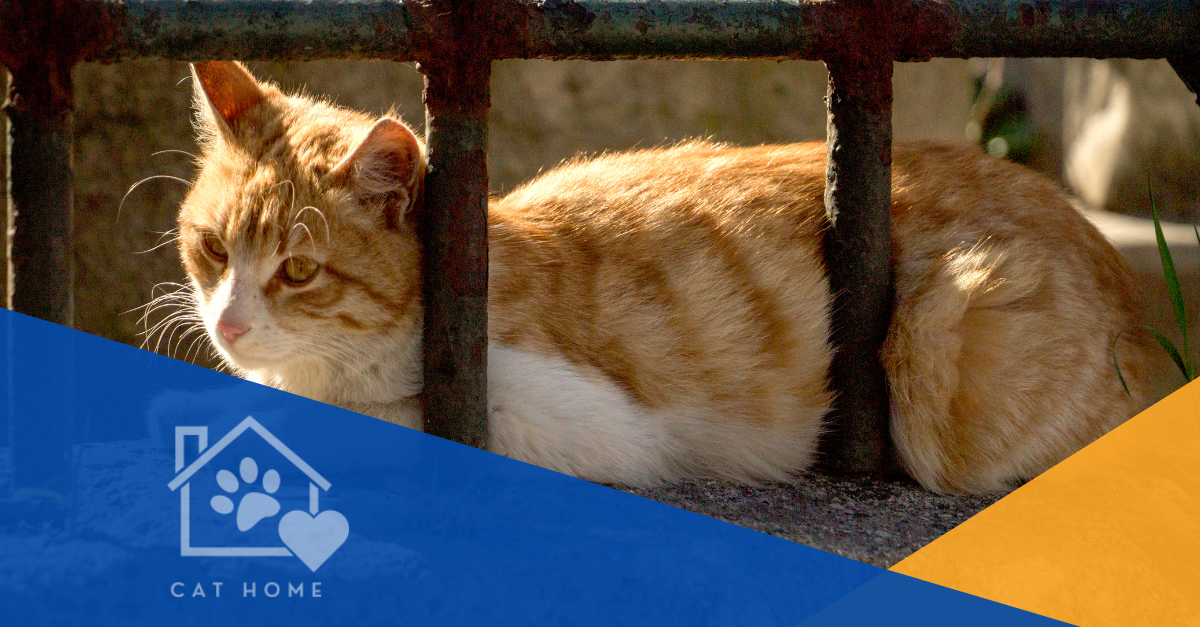
How to Read Your Cat’s Behaviour at Home
By Salwati Samzaman
Mon, Apr 27, 2026
You’re sitting quietly, and suddenly your cat is staring at you like they know something you don’t. Then, without warning, they walk away like nothing happened. Confusing? A little. But not random. Cats are always communicating, just not in ways we expect. That’s why How to Read Your Cat’s Behaviour at Home matters more than you think. Once you start understanding their signals, everyday moments with your cat begin to make a lot more sense, especially when you pay attention to their cat habits.
Your cat is always trying to tell you something
Here’s something most pawrents don’t realise at first. Your cat is never truly being random. The way they enter a room, where they choose to sit, or even how long they stay near you all mean something. Cats rely on behaviour, not words, to express how they feel. When you start noticing these patterns, you’ll slowly understand your cat’s cat emotions and what they are trying to communicate.
The body speaks before the voice
Before your cat meows, their body has already told you everything. A relaxed cat usually looks soft, blinks slowly, and moves gently. That’s a sign they feel safe. But when their tail starts flicking quickly, their body stiffens, or their ears turn slightly back, something has changed. These are natural cat reactions that show your cat may be uncomfortable or overwhelmed.
The quiet changes matter the most
Sometimes, it’s not the obvious behaviours that matter, but the small ones. Your cat choosing a different sleeping spot, sitting further away than usual, or not jumping up like they normally do can all be important signals. These subtle changes are often early cat stress signs, especially if they happen repeatedly over time.
Every sound has its own meaning
Not every meow is the same, even if it sounds similar at first. A short, soft meow feels different from a long, repeated one, and a gentle purr feels different from a restless one. Over time, you’ll begin to recognise your cat’s unique way of expressing themselves through different cat mood changes.
Understanding builds a stronger bond
Something shifts when you start understanding your cat’s behaviour. You stop guessing and start recognising what they need. You know when they want attention and when they prefer space. This builds a better relationship and helps you respond with simple pet behaviour tips that make your cat feel safe and understood.
It gets easier with time
You don’t need to understand everything right away. Just start by observing and staying curious. Your cat isn’t trying to confuse you, they just communicate differently. And once you learn How to Read Your Cat’s Behaviour at Home, you’ll realise they’ve been “talking” to you the whole time through their daily cat routine.