
About 50,000 cats are living on the streets in Singapore

Please refer href these guide on how href register your cat.
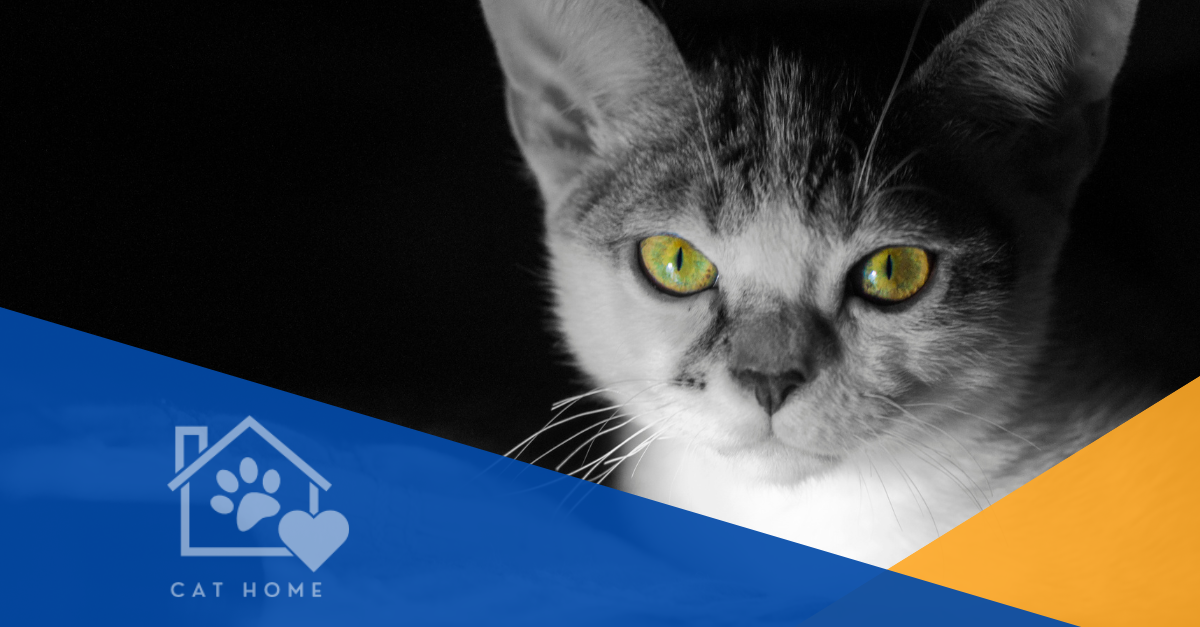
Scratching Your Head: Why Do Cats Avoid You?
By Salwati Samzaman
Sun, Mar 31, 2024
Have you ever felt like your cat is giving you the cold shoulder? You extend your hand for a cuddle, but they bat it away. You call their name, but they simply ignore you. Understanding your cat's aloof behaviour can be frustrating but fear not! There are several reasons why your feline friend might be keeping their distance.
Independent Spirits
First and foremost, cats are naturally independent creatures. Unlike dogs, who have been bred for companionship over thousands of years, cats haven't undergone such a drastic domestication process. They are descended from solitary hunters, and that instinct for self-reliance still shines through today. Many cat owners observe that their feline companions enjoy spending time alone. This doesn't mean your cat doesn't love you; it just means they need their own space to relax and recharge.
Fear and stress!
Sometimes, a cat's avoidance can be a sign of something more concerning. Why do cats avoid you? If your usually cuddly companion is suddenly shunning your affection, it could be due to fear or stress. Loud noises, new pets in the house, or even a change in your routine can all be unsettling for a cat. Cats are creatures of habit, and disruptions to their normal environment can trigger an avoidance response.
Not feeling well
Just like us, cats don't always feel their best. Why do cats avoid you? If your cat is sick or injured, they might withdraw and become more reclusive than usual. This could be their way of conserving energy or avoiding further discomfort. If your cat's avoidance is accompanied by other symptoms like lethargy, loss of appetite, or vomiting, it's important to schedule a visit to the vet.
Understanding Your Cat
The key to a happy relationship with your cat is understanding their communication style. Cats don't meow at each other after they become adults, so they rely on body language and subtle cues to express themselves. If your cat avoids eye contact, flattens their ears, or swishes their tail, it's best to give them some space. On the other hand, a slow blink or a gentle head nudge is a sign of affection.
Conclusion
Understanding your cat's behaviour is key to building a strong bond. recognising their natural tendencies and observing their cues, you can create a harmonious environment where both of you feel comfortable and content. Respecting their independence allows them to feel safe and secure, ultimately leading to a happier feline friend. After all, a cat who feels free to be themselves is a cat who will thrive. So next time your cat seems aloof, offer them space and wait for their invitation to interact. Their affection may come on their own terms, but the reward will be well worth it.