
About 50,000 cats are living on the streets in Singapore

Please refer href these guide on how href register your cat.
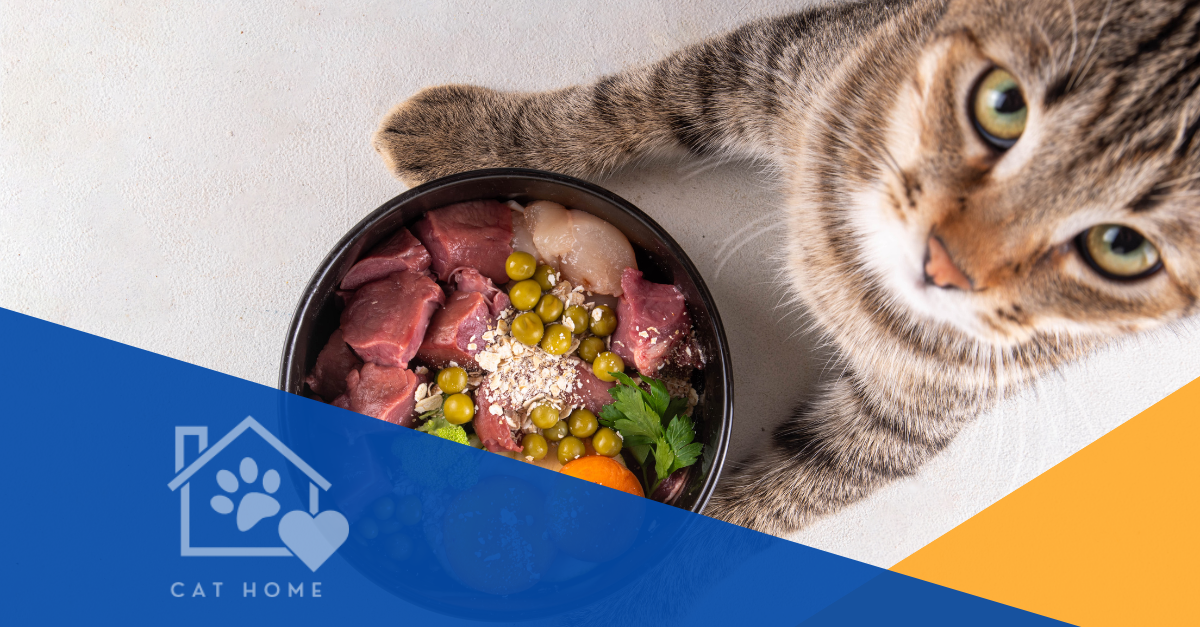
Managing Food Allergies Without Expensive Diets
By Nadya Aisy
Mon, Oct 12, 2026
When your cat keeps scratching, licking their skin, or having tummy problems, it is easy to wonder whether their food is responsible. Then comes another worry: does helping them mean buying the most expensive food on the shelf?
Not necessarily.
Managing Food Allergies Without Expensive Diets is often less about finding a premium label and more about identifying what your cat actually reacts to. With veterinary guidance, careful food choices, and a little patience, you can make the process more manageable.
First, Make Sure Food Is Really the Problem
Itchy skin does not automatically mean your cat has a food allergy. Fleas, environmental allergies, infections, and other health problems can cause similar symptoms.
According to the Merck Veterinary Manual, food allergies in cats can cause itching and skin problems, while some cats may also experience digestive signs such as vomiting or diarrhoea.
That is why changing foods repeatedly without knowing the cause can become expensive without solving the real problem.
Focus on Ingredients, Not Fancy Packaging
When Managing Food Allergies Without Expensive Diets, start by paying attention to what is actually inside your cat's food. Food allergies are usually reactions to specific ingredients, often proteins. Your vet may recommend an elimination diet using a protein your cat has not eaten before or a specially formulated hydrolysed diet.
During this period, consistency matters. Treats, table scraps, flavoured supplements, and food from another pet's bowl can interfere with the process. Instead of buying several different foods at once, follow one clear plan and monitor the results.
Keep a Simple Food Diary
You do not need a complicated spreadsheet. A notebook or phone note can help you track:
- What your cat eats
- Any treats or supplements
- Scratching or excessive licking
- Vomiting or diarrhoea
- Changes in their skin or coat
This simple symptom tracking can make it easier to notice patterns and give your veterinarian useful information. Remember that improvements may not happen overnight. VCA Animal Hospitals notes that elimination diet trials generally need to be followed carefully for several weeks to properly evaluate a possible food allergy.
Avoid Cutting Costs in the Wrong Places
Saving money does not mean choosing nutritionally incomplete food or creating a homemade diet without professional guidance. Cats have specific nutritional requirements. Cornell University's College of Veterinary Medicine explains that cats are obligate carnivores and require certain nutrients from their diet to stay healthy.
If you are considering homemade food because commercial allergy diets seem expensive, speak with a veterinarian or veterinary nutritionist first. A cheaper diet is not helpful if it creates nutritional deficiencies later.
Spend Smarter, Not Necessarily More
Managing Food Allergies Without Expensive Diets starts with understanding your cat rather than automatically buying the most expensive option. Work with your vet to identify possible triggers, compare suitable foods based on ingredients and nutritional completeness, avoid unnecessary extras during a diet trial, and keep track of symptoms.
The goal is not to find the fanciest bag of cat food. It is to find a safe, balanced diet that works for your individual cat.