
About 50,000 cats are living on the streets in Singapore

Please refer href these guide on how href register your cat.
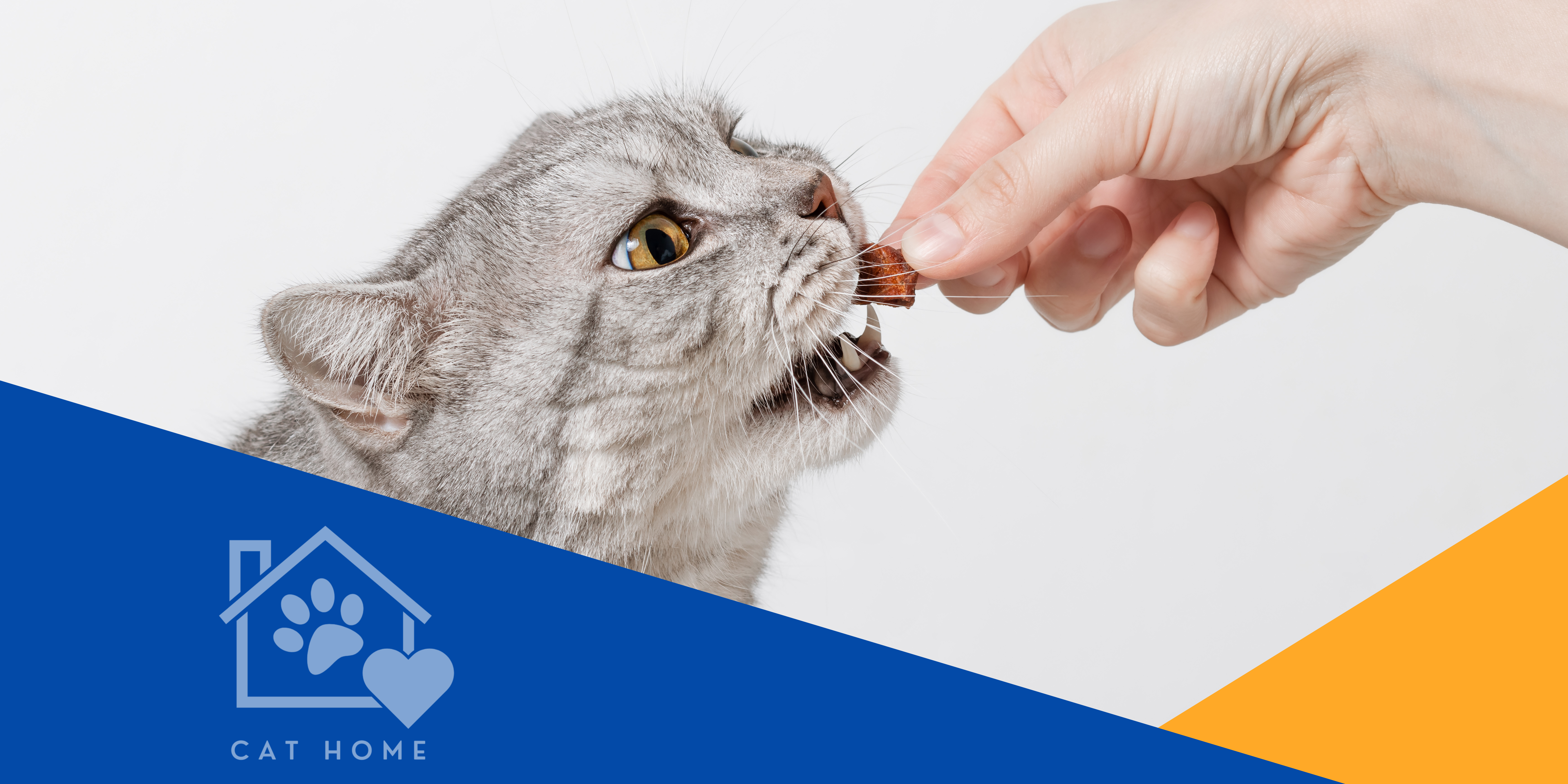
Lost Appetite in Cats: 5 Tips to deal cat doesn't eat
By Salwati Samzaman
Fri, Aug 2, 2024
A cat losing its appetite can be a source of worry for pet parents. Perhaps some cats are just picky eaters, while other cats may have health issues affect to their appetite. If you have a cat who refuses to eat, then keep reading because in this post we’ll explore 5 tips for dealing with a cat that doesn't want to eat.
When Cat Loses Appetite
Cats may refuse to eat if they are ill. Their appetite may be impacted by illnesses such as infections, gastrointestinal issues, or dental problems. If your cat's inappetence persists for more than a day, it's crucial to consult your veterinarian for a proper diagnosis and treatment plan.
Stress, anxiety or depression can have a big effect on a cat's eating patterns. Recognise and reduce sources of stress in your house. This could be additions to the family, new pets, or adjustments to everyday schedules.
How To Stimulate Appetite In Cats:
- Try Different Flavours : Cats can be picky eaters. To test if a different taste tempts them, try offering a range of flavours. The scent of wet food often smells stronger than a dry kibble, making it tempting to eat.
- Texture Matters : Some cats favour certain textures. Try different textures such as pate, pieces in gravy, or shredded to see what your cat likes best.
- Feeding Environment : Set up a calm, stress-free eating environment. Because of their sensitivity to activity and noise, cats may become less likely to eat. Make sure your cat feels safe when it comes time for meals if you have more than one pet. Dominant pets usually frighten others, affecting their appetite.
- Routine is Crucial : Keep a consistent feeding schedule. Cats thrive on routine, and having regular mealtimes can help stimulate their appetite.
- Nutritional Supplements : If your cat persistently refuses to eat, your vet may offer appetite stimulants. These medications have the ability to stimulate the hunger response.
Final Thoughts
Dealing with a cat that doesn't want to eat involves identifying the underlying causes, such as illness or stress, and taking steps to address them. Offering a variety of flavours and textures, creating a calm feeding environment, maintaining a consistent routine, and considering nutritional supplements are all effective strategies to encourage your cat to eat.
For more insights on feline health and behaviour, check out our articles on "Understanding Cat Behaviour: How to Communicate with Your Feline Friend" and "How to handle stress cats?" These resources provide additional tips and information to help you care for your furry friend.