
About 50,000 cats are living on the streets in Singapore

Please refer href these guide on how href register your cat.
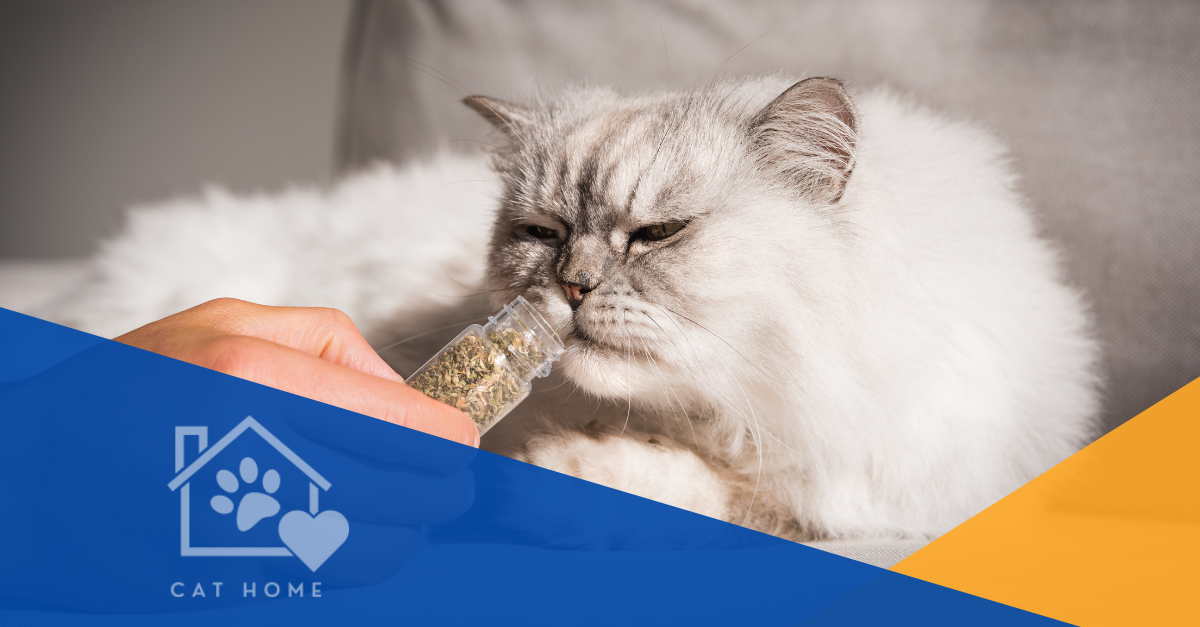
Is Catnip Safe? Exploring the Feline High Craze
By Salwati Samzaman
Mon, Oct 23, 2023
Catnip, the aromatic herb that induces euphoric reactions in cats, has long been a topic of curiosity among pet owners. For some, it's a go-to treat for their feline friends, while others approach it cautiously, concerned about potential risks. So, is catnip safe for your cat? Let's delve into the world of this feline stimulant and explore the safety aspects associated with it.
The Catnip Experience - A Brief Overview.
Catnip, scientifically known as Nepeta cataria, contains a compound called nepetalactone that triggers a response in cats' brains. When cats meet catnip, whether by sniffing, licking, or chewing, it can lead to behaviours like rolling, purring, and hyperactive playfulness. This unique reaction has made catnip a popular choice for cat toys and treats.
Catnip Sensitivity - Not All Cats React the Same.
It's important to note that not all cats are affected by catnip. Sensitivity to catnip is hereditary, with approximately 50-70% of cats exhibiting a response. Kittens and older cats tend to be less affected, and individual reactions can vary widely. While some cats may become hyperactive, others may become more relaxed or sedated.
Safe Play Guidelines.
When introducing catnip to your feline companion, moderation is key. Catnip in small doses is generally safe for most cats. It's advisable to use catnip-infused toys or dried catnip leaves in controlled environments. Always observe your cat's behavior and discontinue use if you notice any signs of distress, aggression, or discomfort.
Health Benefits.
Beyond the playful antics, catnip can serve as a stress reliever for some cats. It can be particularly useful in easing anxiety during vet visits or when introducing a new pet into the household. However, always consult your veterinarian before using catnip for medicinal purposes, especially if your cat has underlying health conditions.
Catnip Alternatives - Exploring Safe Options.
If your cat doesn't respond to catnip or if you're concerned about its effects, there are alternative herbs like valerian root, silver vine, or honeysuckle that can provide similar reactions. These alternatives can be used in cat toys and are often well-received by cats who don't react to catnip.
Monitoring Your Cat's Behavior.
While catnip is generally safe, it's essential to monitor your cat's behavior, especially during the first few interactions. Some cats can become overly stimulated, leading to aggressive play or irritability. If you notice any adverse reactions, it's best to limit or discontinue catnip use.
In conclusion, catnip can be a delightful and safe addition to your cat's playtime routine. By understanding your cat's sensitivity, introducing catnip in moderation, and being aware of alternative options, you can ensure a positive and enjoyable experience for your feline friend. Remember, every cat is unique, so pay attention to their individual preferences and reactions to create a safe and enjoyable environment.