
About 50,000 cats are living on the streets in Singapore

Please refer href these guide on how href register your cat.
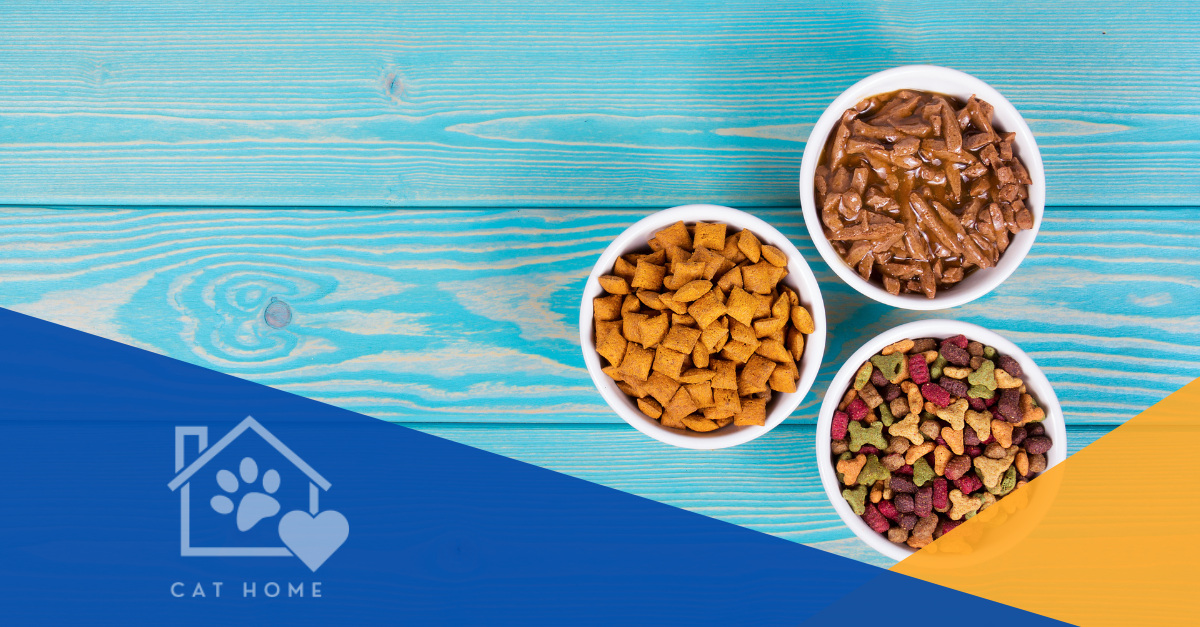
Choosing the Right Cat Food: A Guide to Different Types and Brands
By Salwati Samzaman
Mon, Jul 10, 2023
Choosing the Right Cat Food: A Guide to Different Types and Brands
It might not be easy to choose cat food. More brands and varieties of cat food are available than ever before. Selecting the finest brand for your cat may seem nearly complicated with so many options. What qualities should cat food have? How can you be sure that the choice you make is healthy?
Here are a few good ingredients to seek out:
· A different kind of protein than flesh
· Ingredients with little starch
· List of ingredients
Cats' Basic Nutritional Needs
Cats are thought to be necessary carnivores. They cannot effectively synthesize the amino acid taurine from other nutrients, so they must consume animal protein for enough nourishment. Instead, they must obtain it from food. Since taurine can only be found in animal proteins1, feeding a cat a vegetarian diet is harmful. Dilated cardiomyopathy (DCM), a dangerous condition affecting the heart muscle, can be developed in cats on diets low in taurine.
Until researchers recognized the connection between taurine deficit and DCM in cats, DCM was one of the most often diagnosed acquired cardiac illnesses. However, a cat on a diet lacking in taurine is not just at risk for DCM. Additionally, they may experience reproductive problems and central retinal degeneration.
Cat food labeling
When choosing the right cat food, paying close attention to the cat food labelling is crucial. Look for a statement indicating the food meets the standards of the Association of American Feed Control Officials (AAFCO). This statement confirms that the food is nutritionally complete and balanced for cats of a specific life stage, such as kittens, adults, or seniors. Also, check the ingredient list to ensure the first few ingredients are high-quality protein sources, such as chicken or fish.
Avoid foods that list vague ingredients like "meat by-products" or "animal digest." It's also important to be aware of your cat's allergens and avoid foods containing those ingredients. Lastly, ensure the food is appropriate for your cat's age, weight, and activity level.
A word on ingredients
Many pet food manufacturers have turned to reading the ingredients in their marketing recently to reassure pet owners that their products are healthy. The weights of the ingredients in pet food are listed from most to least, with the first item mentioned having the highest weight. Because entire meats contain a lot of moisture, which increases weight, many pet feeds may mention a meat source as the first component.
While some businesses would advise you to avoid "meat meal," "chicken meal," etc., the phrase "meal" denotes that the meat has been completely dehydrated. As a result, it may be more protein-dense than the item from the whole source and may also include additional nutrients, such as glucosamine, that support better joint health.
While a food with chicken as the first component can seem like a healthy choice, if the following ingredients are more connected to starches and less to animal protein, it may be less nutrient-dense than a pet food with a variety of protein sources. Comparing the digestibility of meat meals and chicken meals, they are equivalent.
Pet food companies can also list a full source ingredient as different items. In place of "corn," the label can instead mention "corn meal," "corn gluten meal," etc. Pet food manufacturers do this because they may leave a protein supply whole rather than as a meal. Because components are stated by weight, "corn" as a complete ingredient could appear higher on the ingredient list than a pet food manufacturer would want. When an ingredient is divided up, the separate components (such as ground corn, corn meal, and flaked corn) might be included below on the ingredient list.
This is also the reason why a corn derivative or other starch may appear many times on the ingredient lists of some pet food products.
Raw Diets
In recent years, raw food diets have also grown in popularity. These can be purchased as freeze-dried raw diets, frozen raw diets, or even kibble that has a natural coating. The advantages of feeding animals raw are numerous. Unfortunately, science has not yet verified the benefits of consuming a raw diet. On the other hand, the raw diet has been associated with a risk of pathogenic bacterial illnesses.
Conclusion
It might be challenging to choose the correct diet for your cat. More than ever, there is an excess of cat food in terms of brand and kind. Selecting the healthiest diet might seem nearly impossible, but several characteristics can help you tell it apart from other, less nutritious diets. There are more stringent dietary requirements for some health conditions. Consider obtaining advice from veterinary specialists and looking for diets with an AAFCO declaration.