
About 50,000 cats are living on the streets in Singapore

Please refer href these guide on how href register your cat.
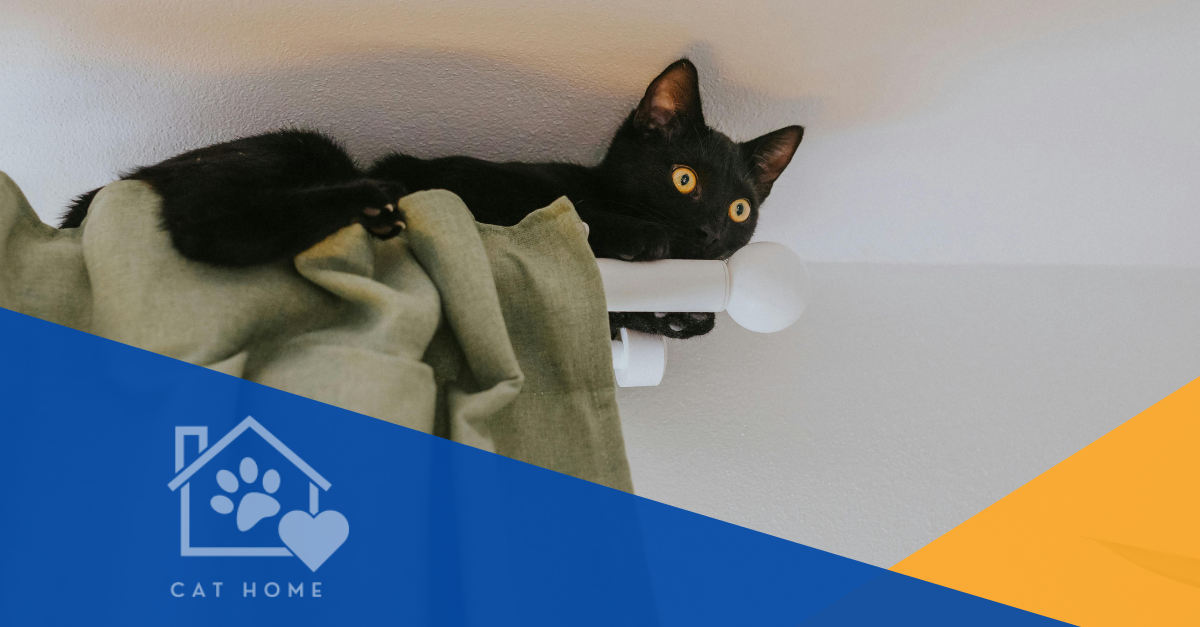
Why Cats Suddenly Decide They Don’t Like a Room
By Salwati Samzaman
Mon, Feb 2, 2026
One day, your cat happily sleeps in a room. The next day, they refuse to step inside. They pause at the doorway, look around, and walk away. No obvious reason. No warning. Just a sudden decision. This can be confusing and sometimes worrying for cat owners.
This guide on Why Cats Suddenly Decide They Don’t Like a Room is here to help you understand what might be going on, using simple explanations that match how cats actually think and feel.
Why Cats Can Suddenly Avoid a Room
Cats are very sensitive animals. They notice changes in smell, sound, and atmosphere much faster than humans do. When something feels “off”, they often avoid the area instead of investigating it.
Understanding Why Cats Suddenly Decide They Don’t Like a Room is not about blaming behaviour. It is about recognising that cats experience their environment differently from us.
A room that feels normal to you may feel unsafe, uncomfortable, or stressful to your cat.
Step 1: Something in the room changed
Even small changes can matter a lot to cats. New furniture, freshly washed curtains, different cleaning products, or even a new scent can make a room feel unfamiliar. Cats rely heavily on smell to feel secure. If a room suddenly smells “wrong”, your cat may avoid it until it feels familiar again.
Step 2: A negative experience happened there
Cats have strong memory when it comes to fear or stress. A loud noise, a vacuum cleaner, something falling, or being startled can create a bad association with a room. Even if the event only happened once, your cat may remember it clearly and decide the room is not worth the risk.
Step 3: New sounds or vibrations make the room uncomfortable
Some rooms have hidden noises we barely notice. Appliances, air-conditioning units, pipes, or electronic devices can produce sounds or vibrations that bother cats. If the noise is unpredictable, your cat may feel uneasy and choose to stay away from the room entirely.
Step 4: The room no longer feels safe or accessible
If another pet has claimed the space, blocked entry, or caused tension, your cat may avoid the room to prevent conflict. Cats prefer spaces where they feel in control and can leave easily.
Slippery floors or high entry points can also discourage older cats or cats with joint discomfort.
Step 5: Your cat may not be feeling well
Health issues like arthritis, pain, or illness can affect how cats move around the house. A room that requires jumping, climbing, or walking on cold floors may suddenly feel uncomfortable.
If room avoidance comes with other changes—like hiding more, reduced appetite, or litter box issues—it is important to consult a vet.
Helping your cat feel comfortable again
Give your cat time and avoid forcing them into the room. You can gently help by removing strong smells, adding familiar items like bedding, and keeping the space calm and quiet.
Most cats return on their own once the room feels safe again. That is the real message behind Why Cats Suddenly Decide They Don’t Like a Room, it is your cat communicating discomfort, not misbehaviour.