
About 50,000 cats are living on the streets in Singapore

Please refer href these guide on how href register your cat.
Moving House Stresses Out the Cats? 4 Signs to Watch for in Stressed Cats
By Salwati Samzaman
Thu, Aug 22, 2024
Moving to a new house is a big change for everyone, including our cats. Cats love routine, and a move can throw them off, causing stress. Recognising the signs of stress in cats and knowing how to help them adjust can make the move smoother. Here are four signs that your cat might be stressed during a move:
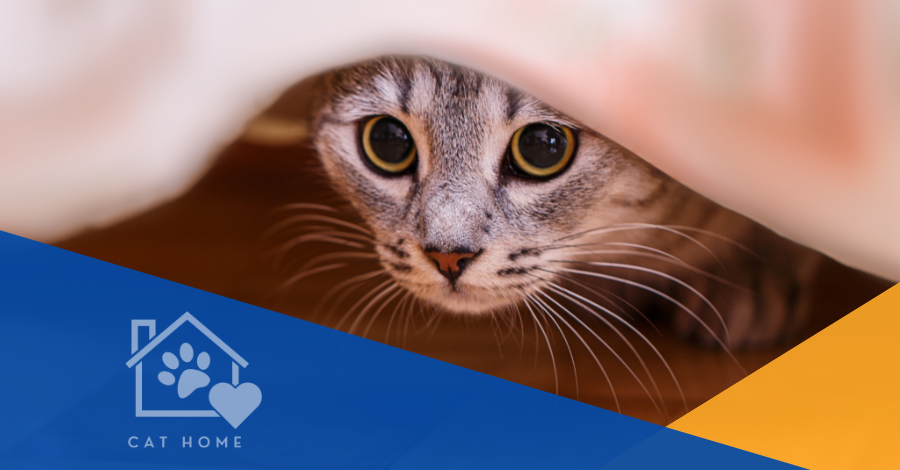
- Hiding : Stressed cats often hide. When faced with an unfamiliar environment, they may retreat to small, enclosed spaces where they feel safe. If your cat is suddenly spending a lot of time under the bed, in a cupboard, or behind furniture, it’s likely because they’re feeling overwhelmed by the move.
- Excessive Meowing : Cats communicate through vocalisations, and an increase in meowing can indicate stress. If your cat is meowing more than usual, especially in a distressed or urgent tone, they might be anxious or uncomfortable in their new surroundings.
- Panting : Panting in cats is rare and often signals significant stress or physical discomfort. If your cat is panting, it’s important to calm them and check that they’re not overheating or experiencing another health issue. Persistent panting requires a vet visit.
- Eating Less : Stress can cause changes in your cat’s eating habits. If your cat suddenly loses interest in food or is eating much less, it’s a sign they’re not coping well with the move. Monitor their diet closely to prevent further health issues.
How to Reduce Stress While Moving with Cats
- Keep a Consistent Routine : Maintaining your cat’s regular feeding times and play sessions can provide a sense of normality. This familiarity can help reduce their anxiety during the move.
- Introduce One Room at a Time : Start by keeping your cat in one room when you move into the new house. This lets them get used to the new environment slowly. Gradually allow them to explore other rooms at their own pace, so they don’t feel overwhelmed.
- Use Pheromone Spray or Diffuser : Pheromone sprays or diffusers mimic the natural scents cats use to mark their territory. Using these in your new home can create a familiar and calming environment for your cat.
- Spread Their Scent Around the House : Cats rely on scent to feel secure. Rub a soft cloth on your cat’s cheeks and then rub it on furniture and door frames in your new home. This spreads their scent, making the new environment feel more like their own territory.
- Place Familiar Items Around the House : Familiar items like their favorite bed, scratching post, and toys can provide comfort. Place these items around the house to help your cat feel more at home.
Conclusion
Helping your cat adjust to a new home means recognising signs of stress and using calming strategies. Keeping a consistent routine, allowing gradual exploration, and using familiar scents and items can ease their transition. For more tips on caring for your cat, explore our other articles, including the "Introduction to the Cat Profile Feature at Cat Home"
Being attentive to your cat’s needs and using these strategies, you can help your cat adapt to their new home with less stress and more comfort.