
About 50,000 cats are living on the streets in Singapore

Please refer href these guide on how href register your cat.
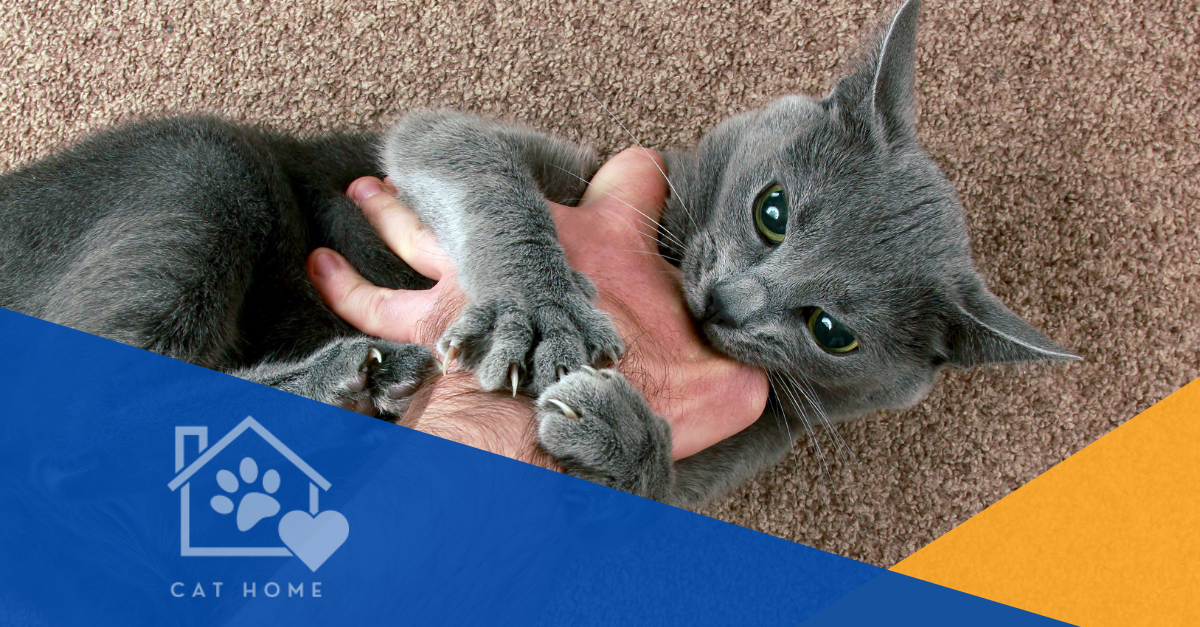
Understanding and Stopping Petting Aggression in Cats
By Salwati Samzaman
Mon, Feb 5, 2024
Imagine this: you're enjoying a cuddle session with your feline friend, stroking their soft fur, when suddenly, they hiss and swat! While surprising, this behavior, known as petting aggression in cats, isn't uncommon. But don't fret! By understanding How to Stop Petting Aggression in Cats, you can build a stronger, more trusting bond with your furry companion.
Clues to Petting Aggression
Think of your cat's communication style as subtle. They rely on body language and vocalizations to express themselves. So, how do you know when petting aggression is brewing? Here are some key signs to watch for in How to Stop Petting Aggression in Cats:
- Flattened ears, narrowed eyes, and a twitching tail: These are classic signs of discomfort or stress.
- Skin rippling or fur standing on end: This indicates your cat is feeling tense or overstimulated.
- Slow blinks or vocalizations like growling or hissing: These are warnings to back off before things escalate.
Remember, every cat is unique, so pay close attention to their individual signals.
Why Do Cats Act This Way?
Several reasons can trigger petting aggression in cats:
- Overstimulation: Some cats have sensitive areas or simply get overwhelmed by too much petting.
- Negative past experiences: If your cat has been hurt during petting in the past, they may associate it with pain.
- Underlying medical issues: Pain from conditions like arthritis can lead to aggression.
Building a Positive Relationship
Understanding the cause is crucial in How to Stop Petting Aggression in Cats. Here are some steps:
- Respect their boundaries: Watch your cat's body language and stop petting before they show signs of discomfort.
- Let them initiate contact: Encourage cuddles on their terms, using slow blinks and gentle strokes.
- Focus on positive associations: Reward calm behavior with treats or praise, creating positive associations with petting.
- Seek professional help: If aggression persists, consult a veterinarian or animal behaviorist to rule out medical causes and develop a personalized plan.
Community Cats Matter Too!
If you encounter a community cat exhibiting petting aggression, be patient and avoid forcing interaction. Respect their boundaries and report any concerning behavior to animal welfare organizations. By understanding How to Stop Petting Aggression in Cats, you can advocate for all felines, regardless of their background. Remember, knowledge is power! By understanding your cat's behavior and implementing these tips, you can build a trusting and loving relationship.