
About 50,000 cats are living on the streets in Singapore

Please refer href these guide on how href register your cat.
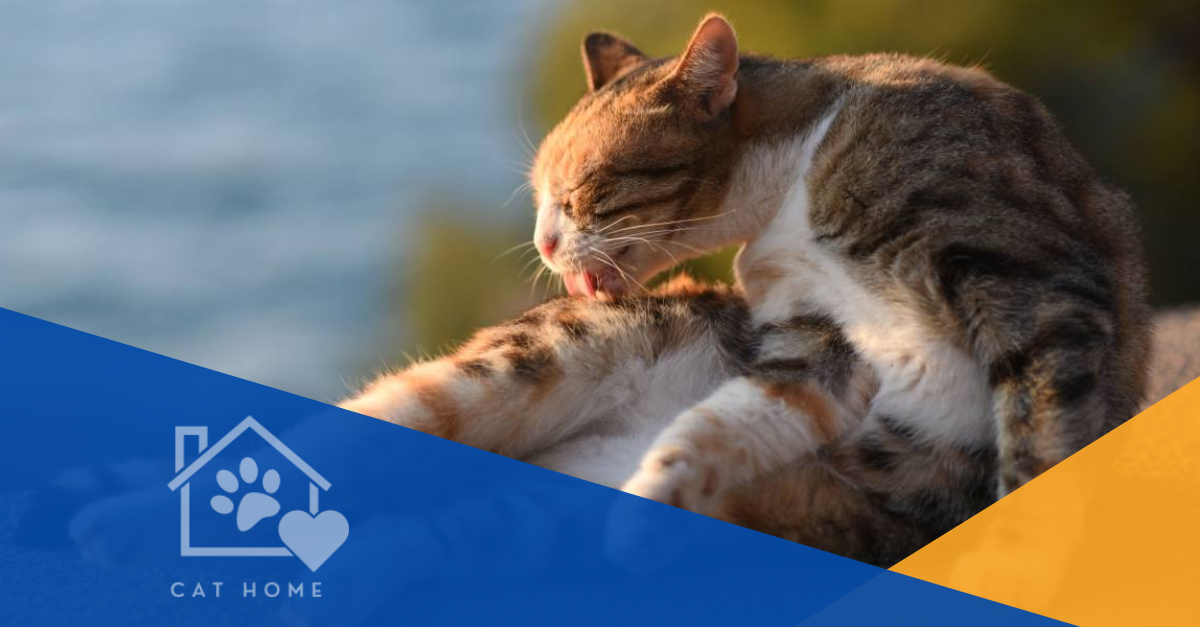
Top Reasons Cats Stop Grooming Themselves (With Vet Advice)
By Salwati Samzaman
Mon, Aug 18, 2025
As cat owners, we all know that cats are naturally clean creatures. Grooming is not just a beauty ritual, it’s part of their daily routine and helps regulate body temperature, reduce stress, and keep their coat healthy. But what happens when your cat suddenly stops grooming? Top reasons cats stop grooming themselves (with vet advice) is something every cat lover should understand to make sure their furry friend stays healthy and happy.
In this article, we’ll explore the most common reasons cats stop grooming, and what you can do to help.
1. Health Issues or Pain
One of the biggest reasons why cats stop grooming themselves is due to pain or illness. Cats are good at hiding discomfort, so subtle changes in grooming may be your first clue. Arthritis, dental disease, or injuries can make grooming difficult or painful.
Vet Advice: Watch for signs like limping, sensitivity to touch, or changes in posture. A trip to the vet can help detect hidden issues early. Pain relief or treatment can often restore your cat’s grooming habits.
2. Stress and Anxiety
Cats thrive on routine, and when something disrupts it, like a move, new pet, or loud noise – stress can set in. One common response to anxiety is neglecting grooming.
Vet Advice: Create a peaceful environment with hiding spots, calming diffusers, and interactive play. If stress continues, speak with your vet about anxiety-reducing strategies or supplements.
3. Obesity
When cats gain excess weight, grooming becomes physically challenging. They may struggle to reach their back or hind legs, leading to greasy fur and mats.
Vet Advice: Ask your vet for a weight loss plan that includes diet changes and play-based exercise. Weight loss often leads to improved mobility and grooming.
4. Old Age or Low Energy
As cats age, they may experience reduced flexibility or energy. Grooming can become a tiring task, especially if arthritis or other age-related issues are present.
Vet Advice: Senior cats may need extra help. Regular brushing or a grooming service can keep their coat clean and tangle-free. Your vet may also suggest supplements for joint support.
5. Skin Conditions or Allergies
Fleas, allergies, and infections can make your cat’s skin itchy or painful, making them avoid grooming altogether. You may notice your cat scratching more or licking specific spots.
Vet Advice: Consult a vet to identify the cause. Treatment may include flea prevention, allergy medication, or medicated shampoos.
6. Poor Diet or Nutritional Deficiency
Nutrition plays a big role in coat health. If your cat isn’t getting enough essential nutrients, their fur may become dull, and they may stop grooming.
Vet Advice: Ensure your cat eats a balanced, vet-approved diet. Omega-3 fatty acids and high-quality protein can greatly improve coat condition and grooming motivation.
Helping Your Cat Stay Clean and Healthy
So, why do cats stop grooming themselves? The Top Reasons Cats Stop Grooming Themselves (With Vet Advice) range from physical discomfort and stress to poor diet and age. Paying attention to grooming habits can be an early warning sign of deeper health concerns.
If your cat has stopped grooming, don’t ignore it. Early vet intervention can prevent further issues and restore their comfort. Whether it’s adjusting their diet, managing stress, or helping with brushing, your care makes all the difference.