
About 50,000 cats are living on the streets in Singapore

Please refer href these guide on how href register your cat.
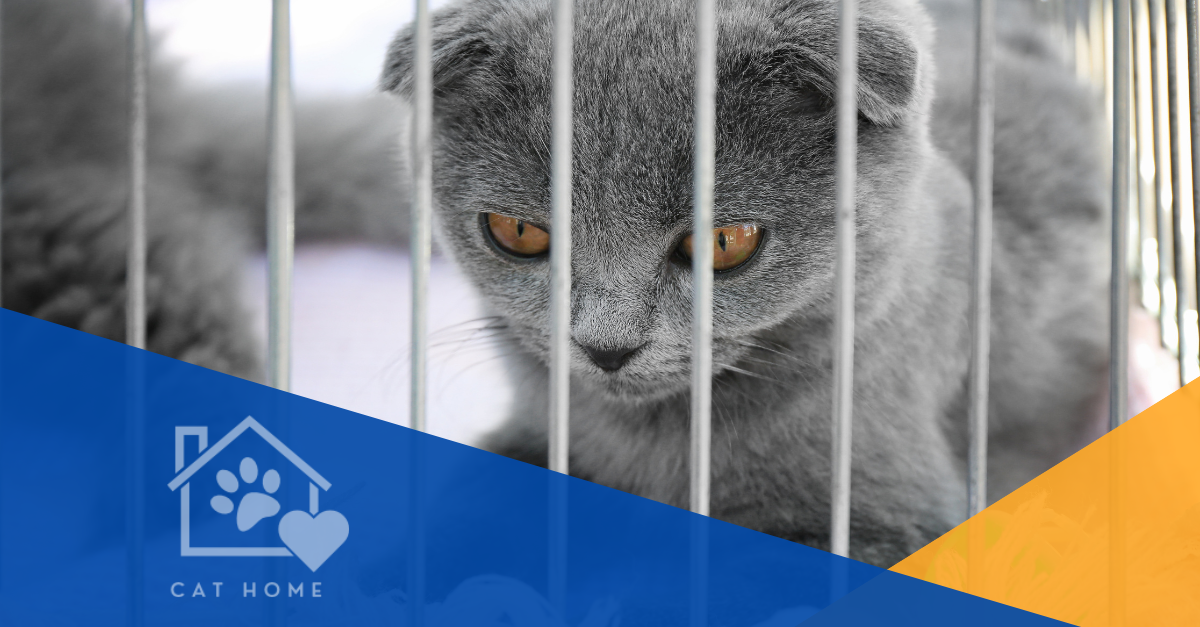
The Truth About Rehoming: When It’s Responsible Around the House
By Salwati Samzaman
Sun, Jul 5, 2026
Cat rehoming is one of the hardest topics for any cat lover. It can feel emotional, painful, and full of guilt. Many people think rehoming means giving up, but that is not always true. Sometimes, it can be the most loving decision when a cat’s safety, health, or happiness is at risk.
The Truth About Rehoming: When It’s Responsible Around the House is not about judging cat owners. It is about understanding when a home is no longer the right place for a cat, and how to make the next step with care.
Rehoming Is Not Always Abandonment
There is a big difference between abandoning a cat and making a responsible rehoming plan. Abandonment means leaving a cat without safety, food, shelter, or protection. Responsible rehoming means taking time to find a better and safer home.
For example, a family may rehome a cat because of serious illness, major financial hardship, unsafe housing, or a strong conflict between pets that cannot be solved. These situations are painful, but they can happen. A responsible owner does not disappear. They plan, ask questions, and make sure the cat goes somewhere safe.
When Rehoming May Be the Kinder Choice
A cat should feel safe in the home. If a cat is always hiding, fighting, stressed, or unable to settle, the home may not be meeting their needs. Sometimes, the issue can be improved with patience, vet advice, behaviour support, or changes around the house. A quiet room, more litter boxes, better introductions, or extra enrichment can make a big difference.
But if the cat is still deeply stressed or unsafe, rehoming may become the kinder option. The Truth About Rehoming: When It’s Responsible Around the House reminds us that love is not only about keeping a cat. Love is also about choosing what gives the cat a better life.
Do Not Rush the Decision
Rehoming should never be a quick reaction after one bad day. Cats can act out when they are scared, sick, bored, or confused. Before deciding, ask yourself: Has the cat seen a vet? Have I tried to understand the cat behaviour? Is the home too noisy, too crowded, or too stressful? Are there safe changes I can still make?
A vet check is important because sudden aggression, toilet problems, or hiding can be linked to pain or illness. If the problem has a medical cause, rehoming may not solve it.
Finding the Right New Home
A responsible rehoming process should protect the cat from being passed around again. Ask the future adopter about their home, lifestyle, pet experience, and expectations.
Be honest about your cat’s personality. If your cat is shy, say so. If your cat dislikes dogs, children, or other cats, do not hide it. The goal is not just to find any home. The goal is to find the right new home. If possible, work with a trusted rescue group, shelter, or cat community. They may help screen adopters and guide the cat adoption process safely.
Make the Transition Gentle
Moving can be scary for cats. Send familiar items with them, such as their bed, blanket, toys, food, and litter. These smells can help them feel less lost.
The new owner should give the cat time to settle in one quiet room first. Cats do not need to explore everything on the first day. They need safety, patience, and calm.
A Loving Choice Can Still Hurt
The Truth About Rehoming: When It’s Responsible Around the House is that doing the right thing can still break your heart. Missing your cat does not mean you made the wrong decision.
Responsible rehoming is not about convenience. It is about care, honesty, and the courage to put your cat’s wellbeing first. When done properly, rehoming can give a cat a second chance at a calmer, safer, and happier life in a safe home.