
About 50,000 cats are living on the streets in Singapore

Please refer href these guide on how href register your cat.
Is Your Cat Overstimulated? Here's What Every Cat Lover Should Know
By Salwati Samzaman
Tue, Apr 8, 2025
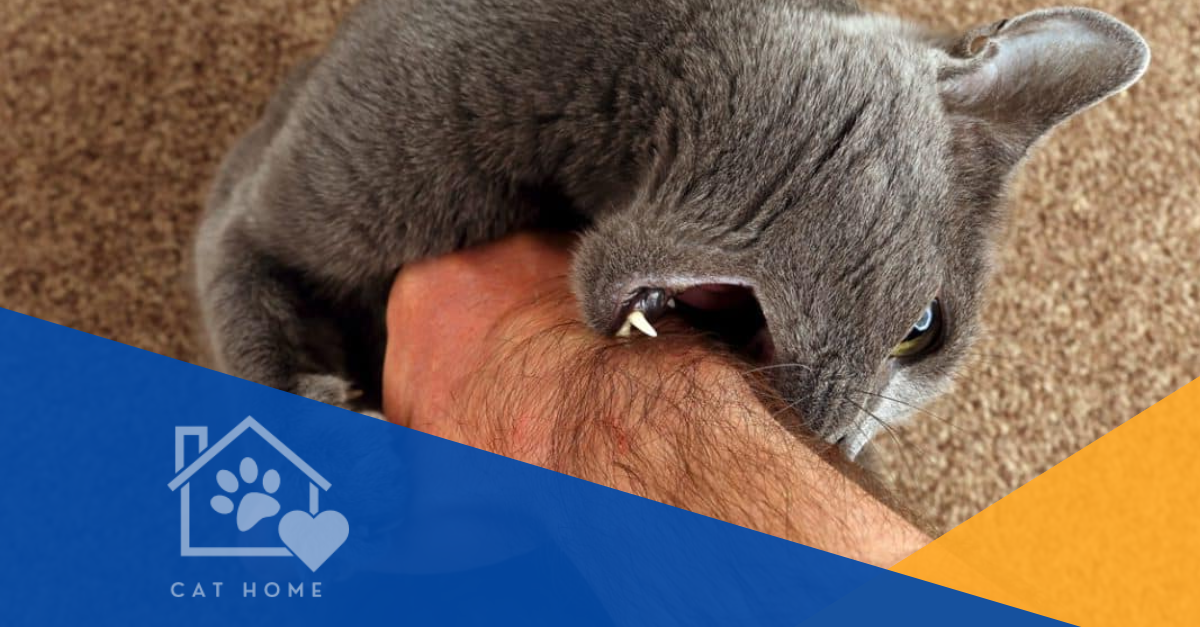
Milo was lying on the sofa, happily enjoying some gentle strokes behind his ears. He looked calm and relaxed. But all of a sudden, he swatted his owner’s hand and ran off with his tail twitching. If something like this has ever happened to you, don’t worry. Many cat lovers have seen this sudden change in behaviour. It’s usually not anger or bad behaviour. It’s something called overstimulation in cats.
So, what does overstimulation in cats mean?
Overstimulation happens when your cat gets too much touching or too many things happening around them. While we think stroking is nice and relaxing, cats can become uncomfortable if it goes on for too long. Their bodies are very sensitive. Areas like the belly or the base of the tail can quickly become too much for them. That’s why a cat might suddenly bite or scratch, even during what seemed like a peaceful cuddle.
How to Spot the Signs
Most cats will give small signs before they react. These signs are their way of saying, “That’s enough for now.” Here are some signs to look out for:
- Tail flicking or moving quickly
- Ears going flat or to the side
- Body becoming stiff or still
- Big, wide pupils
- Turning their head quickly towards your hand
If you see these signs, stop stroking and give your cat a bit of space. They just need a break.
Why Do Cats Get Overstimulated?
Every cat is different. Some love to be stroked for a long time, while others prefer just a few gentle pats. Things like their past experiences, age, and even their mood can affect how much they enjoy being touched. Young cats or cats with lots of energy might get overstimulated more easily, especially if they don’t have enough playtime. If a cat is bored or lives in a noisy home, they may also be more sensitive. That’s why it’s important to understand overstimulation in cats. It helps you be a better cat owner and keeps your cat feeling safe and happy.
What Can You Do?
Here are a few helpful tips:
- Learn what your cat likes. Some cats enjoy being stroked on the head and cheeks, but not on the back or belly. Watch how they respond.
- Keep stroking sessions short. Give a few strokes, then pause. If your cat wants more, they’ll let you know.
- Give them playtime. Use toys like feathers or balls to help your cat use up energy during the day.
- Create quiet spots. Cats like to have calm, cosy places where they can rest without being bothered.
Understanding overstimulation in cats can help you and your cat get along better. It shows that you respect their needs and helps you build a stronger, happier bond. So, the next time your cat gives you that “enough!” signal, don’t worry. You’re just learning to speak their language.