
About 50,000 cats are living on the streets in Singapore

Please refer href these guide on how href register your cat.
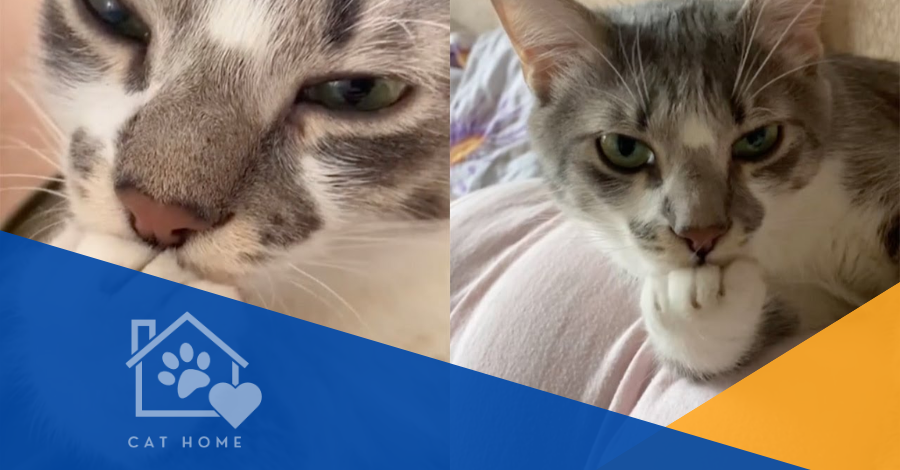
Is Paw Sucking a Normal Behaviour in Cats?
By Salwati Samzaman
Mon, Aug 26, 2024
When it comes to understanding our cats, their unique behaviours can make our time together more interesting and fulfilling. Whether they’re offering comfort with a gentle purr or showing affection with a playful nudge, our cats have a way of making our lives richer and more enjoyable.
However, some behaviours, like paw sucking, can leave us puzzled and concerned. It’s important to know what’s normal and when to be attentive. Here, we explore what paw sucking means and how to ensure your cat stays happy and healthy.
Understanding Normal Cat Behaviours
Cats exhibit a wide range of behaviours, many of which are entirely normal and healthy. Grooming, kneading, purring, and scratching are just a few examples of behaviours that help cats express their emotions, satisfy their instincts, and maintain their health. Paw sucking, although less common, can be seen as part of this spectrum of behaviours.
What is Paw Sucking?
Paw sucking involves a cat placing its paw or another object in its mouth and sucking on it, often accompanied by purring or kneading. This behaviour is similar to how a kitten might suckle from its mother during nursing. While some cats outgrow this behaviour, others continue it into adulthood, which can cause confusion and concern for pet owners.
Causes of Paw Sucking in Cats
Paw sucking can be triggered by several factors:
- Early Weaning: Cats that are weaned too early from their mothers may develop a tendency to suck on their paws as a substitute for the comforting nursing behaviour they missed out on.
- Stress and Anxiety: Just like humans might bite their nails when nervous, cats may suck on their paws as a way to self-soothe when they feel stressed or anxious.
- Boredom or Lack of Stimulation: Cats that are not adequately stimulated might develop repetitive behaviours, including paw sucking, as a way to cope with their environment.
- Learned Behaviour: Some cats might develop this behaviour simply because they find it comforting or pleasurable, and it becomes a habit over time.
Is Paw Sucking a Normal Behaviour?
Whether paw sucking is considered normal depends on the context. In some cases, it’s a benign, comforting behaviour that doesn’t indicate any underlying issues. However, if the behaviour is excessive, or if it leads to physical harm, it may signal a deeper problem that needs to be addressed.
- Normal Behaviour: Paw sucking might be a normal self-soothing action in certain cats, particularly if it’s not obsessive or harmful.
- When to Be Concerned: If the paw sucking is causing physical injury, or if it seems compulsive, it’s worth consulting a vet to rule out any psychological or physical issues.
Conclusion
Above all else, understanding your cat's paw sucking behaviour means you’ll know when to provide extra comfort and care, ensuring your feline friend stays content and healthy.
Looking for more ways to keep your cat happy and stimulated? Check out our guide on the top 5 Tips to deal cat doesn't eat, next.