
About 50,000 cats are living on the streets in Singapore

Please refer href these guide on how href register your cat.
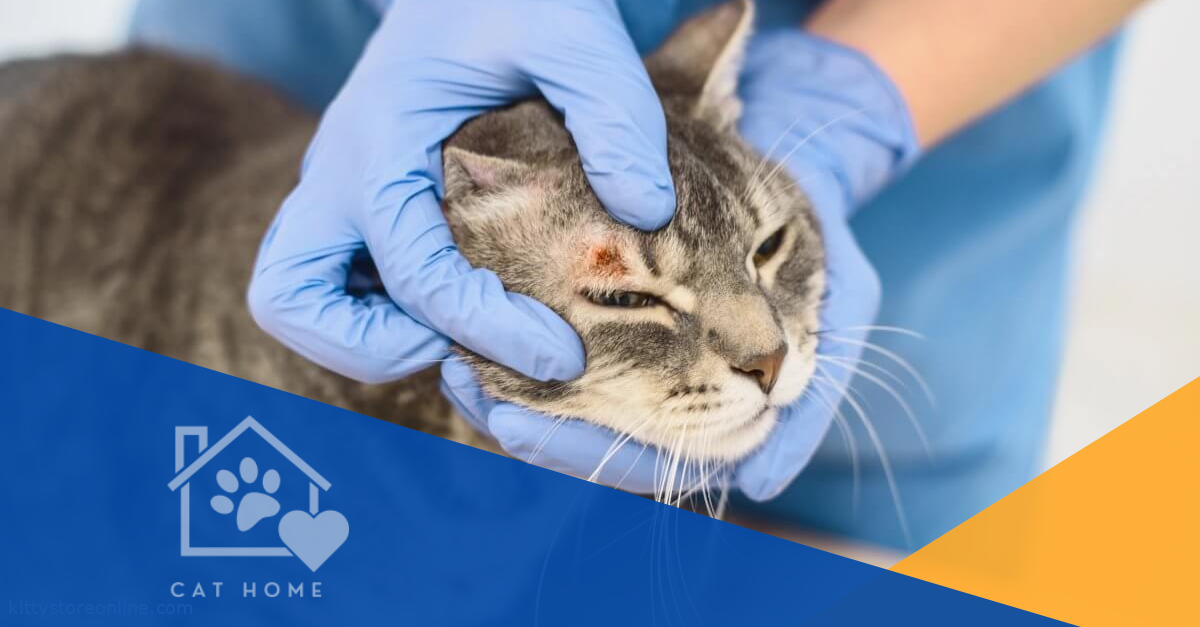
How to Prevent Fungal Infections Before They Start
By Salwati Samzaman
Tue, Mar 3, 2026
If you’re a cat owner, fungal infections can feel scary because they spread easily and show up when you least expect it. The good news? Most cases can be avoided with a few simple habits. This guide, How to Prevent Fungal Infections Before They Start, is written to be clear, practical, and easy to follow.
First, what are “fungal infections” in cats?
The most common one is cat ringworm (even though it’s not a worm). It’s a cat fungus that can cause:
- Round patches of hair loss
- Flaky or crusty skin
- Mild redness
- Itching (sometimes)
Some cats look totally fine but still carry spores, which is why ringworm prevention matters.
The 5 habits that stop fungus before it starts
1) Brush your cat regularly (yes, it helps a lot)
Brushing removes loose fur and dirt where spores can hide.
- Short hair: 2–3 times/week
- Long hair: daily if possible
Bonus: you spot skin problems early.
2) Don’t share grooming tools between cats
One brush can spread spores from one cat to another.
- Give each cat their own brush/comb
- If you must share: wash with hot soapy water and dry fully
This is a simple cat hygiene rule that many owners skip.
3) Wash “cat fabrics” more often than you think
Fungus loves places with fur and warmth.
Every week (or every 2 weeks minimum), wash:
- Bedding / blankets
- Soft toys
- Cushion covers
- Carrier liners
If your home has many cats, wash more often.
4) Keep your home dry and well-aired
Fungus grows better in damp areas.
- Open windows when you can
- Avoid leaving wet towels near cat areas
- Clean litter area spills quickly
- Don’t let water bowls make a “wet corner” on the floor
5) Be extra careful with new cats (this is the big one)
Many infections start with a new cat coming home.
For the first 10–14 days:
- Let the new cat stay in one room
- Use separate bowls, bedding, litter tray, and brush
- Watch skin and fur closely
This one step reduces the biggest risk of cat-to-cat spread.
Quick “spot it early” checklist (2 minutes)
Check once a week:
- Ears and around the face
- Paws and legs
- Under the neck
- Back and tail area
Look for: small bald patches, flaky skin, crusty edges, or unusual dandruff.
If you suspect fungus: do this immediately
Don’t panic — just act fast.
- Separate the cat from others (if you have more than one)
- Stop sharing bedding and brushes
- Book a vet check (don’t guess)
- Clean key areas daily: floors, favourite nap spots, carrier
The earlier you act, the easier it is to manage.
How to Prevent Fungal Infections Before They Start is really about staying consistent, not perfect. A clean sleeping spot, separate grooming tools, and smart “new cat” routines can save you weeks of stress later. If you want, tell me: 1 cat or multi-cat home? I can turn this into a simple weekly cleaning + grooming routine you can follow.