
About 50,000 cats are living on the streets in Singapore

Please refer href these guide on how href register your cat.
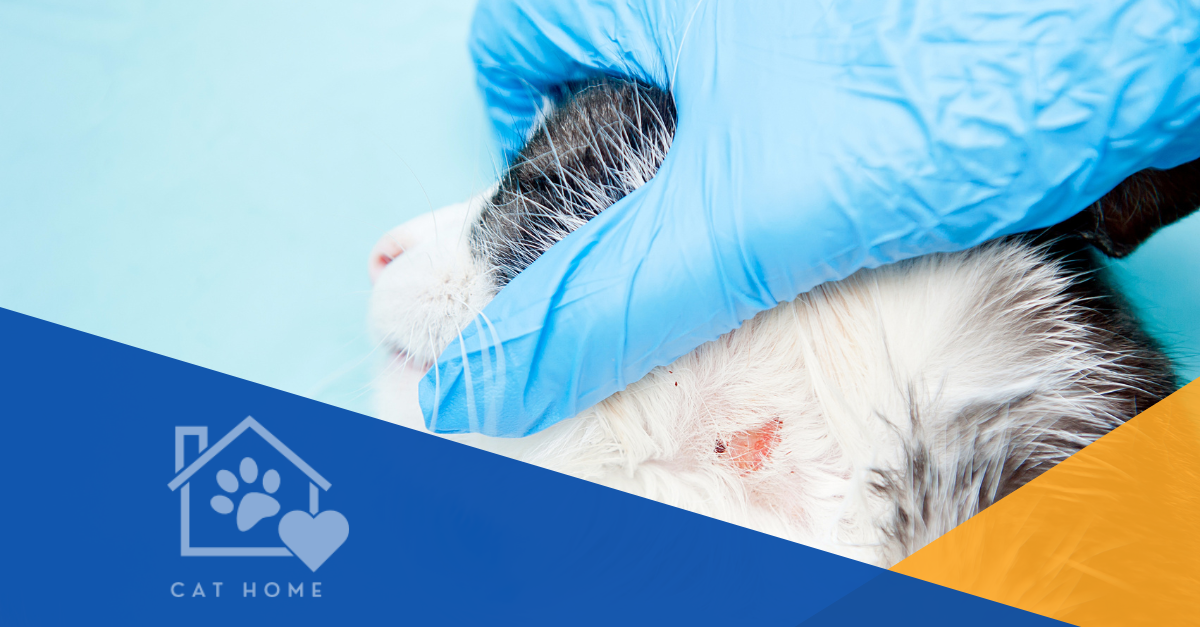
How does ringworm impact cats?
By Salwati Samzaman
Mon, Nov 20, 2023
Cats are delightful companions, but like any pet, they can face health challenges. One common concern is ringworm, a fungal infection that can affect a cat's skin, fur, and claws. In this article, we'll explore the impact of ringworm on our feline friends in simple terms.
What is Ringworm?
Contrary to its name, ringworm isn't caused by worms but by a fungus. It's highly contagious and can spread through direct contact with an infected cat, contaminated objects, or even from the environment.
Skin Troubles:
The primary impact of ringworm on cats is visible on the skin. Affected cats may develop round, scaly patches that often appear red and itchy. These patches can expand over time, giving the classic ring-like appearance. It's important to note that not all ringworm lesions look the same; some may be less distinct.
Fur Affair:
Ringworm loves a good fur party. Cats with ringworm might experience fur loss, making their coat appear uneven and patchy. This can be alarming for pet owners, but with proper care, the fur usually grows back once the infection is under control.
Itchy Dilemma:
One of the most common signs of ringworm in cats is itching. The affected areas can be quite itchy, leading your cat to scratch or groom excessively. This behavior, while a response to discomfort, can also contribute to the spread of the infection.
Claw Concerns:
Ringworm can also impact a cat's claws. Infected cats might develop brittle or discolored claws. In severe cases, the infection can extend to the nail bed, causing pain and discomfort.
Transmission Tango:
Understanding how ringworm spreads is crucial. Cats can pass it to other cats, and humans can also catch it. Regular handwashing and keeping infected cats separate from healthy ones can help prevent the spread.
Diagnosis and Treatment:
If you suspect your cat has ringworm, a vet visit is in order. Diagnosis often involves a fungal culture or a specialized lamp to detect the characteristic fluorescence of ringworm. Once confirmed, treatment may include antifungal medications, medicated shampoos, and environmental cleaning to eliminate fungal spores.
Home Sweet (and Clean) Home:
To aid in recovery, ensure your cat's living space is clean. Wash bedding regularly, clean litter boxes, and sanitize surfaces your cat frequents. This helps prevent re-infection and protects other pets.
The Road to Recovery:
The good news is that ringworm is treatable. With proper veterinary care, most cats recover well. Medication adherence, a clean environment, and patience are key components of the recovery journey.
Ringworm can undoubtedly pose challenges for cats and their owners, but with knowledge and prompt action, its impact can be minimized. Regular vet check-ups, a clean living environment, and awareness of your cat's behavior are essential in ensuring their well-being. Remember, with the right care, your feline friend can overcome the ringworm hurdle and get back to a happy and healthy life.