
About 50,000 cats are living on the streets in Singapore

Please refer href these guide on how href register your cat.
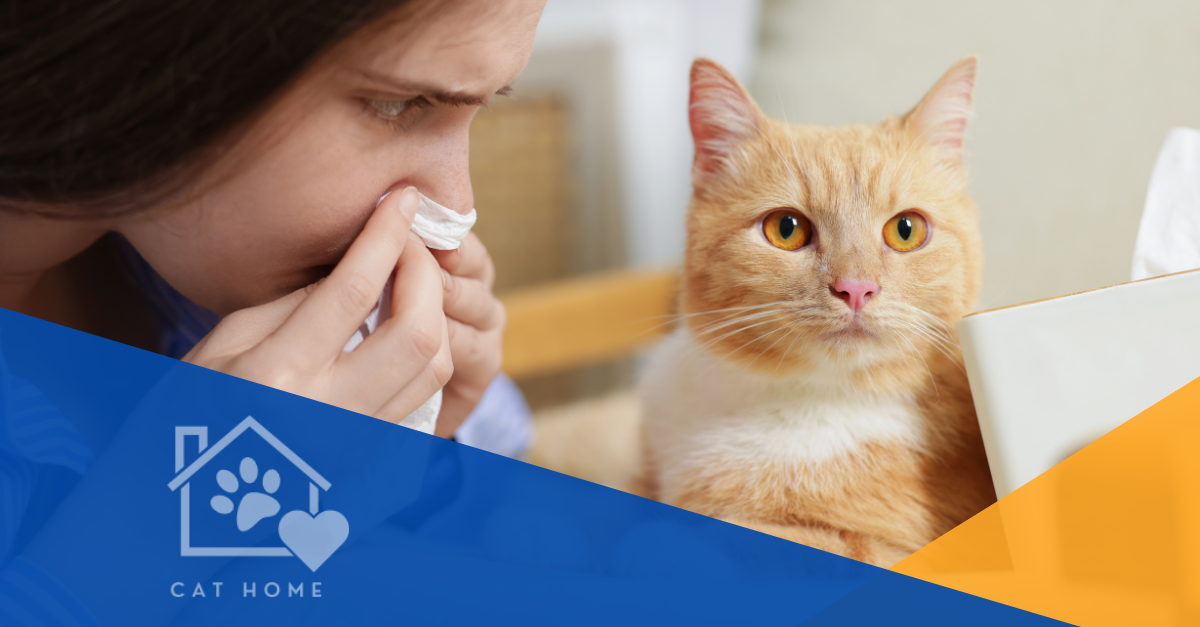
Can Cats Get Seasonal Allergies? What Singapore Owners Should Know
By Salwati Samzaman
Thu, Jan 22, 2026
Yes, cats can get seasonal allergies, but in Singapore it can look a bit different. We do not have four clear seasons, so allergies may feel “on and off” throughout the year instead of only in spring. Triggers like pollen from flowering plants, mould from humid weather, dust mites at home, and even haze periods can all irritate sensitive cats. In Can Cats Get Seasonal Allergies? What Singapore Owners Should Know, the big idea is simple. Your cat may not sneeze like humans do. Many cats show allergies through their skin first.
What seasonal allergies look like in cats
For cats, the most common sign is often itchy skin. You might notice:
- nonstop scratching, licking, or chewing (especially paws, belly, and legs)
- overgrooming that causes bald patches or thin fur
- scabs around the neck or back
- red ears, head shaking, or repeat ear infections
- watery eyes, sneezing, or runny nose in some cases
It is easy to confuse allergies with fleas or stress grooming, so look for patterns. Does it flare up after window time, after a walk in a carrier to the vet, after house cleaning, or during hazier weeks?
Why it can happen “anytime” in Singapore
Singapore’s warm, humid environment can support year-round mould and dust mites, and outdoor plants can release pollen at different times. Plus, haze usually happens during the Southwest Monsoon period (often June to September), which can make the air feel harsher for both humans and pets.
That is why Can Cats Get Seasonal Allergies? What Singapore Owners Should Know is really about noticing your cat’s personal “allergy season”. For some cats, it is linked to humidity spikes. For others, it is linked to outdoor exposure or dusty corners at home.
What you can do at home (simple fixes that help)
Try these gentle, practical steps:
- Keep bedding clean: wash blankets weekly with unscented detergent.
- Wipe your cat after outdoor time: a damp cloth can reduce pollen and dust on fur.
- Vacuum and mop more often: especially sofas, curtains, and favourite nap spots.
- Avoid strong scents: air fresheners and sprays can irritate sensitive cats.
- During haze: keep windows closed more and check air quality updates when planning ventilation.
When to see a vet
If itching lasts more than a few days, if you see sores, hair loss, ear infections, or your cat seems miserable, it is time to get help. Vets usually check for fleas first, then consider food allergy, then environmental allergy (often called atopy). Treatment can include itch relief, infection care, and longer-term plans to reduce flare-ups.
The good news is that many cats improve a lot once triggers are managed. Can Cats Get Seasonal Allergies? What Singapore Owners Should Know is not meant to scare you. It is meant to help you spot early clues, so your cat can feel comfortable faster.