
About 50,000 cats are living on the streets in Singapore

Please refer href these guide on how href register your cat.
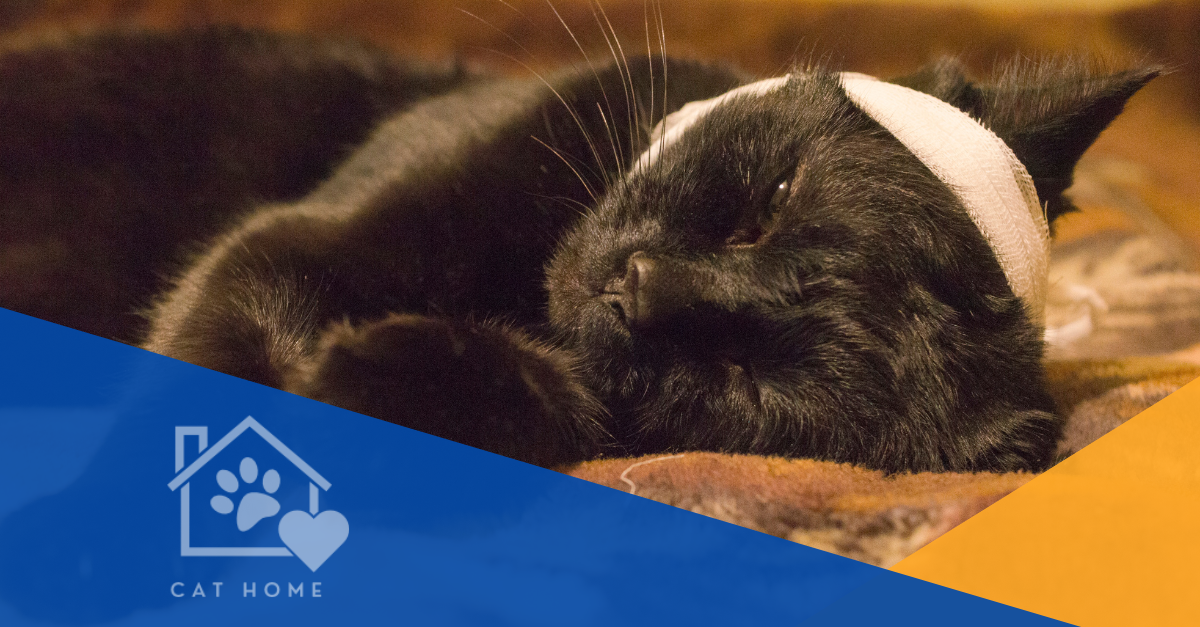
6 Common Reasons Why Your Cat Is Not Eating and How to Help
By Salwati Samzaman
Mon, Sep 29, 2025
It’s always worrying when your cat suddenly turns away from their food bowl. Whether they’re usually fussy or always the first to the dish, a change in eating habits can signal something deeper. In this guide, we’ll explore the 6 Common Reasons Why Your Cat Is Not Eating and How to Help, so you can spot the signs early and take the right steps.
1. Dental Pain
One of the most overlooked reasons is dental problems. Cats can suffer from sore gums, broken teeth, or mouth infections that make chewing painful. If your cat starts dropping food or avoids dry biscuits, a vet check for dental issues is a good idea.
2. Stress or Anxiety
Cats are sensitive to changes in their environment. Moving house, new pets, loud noises, or even a different feeding bowl can cause stress. This emotional discomfort can lead to a loss of appetite. Try offering a quiet, comfortable feeding space and stick to regular routines.
3. Illness or Infection
When a cat stops eating, it could be due to an underlying illness. Conditions such as kidney disease, infections, liver problems, or digestive issues often reduce appetite. If your cat hasn’t eaten for more than 24 hours, it’s best to contact your vet.
4. Change in Food
Sometimes the issue is as simple as a change in diet. Cats can be very particular, and switching their food too quickly may result in rejection. Always introduce new food gradually, mixing it with the old over several days.
5. Hairballs or Blockages
Excess grooming can cause hairballs, which may lead to discomfort or temporary loss of appetite. In more serious cases, a blockage in the digestive system can occur. If your cat seems nauseous, vomits, or strains in the litter box, seek veterinary help promptly.
6. Ageing and Mobility Issues
Older cats may eat less due to reduced sense of smell or mobility problems. If your cat struggles to reach their food bowl or has difficulty chewing, consider softer foods and raised bowls to make mealtimes easier.
How to Help Your Cat Eat Again
Now that you know the 6 Common Reasons Why Your Cat Is Not Eating and How to Help, you can try a few practical tips:
- Warm their food slightly to increase aroma
- Offer smelly, enticing options like tuna or chicken broth
- Ensure their eating area is calm and clean
- Stick to a feeding routine
- Visit your vet for a full health check
Your Cat's Appetite Matters
The next time you find untouched food in the bowl, don’t panic—but don’t ignore it either. The 6 Common Reasons Why Your Cat Is Not Eating and How to Help shows how many simple and serious causes there can be. Paying attention early can help you get your furry friend back to feeling like themselves.