
About 50,000 cats are living on the streets in Singapore

Please refer href these guide on how href register your cat.
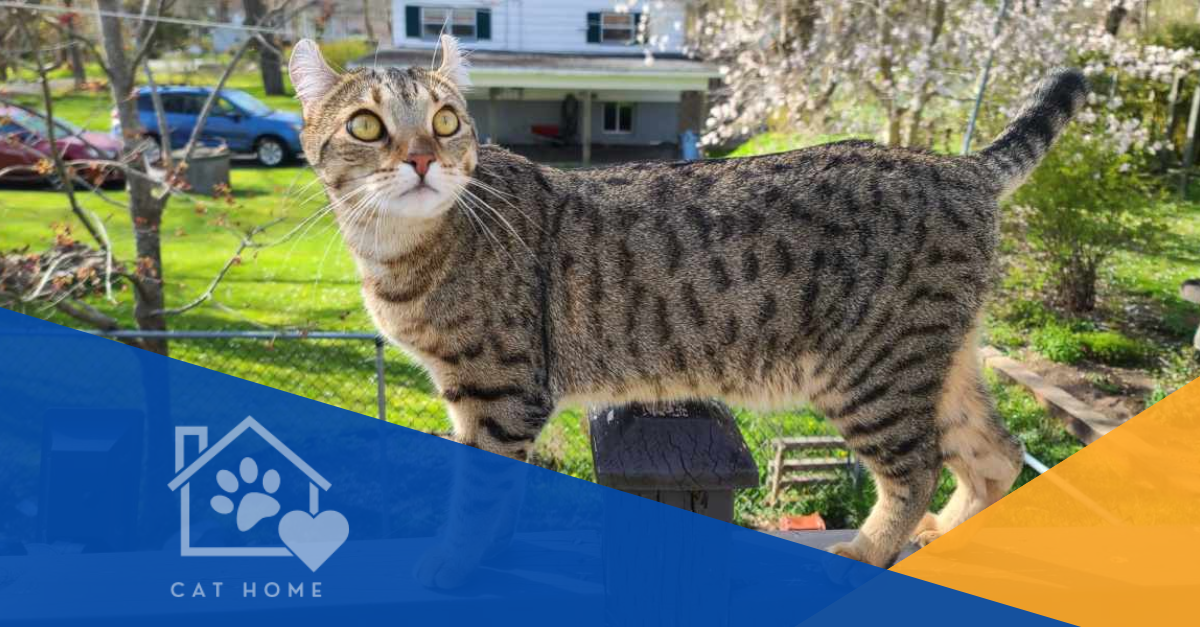
5 Reasons Your Cat Is Pacing and What You Can Do
By Salwati Samzaman
Mon, Sep 8, 2025
When a cat starts walking back and forth with no clear reason, it’s not just random. Pacing can be your cat’s way of showing discomfort, boredom, or even pain. It’s important to notice this change in behaviour and figure out what’s going on. This article shares 5 reasons your cat is pacing and what you can do to help them feel better.
Sometimes, a small change at home or in their body is all it takes to set off this habit.
1. Boredom or Not Enough Play
Cats need things to do. Without enough playtime or stimulation, they can get restless and start pacing. Indoor cats, especially, may walk in circles or wander the house just to release built-up energy. It’s their way of saying, “I need fun.”
What to do: Add some interactive toys, cat trees, or puzzle feeders. Even 10 minutes of play can make a big difference
2. Stress or Sudden Change
Cats love routine. A move, loud noises, or the arrival of a new pet can trigger cat stress. Pacing is one of the first signs that something is off. You might also notice your cat hiding more than usual or acting jumpy.
What to do: Create a calm space where your cat feels safe. Use calming sprays or pheromone diffusers to ease anxiety.
3. Health Problems
When pacing is paired with other signs like crying, confusion, or sudden aggression, it might be a health issue. Older cats can develop cognitive problems, and conditions like hyperthyroidism or chronic pain may cause restlessness.
What to do: Schedule a visit to the vet. A simple check-up could uncover problems early. Senior cats need regular care to stay healthy and happy.
4. Mating Behaviour
Hormones can also play a role. A cat that hasn’t been neutered or spayed may pace around the house when they’re in heat or searching for a mate. This is common in both males and females and can be very intense.
What to do: If your cat is not fixed, talk to your vet about spaying or neutering. This helps reduce mating behaviour and improves overall well-being.
5. Late-Night Energy
Some cats get the zoomies at night. They may run, jump, or pace for no reason. It’s part of their natural nocturnal rhythm and often happens after a nap or when the house is quiet.
What to do: Tire your cat out with an active play session in the evening. Feeding them a small meal before bed also helps them sleep better.
Final Thoughts
You don’t need to be a cat expert to understand what your furry friend needs. Just by paying attention to their behaviour, like pacing, you’re already showing care. Now that you know the 5 reasons your cat is pacing and what you can do, you're better equipped to respond with love and confidence. A little observation, a bit of patience, and some playtime might be all it takes to turn pacing into purring.