
About 50,000 cats are living on the streets in Singapore

Please refer href these guide on how href register your cat.
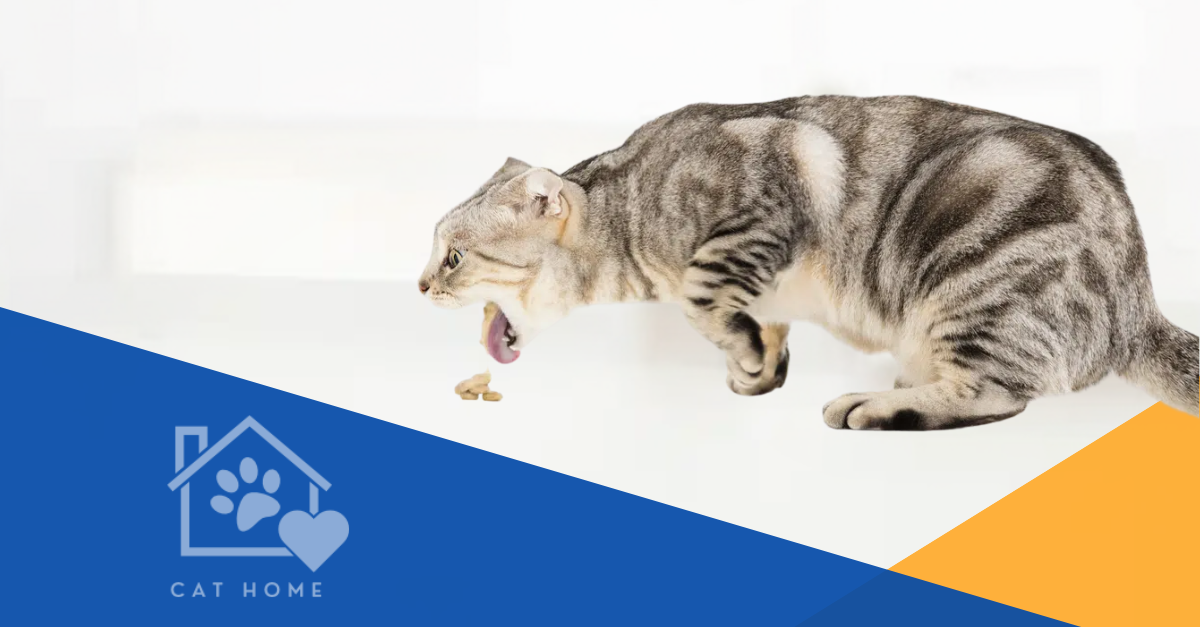
Your Cat Throws Up After Eating? This Could Be Why
By Salwati Samzaman
Mon, Mar 10, 2025
We all love our furry friends, but cleaning up cat vomit is never fun. If your cat throws up after eating, you might be wondering, "Why does this happen?" Let’s look at some common reasons and what you can do to help.
Hairballs: The Usual Suspects
Cats groom themselves a lot and swallow loose fur, which can form hairballs. Sometimes, they vomit to get rid of them. A hairball every now and then is normal, but if it happens too often, your cat may be over-grooming or have another issue. Try hairball remedies or a special diet to help reduce them.
Eating Too Fast
Some cats eat too quickly, which can upset their stomachs and cause vomiting. This is common in cats that compete for food with other pets or eat large meals too fast. A slow-feeder bowl or feeding smaller, more frequent meals can help prevent this. If your cat throws up after eating due to fast eating, slowing them down can make a big difference.
Food Sensitivities or Allergies
Some cats have allergies or sensitivities to certain foods, such as grains, dairy, or specific proteins. If your cat vomits often, along with signs like itching, diarrhea, or gas, they may need a different diet. Your vet can help identify the problem and suggest hypoallergenic food.
Health Problems: When to See a Vet
- Frequent vomiting could be a sign of a more serious condition, such as:
- Inflammatory bowel disease (IBD): Causes stomach inflammation.
- Kidney disease: Vomiting is a common symptom.
- Hyperthyroidism: An overactive thyroid can cause vomiting and increased appetite.
- Pancreatitis: Inflammation of the pancreas leads to severe vomiting.
- Parasites: Worms and other parasites can upset digestion.
- Foreign objects: Cats sometimes swallow things they shouldn’t, which can cause blockages.
If your cat throws up after eating regularly and also seems tired, stops eating, or has blood in their vomit, take them to the vet as soon as possible.
How to Help Your Cat
- Watch for patterns – Note how often your cat vomits and what the vomit looks like.
- Keep them hydrated – Make sure your cat always has fresh water.
- Adjust their diet – If vomiting is mild, try feeding plain boiled chicken and rice for a few days.
- Visit the vet if needed – If vomiting continues or gets worse, a vet can diagnose the cause and recommend treatment.