
About 50,000 cats are living on the streets in Singapore

Please refer href these guide on how href register your cat.
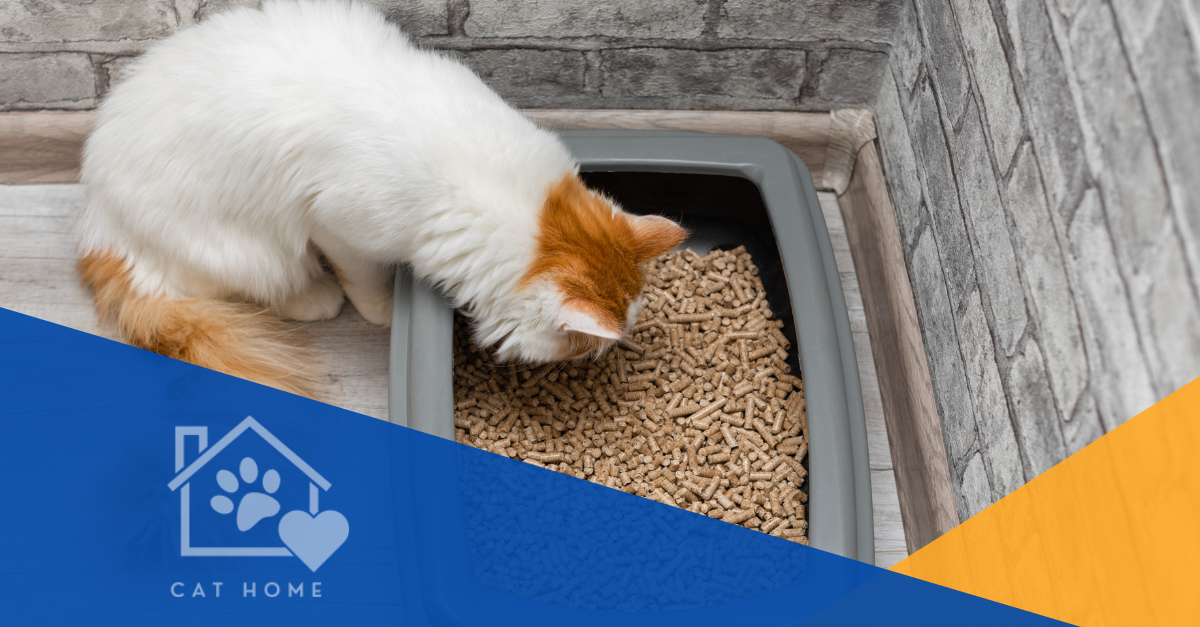
Why Your Cat Refuses to Use a New Litter Box
By Salwati Samzaman
Thu, Jan 29, 2026
You bought a fresh new litter box with good intentions. Cleaner, nicer, maybe even “more modern”. But your cat walks up, sniffs it, and acts like it does not exist. Then they go… somewhere else. Annoying? Yes. Confusing? Also yes. But in most cases, it is fixable.
In Why Your Cat Refuses to Use a New Litter Box, the biggest truth is simple. Cats do not care that it is new. They care whether it feels safe, familiar, and comfortable.
1) The new box feels different (and cats hate surprises)
A new box can have a strong plastic smell, a different height, or a different shape. Some cats dislike covered boxes because smells get trapped inside. Others hate high sides because it is harder to step in, especially for kittens or older cats with stiff joints.
Try this: keep the box simple and roomy. Many cats prefer a large, open tray with easy entry.
2) The litter changed too (texture matters)
To humans, litter is just litter. To cats, it is a floor they have to stand on with bare paws. If the new litter feels rough, too sandy, too perfumed, or too “pellet-y”, your cat may avoid it.
A good rule: start with an unscented litter that is similar to what your cat already accepts. If you want to change litter types, do it slowly by mixing small amounts over time.
3) The location is not “right” in your cat’s mind
Cats want privacy, but they also want to feel safe. If the new box is placed near a noisy washing machine, in a tight corner, or in a spot where another pet can surprise them, they may refuse to use it. Choose a quiet place with easy access. In multi-cat homes, spread boxes out so one cat cannot block another.
4) The box is clean, but it does not smell like “home”
This sounds odd, but cats often feel comfortable when the litter box has a familiar scent. If you threw out the old box and replaced it with a brand new one, your cat may feel unsure.
A simple trick: put a small scoop of used litter (not waste, just used litter) into the new box. It tells your cat, “This is yours.”
5) Your cat might be stressed, or it might be medical
Sometimes litter box refusal is not about the box at all. Stress, changes at home, conflict with another cat, constipation, urinary pain, or arthritis can all affect litter box habits.
If your cat is straining, peeing small amounts, crying, or avoiding the box suddenly, contact a vet quickly. Urinary issues can become serious fast.
How to fix it, step by step
Here is a simple plan that works for many cats:
- Put the old box back (even temporarily).
- Place the new box nearby, not as a replacement yet.
- Use the same litter your cat already likes.
- Add a small scoop of used litter into the new box.
- Keep both boxes available for 1 to 2 weeks.
- Scoop daily and keep the area calm and quiet.
Most cats do not refuse a new box to be difficult. They refuse it because something about it feels wrong. And once you adjust the box, the litter, or the location, many cats return to normal quickly. That is the real message behind Why Your Cat Refuses to Use a New Litter Box.
If you are still stuck after trying the steps above, it is worth speaking to your vet. There is almost always a reason, and you can usually solve it with the right setup. Why Your Cat Refuses to Use a New Litter Box is frustrating, but it is also your cat’s way of saying, “Please make this feel safe for me.”