
About 50,000 cats are living on the streets in Singapore

Please refer href these guide on how href register your cat.
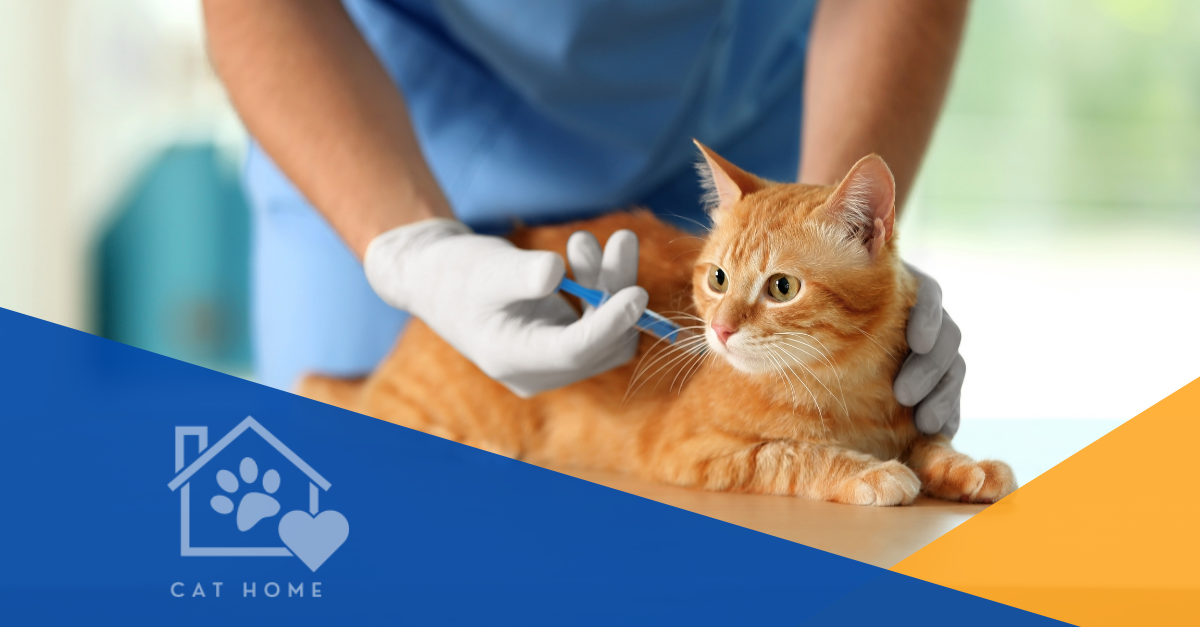
Why Vaccinations are Vital for Your Cat's Well-being
By Salwati Samzaman
Mon, May 15, 2023
Getting your cat vaccinated is essential for protecting them from deadly diseases and ensuring their overall well-being.
Despite what the old saying suggests, cats don’t actually have nine lives. That’s why it’s crucial for us to do everything we can to protect the one life they do have.
One of the most critical aspects of ensuring your cat’s well-being is getting them vaccinated. Just like humans, our feline friends can be susceptible to a range of illnesses. Vaccines can provide protection from many of them and keep your cats happy and healthy by strengthening their immune system.
Understanding Vaccinations for Cats
Vaccinations work by introducing a small amount of a virus or bacteria into your cat's body. This exposure triggers the immune system to produce antibodies that can fight off the disease. If your cat is exposed to the disease in the future, their immune system will recognize it and be able to fight it off quickly.
Vaccinations also save you money in the long run. Treating a cat with a preventable disease can be costly, and some diseases can even lead to death. By vaccinating your cat, you are investing in their long-term health and saving yourself from expensive veterinary bills.
What Vaccines Should My Cat Have?
According to guidelines provided by the Animal and Veterinary Service Singapore, there are two types of vaccinations for cats: core and non-core vaccines.
Core vaccines are essential for all cats, regardless of their lifestyle or environment. These vaccines protect against severe, widespread diseases that can be fatal to cats. Core vaccines recommended for cats include:
1. Feline Parvovirus or Feline Panleukopenia Virus (FPV)
2. Feline Calicivirus
3. Feline Herpesvirus
Non-core vaccines are optional and depend on your cat's lifestyle and risk of exposure. Non-core vaccines recommended for felines are:
1. Feline Leukaemia Virus
2. Feline Immunodeficiency Virus
3. Feline Chlamydiosis
4. Rabies
Depending on your vet, these vaccines can be given as single shots, or combined with other vaccines.
No vaccine is 100% effective. It is equally important for you to follow up on your first vaccination with regular booster shots during your cat’s lifetime. Do check in with your vet for advice on the shots needed, and when to schedule booster shots.
When to Vaccinate Your Cat
Kittens should receive their first set of vaccinations at 6-8 weeks of age. They should then receive boosters every 2-4 weeks until they are 16-20 weeks old. After that, cats should receive boosters every 1-3 years, depending on the vaccine and your cat's lifestyle.
If you adopt an adult cat, make sure they are up-to-date on their vaccinations. Your veterinarian can help you determine what vaccinations are necessary for your cat based on their age, lifestyle, and risk of exposure.
Is It Safe to Vaccinate My Cats?
While vaccines are generally safe, there is always a risk of side effects. Some cats may experience mild side effects, such as lethargy, fever, or soreness at the injection site. These side effects usually resolve on their own within a few days.
In rare cases, cats may experience more severe side effects, such as an allergic reaction. Signs of an allergic reaction include difficulty breathing, swelling of the face or mouth, and hives. If you notice any of these signs, contact your veterinarian immediately.
Do Indoor Cats Need to Be Vaccinated?
Yes, even indoor cats need to be vaccinated.
While indoor cats may have a reduced risk of exposure to some diseases, they are not immune to all of them. In fact, some illnesses like Feline Panleukopenia and Feline Leukemia Virus (FeLV) can be transmitted through indirect contact with humans who have been in contact with other cats or contaminated items.
Vaccinating your indoor cat is not only crucial for their individual health and well-being, but it also plays a significant role in controlling and preventing the spread of diseases within the feline population. By ensuring that your cat is up-to-date with their vaccinations, you are not only protecting them but also contributing to the overall health of the feline community.
How to Prepare Your Cat for Vaccinations
Before your cat receives their vaccinations, make sure they are healthy and up-to-date on their preventive care. If your cat is sick, they may not be able to receive its vaccines. It's also essential to tell your veterinarian if your cat has had any adverse reactions to vaccines in the past.
During the appointment itself, focus on being a calm presence for your cat. Cats are sensitive and can pick up on their owner’s emotions, so it’s important to stay calm and positive. Speak to your cat in a soothing tone to keep them calm. Use a sturdy and comfortable carrier to transport your cat, including a favourite toy to reduce anxiety during the ride to the vet.
After your cat receives their vaccinations, monitor them for any side effects. If your cat experiences mild side effects, you can offer them plenty of rest and fluids. If your cat experiences more severe side effects, contact your veterinarian immediately.
Conclusion: Keeping Your Feline Healthy with Vaccinations
Vaccinations are an essential aspect of feline healthcare that helps protect your cat from deadly diseases. From indoor cats to outdoor cats, all felines are susceptible to illnesses that can be prevented through proper vaccination. By staying up-to-date on your cat's vaccines, you are investing in their long-term health and well-being.
Consult with your veterinarian to determine which vaccinations are necessary for your cat based on their lifestyle and risk factors. Neglecting your cat's vaccinations can lead to serious, life-threatening illnesses and pose a significant risk to the health of other pets in your household.
Let's take proactive steps to ensure our feline friends are protected from preventable diseases and help maintain a healthy feline population. For more information, you can refer to this e-brochure here from AVS on vaccinating your pet.