
About 50,000 cats are living on the streets in Singapore

Please refer href these guide on how href register your cat.
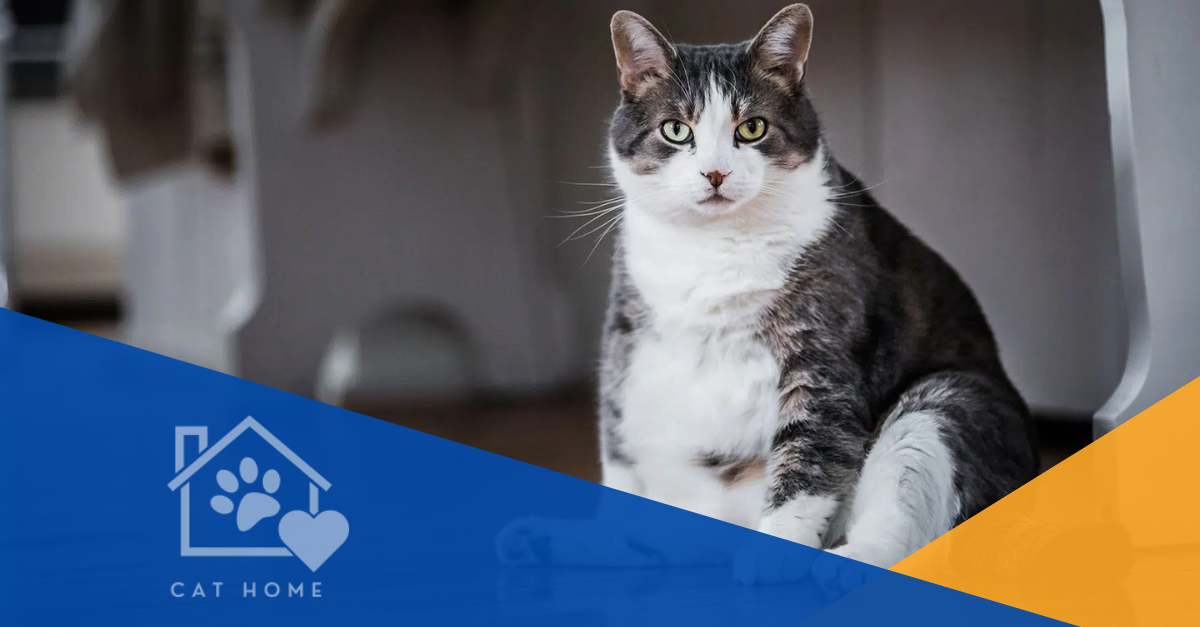
Why Sudden Weight Gain Is More Dangerous
By Nadya Aisy
Mon, Sep 14, 2026
A cat looking a little rounder can seem harmless, especially if they still eat, play, and behave normally. You may even think they are simply becoming more cuddly with age. But when the change happens quickly, it deserves more attention.
Understanding Why Sudden Weight Gain Is More Dangerous can help cat owners notice health changes before they become harder to manage. Weight gain can come from overeating and reduced activity, but a fast increase may also mean something else is happening inside the body.
A Small Change Can Be a Big Deal
Cats are much smaller than humans, so even a little extra weight can make a noticeable difference. VCA Animal Hospitals considers cats overweight when they are around 10% to 20% above their ideal body weight and obese when they are more than 20% above it. Excess body fat is also linked with health problems such as diabetes and joint disease.
This is why monitoring your cat’s cat weight is useful. A change that looks small to us may represent a significant percentage of a cat’s healthy body weight.
Sudden Weight Gain May Not Always Be Fat
One reason rapid weight gain deserves attention is that the number on the scale does not always mean extra body fat.
Fluid can sometimes build up in a cat’s tissues and cause swelling. This is known as edema, and it can be linked to serious underlying conditions. PetMD notes that edema may affect different parts of the body and should be assessed urgently when it is accompanied by signs such as breathing difficulty, severe swelling, weakness, or neurological changes.
If your cat suddenly looks larger around the belly or legs, especially without an obvious change in food intake, it is worth speaking with a veterinarian rather than assuming they have simply gained fat.
Feline Obesity Often Develops Quietly
Not every change happens overnight. Feline obesity often develops slowly because a cat regularly eats more calories than they use. Indoor cats may also exercise less than we realise, particularly if they spend most of the day sleeping.
Cornell University notes that free feeding, where food remains available throughout the day, can contribute to excessive calorie intake. Owners may also have difficulty recognising when their cat has become overweight. Extra weight can make movement harder, which may lead to even less activity. Over time, this cycle can affect mobility and overall health.
Watch the Cat, Not Just the Scale
When you notice weight gain, look for other changes too. Is your cat moving less? Are they struggling to jump onto their favourite chair? Has their appetite suddenly increased? Does their belly seem swollen rather than simply soft?
You can also gently check whether you can still feel your cat’s ribs and whether a waist is visible when looking from above. Regular weight checks at home or during veterinary visits can make gradual changes easier to spot. Avoid putting an overweight cat on a sudden strict diet without veterinary guidance. Cornell warns that rapid food restriction can put cats at risk of hepatic lipidosis, a serious liver condition. Safe weight loss should be gradual and supervised.
When Should You Pay Attention?
The important lesson behind Why Sudden Weight Gain Is More Dangerous is not that every heavier cat is seriously ill. It is that rapid or unexplained changes deserve investigation. Contact your veterinarian if your cat gains weight quickly, develops swelling, has difficulty breathing, seems unusually tired, or shows a major change in appetite or activity.
Knowing Why Sudden Weight Gain Is More Dangerous gives you one more way to notice when something is different. Your cat cannot tell you that their body feels unusual, but changes in weight can sometimes speak for them.