
About 50,000 cats are living on the streets in Singapore

Please refer href these guide on how href register your cat.
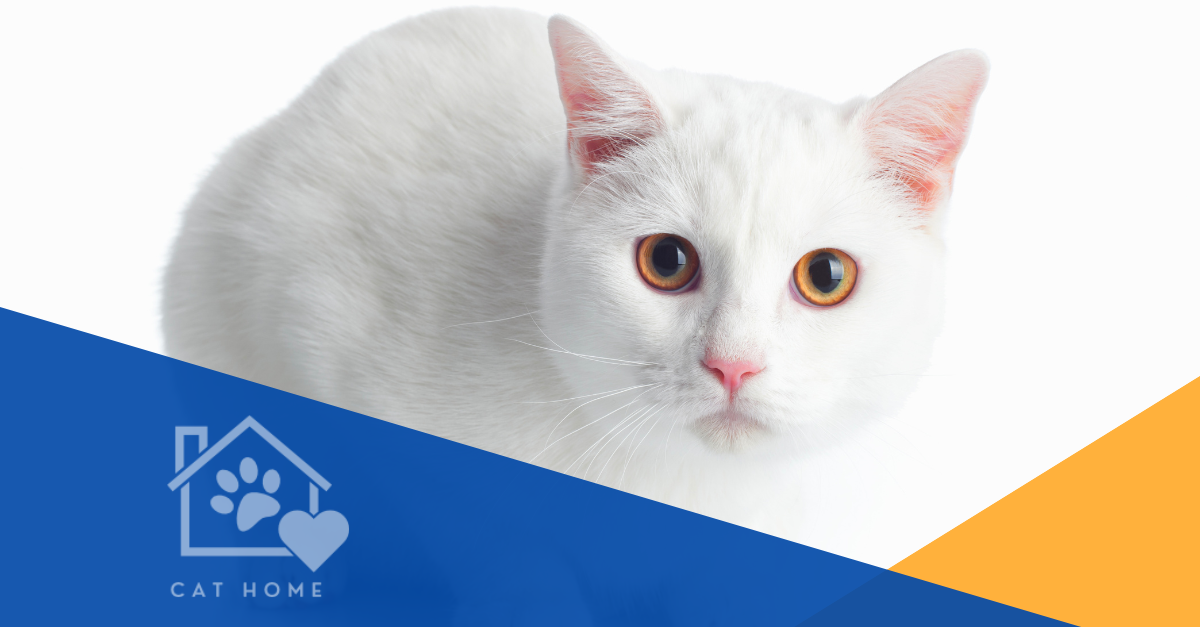
Why Some White Cats Are Hostile towards Other Cats
By Salwati Samzaman
Mon, Oct 13, 2025
Cat colour myths are everywhere, and white cats often get the strongest reactions. “Why Some White Cats Are Hostile towards Other Cats” looks past rumours to explain what might really be going on, and how you can help your household stay peaceful. Spoiler: coat colour alone doesn’t make a cat mean. Personality, health, and social history are far more critical.
Colour isn’t a mood
There’s no solid evidence that white fur itself causes aggression. In fact, surveys that explored links between coat colour and behaviour found other colour patterns (like black-and-white or tortoiseshell) reported as more reactive. At the same time, “white” wasn’t singled out as especially aggressive. Behaviour varies from individual to individual, not by the paint job.
Hearing issues can change behaviour
Some white cats, especially those with one or two blue eyes, have a higher risk of congenital deafness due to the dominant white (W) gene. Deaf or hard-of-hearing cats may startle easily, miss social cues from other cats (such as warning growls), or seem “aloof”, which can escalate tensions. Knowing a cat can’t hear explains many “hostile” moments that are really misunderstandings.
Startle = swat
If a cat doesn’t hear another cat approaching, they might whirl and swat defensively. Veterinarians often note that hearing-impaired animals compensate with their vision and sensitivity to vibration; however, they can also feel more vulnerable, so establishing gentle communication helps. Try approaching within view, tapping the floor lightly, or using a small light cue before interacting.
Stress and territory still rule
Just like any other cat, a white cat may guard resources (food bowls, litter trays, favourite nap spots) or react to sudden changes at home. Multi-cat stress is a common spark for spats: too few litter boxes, no high perches to escape, or rushed introductions. Addressing these basics often lowers “hostility” quickly.
What about outdoor cats?
Outdoors, white cats are simply more visible, which can change how other animals respond to them, but visibility isn’t a personality trait. If your cat has partial hearing loss, keeping them indoors or in a safe enclosure (catio) is kinder and safer.
Calm the conflict: steps that work
- Rule of resources: One per cat plus one (litter trays, food/water stations, scratching posts) in different parts of the home to reduce guarding.
- Vertical space: Add shelves, trees, and window perches so cats can pass without clashing.
- Scent first: Before face-to-face meetings, swap bedding and use a soft cloth to scent-mix the cats’ cheeks and chins.
- Visual barriers: Use baby gates or cracked doors for gradual, low-stress introductions.
- Hearing-friendly cues: For possibly deaf cats, use hand signals, floor taps, or a gentle light cue to minimise startle reactions.
- Health check: Ask your vet about a BAER hearing test if you suspect hearing loss, and rule out pain that can fuel irritability.
“Why Some White Cats Are Hostile towards Other Cats” often comes down to this: white fur doesn’t cause aggression, but hearing differences, stress, and poor introductions can. Support communication, reduce stress, and provide every cat with a safe place to relax.
For cat lovers who share their home with snowy-coated beauties, “Why Some White Cats Are Hostile towards Other Cats” is a reminder to look beyond colour and focus on comfort, health, and gentle, step-by-step socialisation. With the proper setup, even tense roommates can learn to live and lounge together.