
About 50,000 cats are living on the streets in Singapore

Please refer href these guide on how href register your cat.
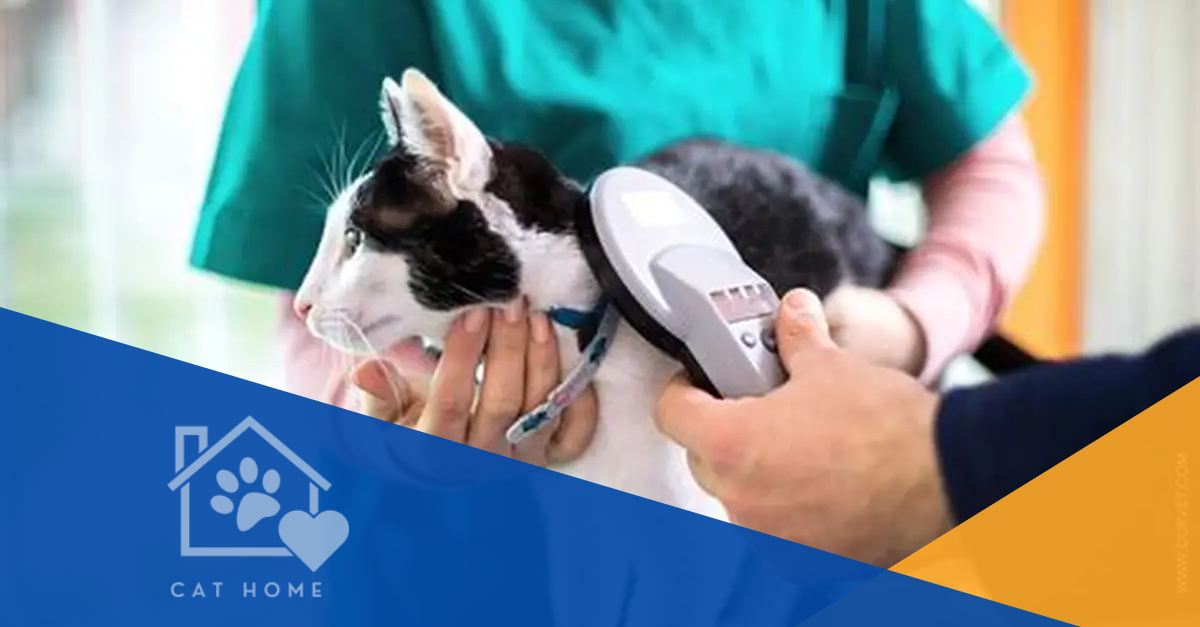
Why Microchip Scanning Should Be Routine in All SG Clinics
By Nadya Aisy
Mon, Sep 28, 2026
A cat arrives at a veterinary clinic for a normal check-up. Maybe it is there for a vaccination, a skin problem, or simply an annual health review. The cat already has a microchip, but no one checks whether it can still be read or whether the number matches the owner’s records.
That small missed step can matter more than people realise. Why Microchip Scanning Should Be Routine in All SG Clinics is not only about technology. It is about making identification part of everyday cat care.
A Microchip Only Helps If It Can Be Read
A cat microchip is a tiny identification device placed under the skin. When scanned, it reveals a unique number that can be linked to the cat’s owner.
In Singapore, pet cats must be microchipped before they can be licensed. AVS explains that microchipping provides permanent identification and can improve the chances of reuniting a missing pet with its owner when the chip is properly linked to current details. But having a chip and checking a chip are two different things. Routine scanning during veterinary visits could help confirm that the chip is present and readable before an emergency ever happens.
Routine Scanning Could Catch Problems Early
Most owners probably assume that once a microchip is inserted, there is nothing more to think about. In many cases, that may be true. However, checking the microchip during a regular appointment is still a simple way to confirm that the identification number can be detected correctly.
It can also give owners an opportunity to compare the number with their licence or registration records. This is especially useful after adoption, moving home, changing phone numbers, or transferring ownership. Good pet identification depends on more than the physical chip. The information connected to it also needs to be accurate.
It Could Make Lost-Cat Cases Easier
Imagine a frightened cat is found several streets away from home and taken to a clinic. One of the first useful questions is whether the cat has a microchip.
AVS describes microchips as a reliable form of permanent identification because they cannot simply fall off like a collar tag. A readable chip connected to current owner information can therefore become an important part of a lost cat reunion. Making scanning familiar and routine could also reinforce the habit of checking identification whenever a cat arrives under unusual circumstances, such as when someone brings in a found cat.
Singapore’s Cat Rules Make Identification More Important
Microchipping now plays a bigger role in responsible cat ownership in Singapore. Under the Cat Management Framework, pet cats are required to be microchipped and licensed, with the transition period ending on 31 August 2026. From 1 September 2026, owners who still need to microchip their cats are directed to their preferred veterinary clinics before applying for a licence.
This makes veterinary clinics an important point of contact for identification, not only health treatment. Adding a quick scan during suitable routine visits could help owners keep their cat’s identification in order.
A Small Check With a Bigger Purpose
Why Microchip Scanning Should Be Routine in All SG Clinics comes down to one simple idea: prevention is easier than discovering a problem when a cat is already missing.
Scanning does not replace proper licensing, updated owner details, secure windows, or careful supervision. It adds another layer of protection.
For cat owners, it can provide reassurance that the chip can still be detected. For clinics, it can help make identification a normal part of conversations about responsible ownership.
And for a missing cat, one readable number may be the detail that leads them home.
That is why Why Microchip Scanning Should Be Routine in All SG Clinics is worth discussing as Singapore continues building a stronger culture of responsible cat ownership.