

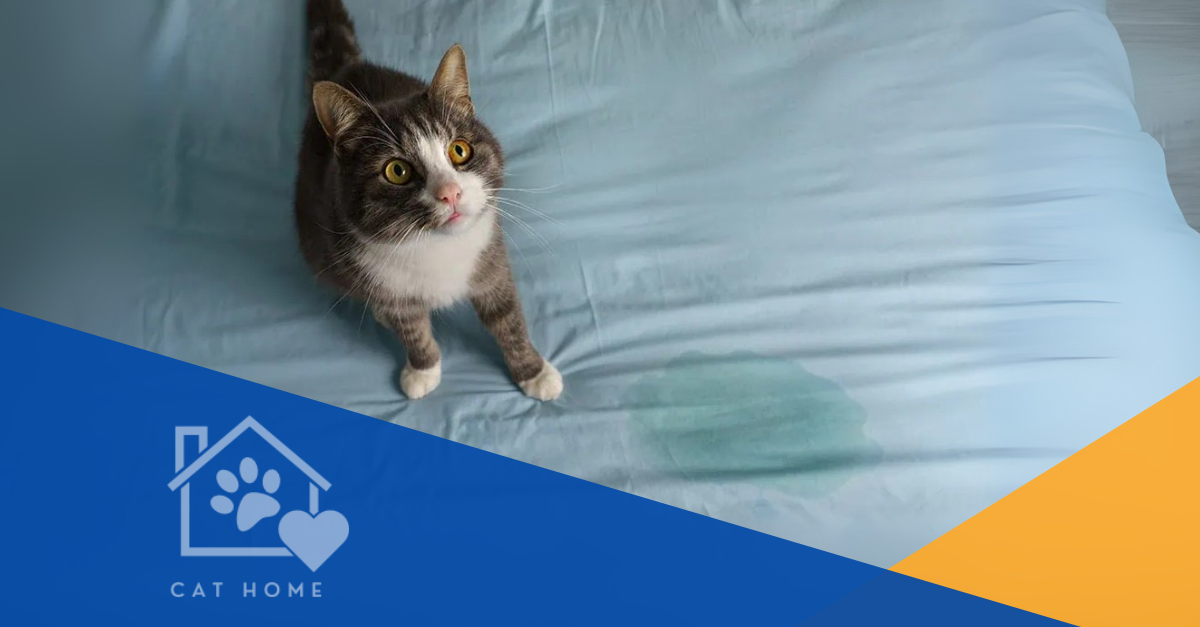
Why Is My Cat Peeing Outside the Litter Box?
By Salwati Samzaman
Mon, Aug 25, 2025
This behaviour is one of the most common concerns among cat owners. Urinating outside the litter box is not random. It is a sign that something is wrong, whether medically, emotionally, or environmentally. Below are the main causes and solutions to help identify and resolve the issue.
1. Medical Conditions Must Be Ruled Out
Health issues are the most urgent cause to consider. Pain, discomfort, or increased urgency can lead a cat to urinate elsewhere.
Common medical triggers include:
- Urinary tract infections (UTIs)
- Bladder inflammation or stones
- Kidney disease
- Diabetes
A veterinary examination is essential when symptoms such as straining, vocalising during urination, or frequent attempts to urinate appear.
2. Poor Litter Box Conditions
Cats prefer a clean and predictable environment for toileting. A litter box that is dirty, too small, covered, or placed in a noisy area may discourage use.
Checklist for optimal litter box setup:
- Scoop waste at least once daily
- Clean the entire box weekly
- Use unscented, soft-textured litter
- Place the box in a low-traffic, quiet area
Providing a litter box that meets these preferences supports consistent use.
3. Emotional or Environmental Stress
Changes in the household can lead to anxiety or territorial behaviour. Relocation, the arrival of a new pet, loud noises, or routine disruptions can affect a cat’s behaviour.
Stress-related urination may present as:
- Spraying (especially in unneutered males)
- Avoidance of the litter box
To reduce stress:
- Keep daily routines consistent
- Minimise sudden environmental changes
- Use pheromone diffusers or designated calm spaces
4. Inadequate Litter Box Access in Multi-Cat Homes
Competition over litter boxes may cause one or more cats to urinate elsewhere. The recommended setup is one litter box per cat plus one extra.
Best practices:
- Place litter boxes in separate, private locations
- Ensure each cat has unrestricted access
- Observe for signs of litter box guarding or avoidance
This reduces tension and encourages regular usage.
5. Behavioural Challenges or Past Trauma
Cats with a history of neglect, punishment, or unstable environments may associate the litter box with fear. Some may have never been properly litter trained.
Approaches for behavioural recovery:
- Avoid all forms of punishment
- Reward litter box use with calm praise or treats
- Keep the household environment quiet and predictable
Long-term consistency is essential to re-establish trust and routine.
Conclusion
Unwanted urination often stems from deeper issues. Medical conditions, poor litter box hygiene, emotional distress, or social tension can all play a role. Identifying the specific cause and responding with patient, informed care is key.
Cats thrive in clean, calm, and predictable environments. When their basic needs are met, most litter box issues improve naturally.