
About 50,000 cats are living on the streets in Singapore

Please refer href these guide on how href register your cat.
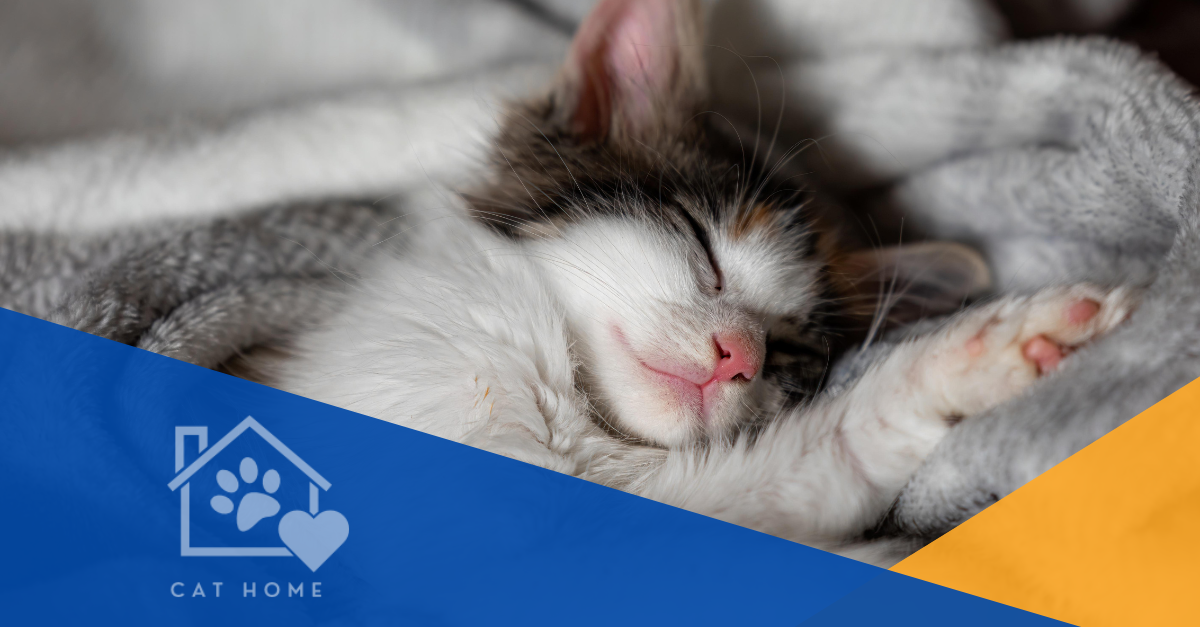
Why Do Cats Spend So Much Time Snoozing?
By Salwati Samzaman
Mon, Mar 18, 2024
Our feline companions can spend a whopping 12 to 16 hours a day curled up napping. That might seem like a luxurious life compared to our busy schedules, but there's a scientific reason behind all that snoozing. So, why do cats sleep so much?
Built for the hunt
Cats are natural-born predators, with instincts honed for stalking and pouncing on prey. In the wild, this hunting requires bursts of intense energy, followed by periods of rest and recovery. Even though our domesticated cats receive a steady stream of kibble from a bowl, their bodies still retain this evolutionary need for extensive sleep. Think of it like a car engine. When a cat hunts, it's like flooring the accelerator. To conserve fuel and avoid overheating, the engine (your cat) needs to idle for long stretches afterwards. This allows them to be fully prepared for the next exciting chase, whether it's after a feathery toy or a daring escape from the vacuum cleaner.
Sleep for Growth and Repair
Just like humans, cats rely on sleep for physical and mental growth. Kittens, in particular, can sleep for a staggering 20 hours a day. This sleep is crucial for developing their brains, nervous systems, and muscles. Even adult cats benefit from ample sleep, as it strengthens their immune system and helps repair tissues throughout the body.
More Than Just Shut-Eye
It's important to understand that not all cat sleep is created equal. While some periods are spent in deep slumber, a significant portion is actually a light doze called "slow-wave sleep." This allows them to stay alert to their surroundings and spring into action if necessary. So, next time you see your cat seemingly snoozing peacefully, they might just be keeping one eye open, ready for anything!
Conclusion: Why Do Cats Sleep So Much?
Cats may seem like lazy creatures who spend most of their days napping, but there's a fascinating science behind their sleep habits. From conserving energy for bursts of activity to supporting their growth and well-being, sleep is essential for our feline friends. So, the next time you catch your cat curled up for a nap, remember it's not just laziness; it's biology! But could their extensive sleep cycles also be a sign of boredom? Perhaps providing them with stimulating toys and activities could lead to even happier, healthier cats.