
About 50,000 cats are living on the streets in Singapore

Please refer href these guide on how href register your cat.
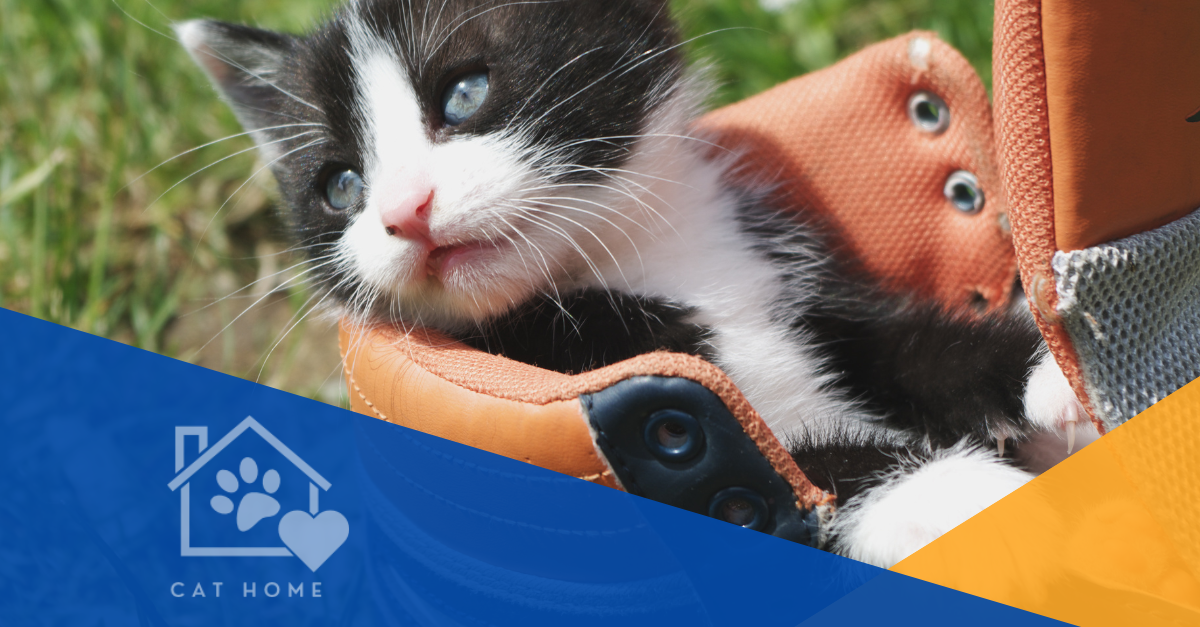
Why Cats Love Shoes (Scent Science)
By Salwati Samzaman
Mon, Aug 3, 2026
You come home, remove your shoes, and moments later your cat is sniffing, rubbing, or even sleeping on them. To us, shoes may seem like ordinary and sometimes rather smelly objects. To a cat, however, they are packed with interesting information.
Why Cats Love Shoes (Scent Science) becomes easier to understand when we remember that cats experience much of their world through smell. Your shoes are not simply footwear. They are a collection of familiar scents, outdoor discoveries, and comforting reminders of you.
Your Shoes Smell Like You
Cats have a powerful sense of smell, and scent plays an important role in how they recognize people, objects, and safe areas. Shoes absorb sweat and natural body oils, creating a strong personal smell that your cat can easily identify. That may sound unpleasant to humans, but your familiar scent can make the shoes comforting to your cat. When you are away from home, your shoes may act like a small scented reminder of your presence.
This is similar to why some cats sleep on worn clothes, blankets, or bags. Items carrying their owner’s smell can feel safer than freshly washed objects that have very little familiar scent.
Shoes Carry Stories From Outside
Every walk adds new smells to your shoes. Grass, soil, pavement, other animals, food, plants, and unfamiliar places can all leave tiny scent traces behind. When your cat carefully investigates your footwear, they may be checking where you have been and what you encountered. Cats sometimes use a special scent-processing organ, commonly called the Jacobson’s organ, to examine interesting smells more closely.
This may cause them to pause with their mouth slightly open after sniffing. This expression is called the Flehmen response, and it helps cats gather more information about a scent.
Think of your shoes as a daily newspaper written entirely in smells. Your cat cannot read the headlines, but their nose can explore the whole story.
Rubbing Creates a Shared Smell
Cats have scent glands around their cheeks, chin, head, paws, and other parts of the body. When they rub their face against your shoes, they leave behind chemical messages called pheromones.
This behavior helps cats mark familiar objects and create a comforting scent map around the home. In simple terms, your cat may be mixing their scent with yours. The shoes already smell like their favorite human, and rubbing against them makes the shoes feel like part of the cat’s safe territory.
This is one reason Why Cats Love Shoes (Scent Science) is often connected to trust, comfort, and affection rather than strange behavior.
They Are Warm, Soft, and Perfectly Sized
Smell is usually the main attraction, but the shape of a shoe can make it even more appealing. Some shoes are warm after being worn, while slippers and sneakers may provide a soft surface for resting. A shoe can also feel like a tiny enclosed space. Cats often enjoy small, secure areas because these places help them relax while still allowing them to watch what is happening nearby.
Your cat may place their paws inside a shoe, rest their head on it, or curl up next to a pair. The scent attracts them first, but the warmth and shape may encourage them to stay.
Should You Let Your Cat Play With Shoes?
Occasional sniffing, rubbing, or sleeping beside shoes is generally harmless. However, keep shoes containing mud, cleaning chemicals, road salt, pesticides, or other possible toxins out of reach. You should also stop your cat from chewing shoelaces, foam, rubber pieces, or small decorations. These materials may cause choking or digestive problems if swallowed.
Ultimately, Why Cats Love Shoes (Scent Science) is a story about comfort, curiosity, and connection. Your shoes carry your smell, information from the outside world, and a familiar place where your cat can leave their own scent. What looks like a strange obsession may actually be your cat’s sweet way of keeping you and your daily adventures close.