

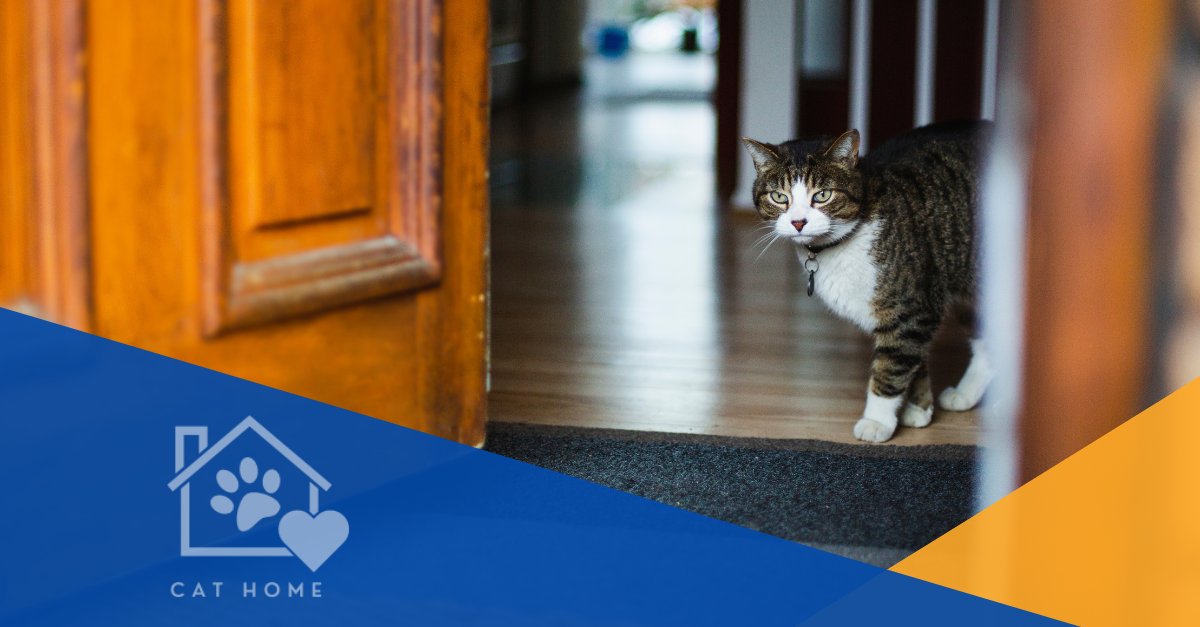
Why Cats Hate Closed Doors
By Nadya Aisy
Mon, Nov 2, 2026
You close the bathroom door for two minutes, and suddenly your cat acts like you have disappeared forever. There is scratching, meowing, and maybe even a tiny paw reaching underneath. But the moment you open it? Your cat walks away as if nothing happened. Sound familiar? This funny habit is more than just attention-seeking. Understanding Why Cats Hate Closed Doors reveals how curiosity, territory, and their connection with humans shape everyday feline behaviour.
1) Curiosity: What's Behind That Door?
Cats are natural explorers, and a closed door creates an irresistible mystery. Cats enjoy knowing what happens around their territory. When access suddenly disappears, their cat curiosity takes over. Even if the room contains nothing exciting, your cat might still investigate. After all, what if you are hiding their favourite toy?
2) Their Territory Has Unexpected Boundaries
Your home is your cat's kingdom, or at least that is what they believe!
Cats often patrol familiar spaces, leaving their scent and checking favourite resting places. When a door closes, part of their familiar territory becomes unavailable. This change can interrupt their sense of control. For some cats, it is not about entering the room. It is simply about having the freedom to choose.
3) They Don't Want to Miss Anything
Ever noticed your cat following you into the kitchen, bedroom, or bathroom?
Cats can form strong relationships with their humans. A closed door may separate them from someone they enjoy spending time with. This explains another part of Why Cats Hate Closed Doors. Your cat might not need cuddles, but they still want to know what their favourite human is doing.
Think of it as feline FOMO!
4) Scratching Gets Your Attention
Here is a familiar routine:
Your cat scratches. You open the door. Your cat gets what they wanted. Cats can learn that scratching certain surfaces attracts human attention. Repeated reactions may encourage door scratching, especially when cats feel bored or want company. Instead of responding to every scratch, encourage calm behaviour with toys, treats, and positive attention.
5) Closed Doors Can Disrupt Their Routine
Cats appreciate familiar surroundings and predictable activities. Suddenly blocking access to a favourite sleeping spot can create frustration. Some cats adjust easily, while others become unsettled. Providing safe spaces, suitable resources, and consistent interactions helps support feline wellbeing. Small changes can make a big difference to cat comfort.
How to Keep Your Cat Happy Around Closed Doors
You do not need to sacrifice your privacy! Try these simple habits:
- Keep boundaries consistent so your cat knows which rooms are accessible.
- Offer cosy beds, scratching posts, and toys outside restricted areas.
- Practise short periods with doors closed, rewarding relaxed behaviour.
- Spend time playing together before leaving your cat alone.
- Never punish scratching or meowing, as this may increase stress.
If your cat shows extreme distress, seek advice from your vet.
Let's Talk, Cat Parents!
Does your cat act like a tiny security guard whenever you close a door? Or do they demand entry only to leave immediately?
Now you know Why Cats Hate Closed Doors. Sometimes it is curiosity, sometimes affection, and sometimes simply wanting control over their little kingdom. Share your funniest closed-door cat moments with us! After all, living with cats means accepting one universal truth: privacy is optional, but feline supervision is apparently essential!