
About 50,000 cats are living on the streets in Singapore

Please refer href these guide on how href register your cat.
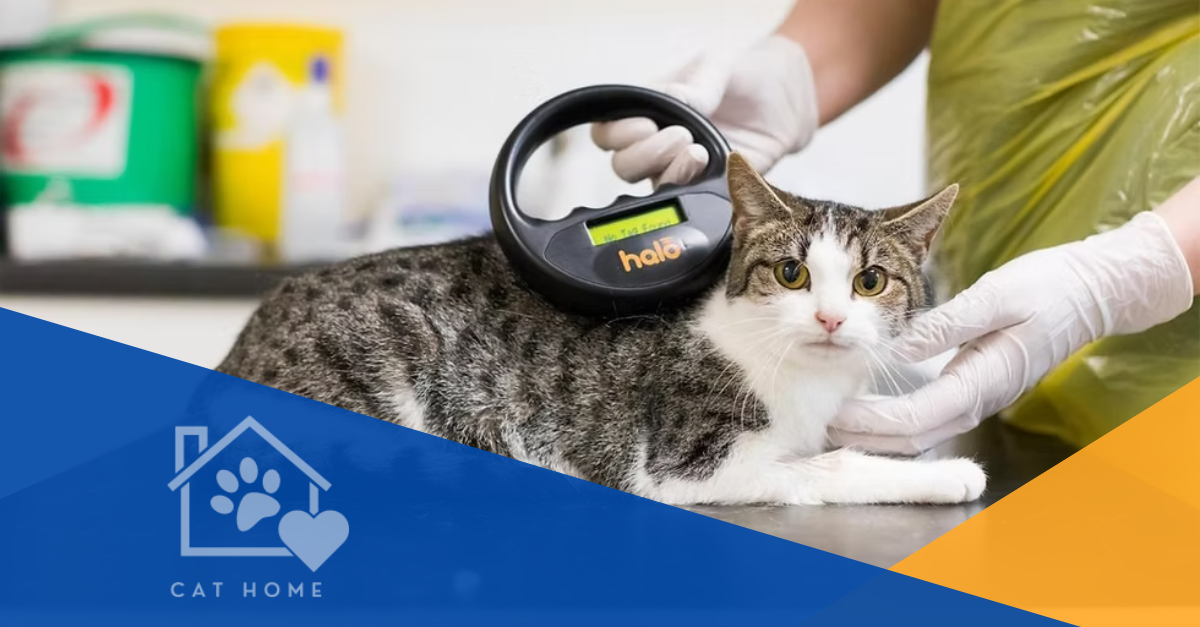
Why Cat Microchip Numbers Don’t Match Physical Tags
By Salwati Samzaman
Mon, Jan 26, 2026
You pick up your cat’s tag, read the number, then check the microchip record and… it is different. It feels scary, like something is wrong. But most of the time, there is a simple explanation.
In Why Cat Microchip Numbers Don’t Match Physical Tags, the key thing to remember is this: a microchip number and a tag number are often made for different jobs.
Microchip number vs tag number, they are not always the same thing
A microchip is a tiny implant under the skin. It holds a unique ID number that is scanned by a vet clinic, shelter, or animal control. Most modern pet microchips follow ISO standards and use a 15 digit number. That number is your cat’s permanent identity. A physical tag, on the other hand, can be anything: a custom engraved tag from a pet shop, a rescue tag, a town council style tag, or a clinic tag. Many tags do not use the microchip number at all. They may show a membership number, a registration number, or just your phone number.
So yes, it is common for the two numbers to look unrelated.
Common reasons the numbers do not match
- The tag is a registry or membership ID. Some registries and services create their own reference number for their system. The tag may show that system ID, not the microchip ID.
- The tag was engraved from old paperwork. Sometimes owners order a tag using a document that has the wrong number, or an older chip number from a previous owner, or even a clinic invoice number.
- A simple admin mix up happened. Mistakes can happen during vaccinations, adoption paperwork, or when kittens from the same litter are microchipped in the same visit. A number can be typed wrongly, or one cat’s document can be attached to another cat’s record.
- Your cat has more than one microchip. It is rare, but it happens. Some pets get re microchipped if their first chip stopped scanning well, or if history is unknown. When scanned, a different chip might appear than what is printed on a tag.
- Different number lengths can confuse people. Some systems accept 9, 10, or 15 digit microchip numbers, depending on the chip and country. That makes it easier to misread or copy the wrong digits.
What to do next (quick checklist)
- Step 1: Ask your vet to scan your cat. Do not rely on memory. Ask for the scanned number in writing.
- Step 2: Check which registry holds the record. Use a microchip registry lookup tool, then update your details with the correct registry.
- Step 3: Update the official registry you use in Singapore. If you are in Singapore, make sure the microchip details are correctly recorded in the AVS microchip registry, especially your contact number.
- Step 4: Replace the tag if needed. If your tag is meant to display the microchip number, order a new one using the scanned digits. If your tag is meant to show your phone number, keep it simple and readable.
The big takeaway from Why Cat Microchip Numbers Don’t Match Physical Tags is that mismatches are usually fixable. Once the correct chip is linked to your name and phone number, your cat has the best chance of coming home quickly if they ever get lost. And that is the real win of Why Cat Microchip Numbers Don’t Match Physical Tags.