
About 50,000 cats are living on the streets in Singapore

Please refer href these guide on how href register your cat.
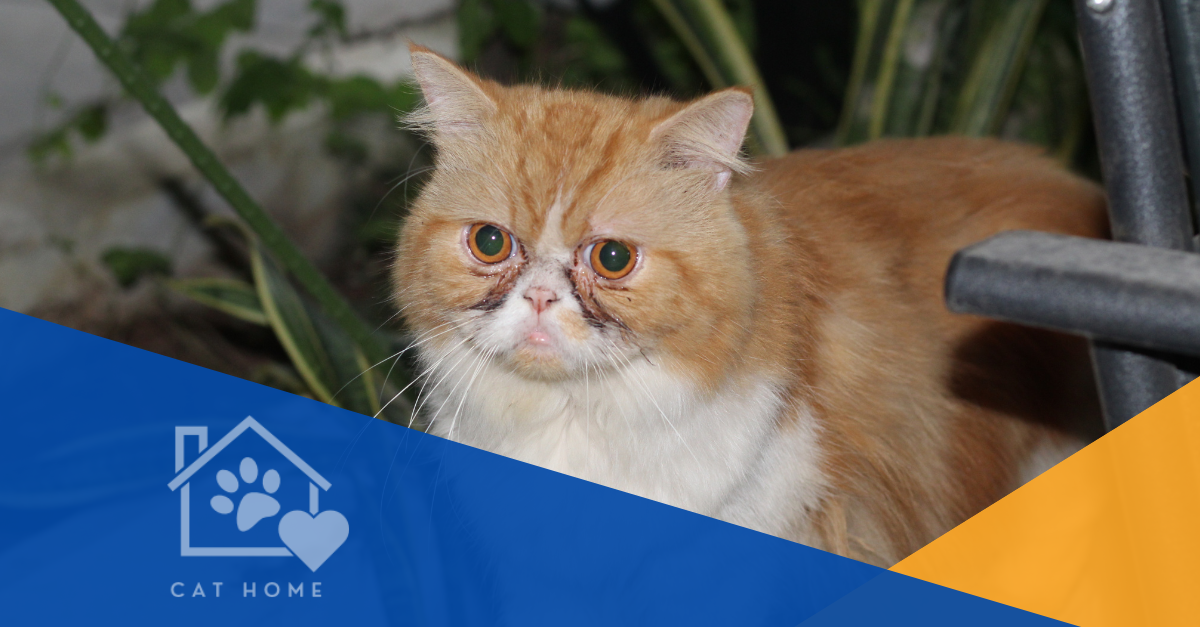
What Your Cat’s Eye Discharge Really Means
By Salwati Samzaman
Tue, Sep 1, 2026
You notice a small crust in the corner of your cat’s eye after they wake up. Should you clean it and move on, or should you worry? What Your Cat’s Eye Discharge Really Means depends on how much discharge there is, what colour it is, and whether your cat is showing any other changes. A tiny amount may simply come from normal tears and everyday debris.
However, repeated eye discharge deserves more attention. Excessive tearing can happen when the eyes produce too many tears or when tears do not drain properly. Watching your cat eyes regularly makes it easier to notice when something suddenly looks different.
Clear Tears Are Not Always a Problem
Clear watery eyes can happen when something temporarily irritates the eye. Dust, hair, or other small particles may cause extra tearing. Some cats may also naturally have more visible tears because of their facial shape or the way tears drain from their eyes.
The important thing is to look beyond the moisture itself. If your cat’s eyes remain bright and open, and they are behaving normally, mild watering may not always mean illness. Still, persistent watery eyes, wet fur beneath the eyes, tear staining, skin irritation, or repeated discharge are worth discussing with your veterinarian.
Yellow or Green Discharge Needs Attention
The colour of eye discharge can offer useful clues. Thick yellow, green, cloudy, or white discharge may appear when the eye is inflamed or infected. VCA lists cloudy, yellow, or green discharge among common signs of cat conjunctivitis, along with redness, swelling, squinting, and sensitivity to light.
Cat conjunctivitis can have several causes, including viruses, bacteria, irritation, and other eye conditions. Feline herpesvirus is one common infectious cause and may lead to eye discharge, redness, excessive blinking, and squinting. Because different eye problems can look similar at home, a veterinary examination is the safest way to understand the cause.
Watch the Whole Cat, Not Just the Eye
Sometimes the biggest clue is not the discharge itself. A cat with an eye infection or painful eye condition may squint, keep one eye closed, blink repeatedly, or avoid bright light. Red or swollen tissue around the eye can also suggest a problem that needs veterinary attention.
Sneezing and nasal discharge matter too. Upper respiratory infections in cats can cause discharge from both the eyes and nose, along with sneezing, tiredness, reduced appetite, and conjunctivitis. When several symptoms appear together, the issue may involve more than just the eye.
Know When It Is Time to Call the Vet
What Your Cat’s Eye Discharge Really Means is easier to understand when you compare the change with what is normal for your own cat. Occasional mild crust may be less concerning, but repeated discharge, redness, swelling, eye pain, cloudy-looking eyes, or persistent squinting should not be ignored. Cornell recommends veterinary care when a cat has apparent eye discomfort together with discharge so more serious eye disorders can be ruled out.
Avoid using human eye drops or leftover medication unless your veterinarian specifically recommends them. Careful observation is an important part of everyday cat health. What Your Cat’s Eye Discharge Really Means is not about diagnosing your cat at home. It is about recognising unusual eye symptoms early and knowing when your cat may need professional help.