
About 50,000 cats are living on the streets in Singapore

Please refer href these guide on how href register your cat.
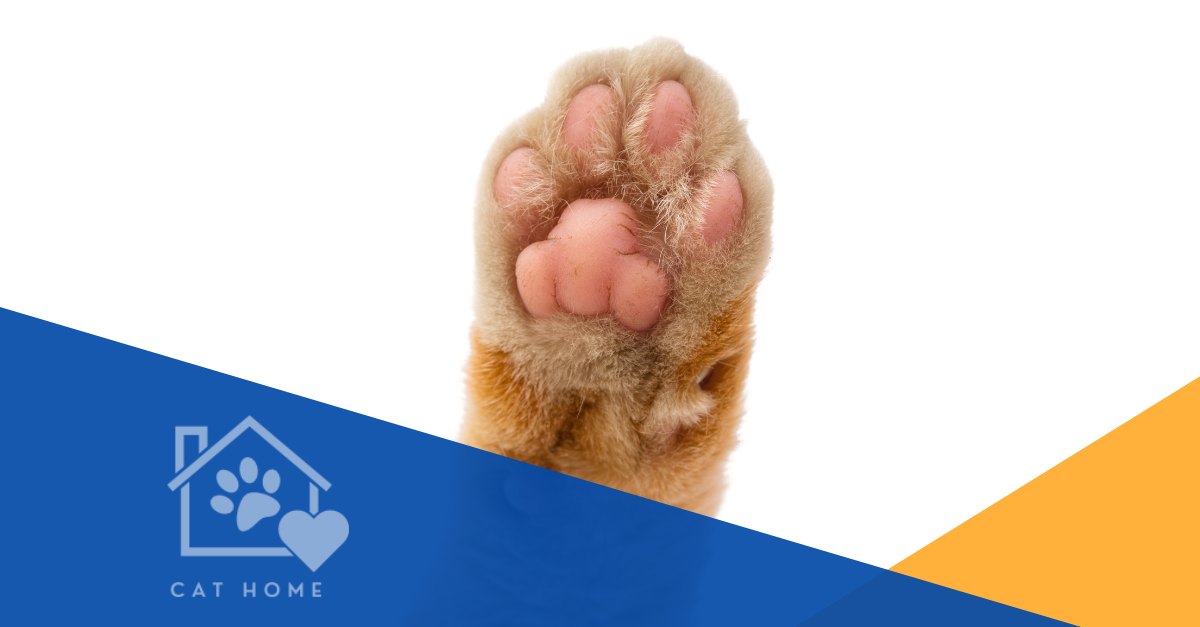
What Makes Cats' Paw Shapes Differ?
By Salwati Samzaman
Wed, Nov 8, 2023
What Makes Cats' Paw Shapes Differ?
Cats are known for their unique and often charming paw shapes. While these variations may seem purely aesthetic, there's more to a cat's paw than meets the eye. In this article, we'll delve into the fascinating world of feline paw shapes, exploring the reasons behind these differences and how they contribute to a cat's life.
Understanding the Basics:
First, let's grasp the basics of cat paw shapes. You've likely noticed that not all cats have the same paw shape. Some have small, dainty paws, while others boast larger, more robust ones. This diversity exists for several intriguing reasons.
1. Evolutionary Variations. Over time, cats' paw shapes have evolved to suit their specific needs and environments. Cats that needed to climb trees and navigate rough terrain developed sturdy, adaptable paws.
2. Climbing and Hunting Abilities. A cat's paw shape plays a pivotal role in its climbing and hunting prowess. Species like the cheetah have unique paw adaptations that enable incredible speed, while arboreal cats have specialized paws for tree-dwelling.
3. Fur and Paw Pads. Not only do paw shapes differ in size and structure, but some cats also have fur between their toes. This extra fur can serve various purposes, including providing insulation and aiding in stealth.
Stealth and Silent Stalkers:
Cats are renowned for their stealthy hunting techniques. Their paw shapes have adapted to enhance these skills.
1. Reduced Paw Pads. Cats that are expert hunters often have less prominent paw pads. This adaptation minimizes noise when they're on the prowl, making them more efficient hunters.
2. Serrated Paw Pads. Some cats have paw pads with a serrated edge, which can help them grip surfaces silently and with precision.
Size Matters:
The size of a cat's paws can also vary significantly, contributing to their overall appearance and behavior.
1. Large Paws, Large Cats? Contrary to popular belief, big paws don't necessarily mean a larger cat. While there can be some correlation, it's not a strict rule.
2. Adaptations for Terrain. Cats living in diverse landscapes have developed paw shapes to suit their environments. For example, snow leopards have broad paws that act like natural snowshoes.
Behavior Clues:
Believe it or not, a cat's paw shape can offer subtle hints about its behavior.
1. Paw Shape and Personality. Observing a cat's paw shape may help predict its personality traits. Cats with larger paws might be more prone to adventure, while those with smaller, daintier paws could be gentler and less likely to climb.
In essence, a cat's paw shape isn't just a cosmetic feature; it's an evolutionary masterpiece. These variations have been fine-tuned over generations to help cats survive and thrive in their respective habitats. By understanding the significance of paw shapes, we gain a deeper appreciation for the feline world and the incredible adaptations that have made them such successful and fascinating creatures.