
About 50,000 cats are living on the streets in Singapore

Please refer href these guide on how href register your cat.
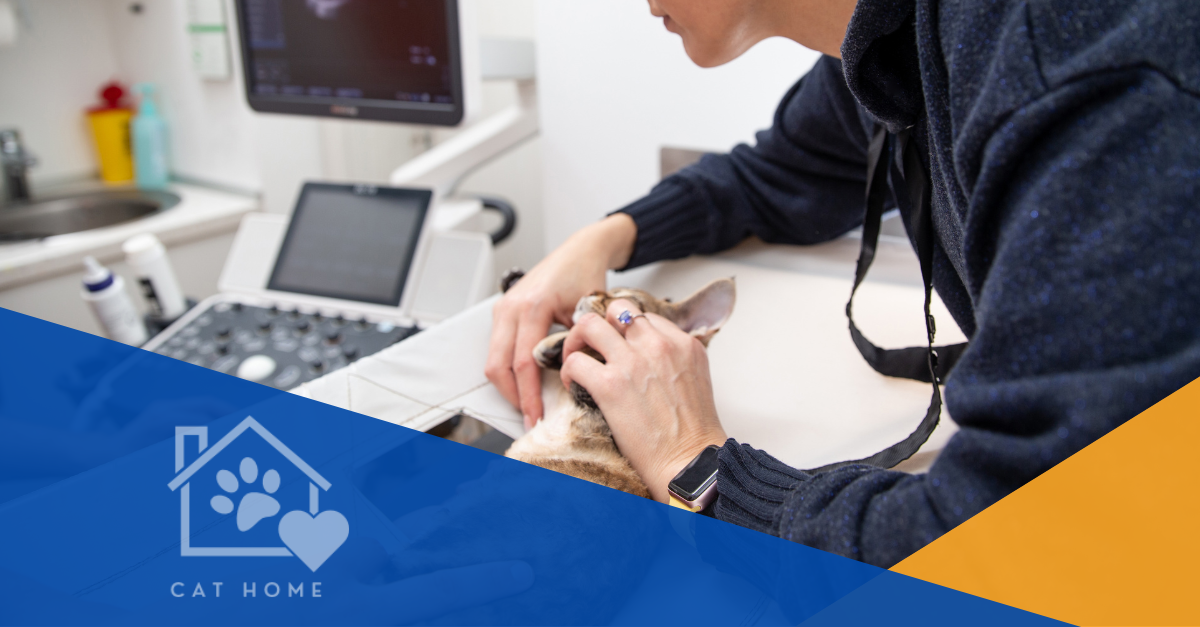
What Are the Common Symptoms of Hypertrophic Cardiomyopathy in Cats?
By Salwati Samzaman
Mon, Feb 5, 2024
Our feline companions bring us endless joy with their purrs and playful antics. However, like any other living being, they are susceptible to various health concerns. Hypertrophic cardiomyopathy (HCM) is a common heart condition in cats, thickening the heart muscle and potentially impacting its function. While some kitties might not show any signs, knowing the common symptoms of hypertrophic cardiomyopathy in cats is crucial for early detection and management.
Early Detection Makes a Difference:
HCM can progress silently, but recognizing the signs early allows for intervention before complications arise. What are the common symptoms of hypertrophic cardiomyopathy in cats? Here are some key indicators to watch out for:
- Respiratory Issues: Difficulty breathing, rapid panting, open-mouthed breathing, or wheezing can be signs of fluid buildup in the lungs due to HCM.
- Lethargy and Weakness: Excessive tiredness, decreased activity level, or reluctance to play could indicate their heart is struggling to keep up.
- Loss of Appetite and Weight Loss: Reduced interest in food or difficulty eating can manifest as HCM progresses.
- Abnormal Heart Sounds: Your veterinarian might detect a heart murmur or irregular heartbeat during a routine checkup.
- Sudden Collapse or Fainting: In severe cases, HCM can lead to sudden episodes of fainting or collapse, requiring immediate veterinary attention.
- Signs of Blood Clots: Painful hind leg weakness, paralysis, or sudden lameness can be caused by blood clots linked to HCM.
Remember: What are the common symptoms of hypertrophic cardiomyopathy in cats? Recognizing these signs and scheduling regular checkups with your veterinarian are crucial for managing HCM effectively. Early diagnosis allows for treatment plans that can improve your cat's quality of life and lifespan.
Taking Action for Your Feline Friend:
If you notice any of these symptoms in your cat, don't hesitate to schedule an appointment with your veterinarian. Early detection and intervention are key in managing HCM and ensuring your feline friend enjoys a long, happy life. Remember, What are the common symptoms of hypertrophic cardiomyopathy in cats? Knowing the answer to this question empowers you to be a proactive pet parent.
Curious to learn more about caring for your cat's heart health and other feline topics? Visit our website, cathome.sg, for comprehensive articles on various feline health topics. By educating yourself, you can provide the best possible care for your furry companion. So, what are you waiting for? Dive into the world of cat health information today!