
About 50,000 cats are living on the streets in Singapore

Please refer href these guide on how href register your cat.
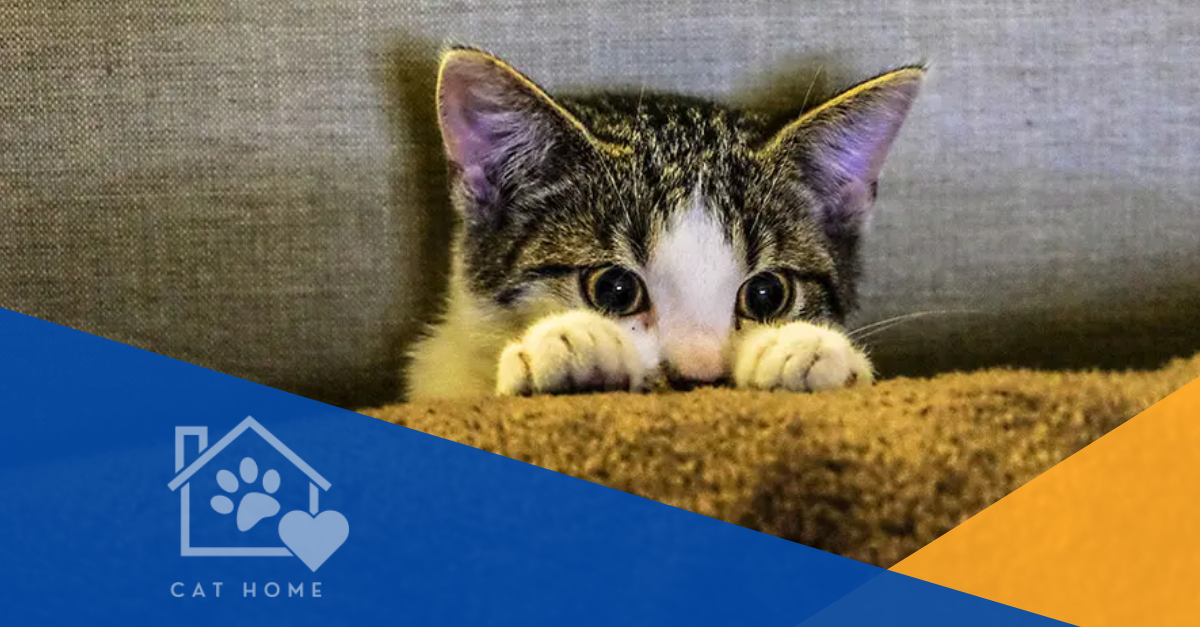
Wait, Do Cats Get Embarrassed?
By Salwati Samzaman
Mon, Mar 31, 2025
We absolutely adore our cat companions. Their graceful leaps, playful swipes, and adorable purrs fill our lives with joy. But have you ever caught your kitty in a moment that made you wonder, "Wait, do cats get embarrassed?" It might seem a bit daft, but those of us who share our homes with these enigmatic creatures have likely witnessed a few peculiar behaviours that suggest a hint of cat mortification.
The Composed Cat vs. The Clumsy Cat
Let's face it, cats are masters of composure. They exude an air of aloof confidence that's part of their charm. However, even the most poised kitty can have a slip-up. Picture this: your cat, with a running leap meant for the windowsill, misjudges the distance and lands with a clumsy thud. Or perhaps they're stalking a toy, only to trip over their own paws and tumble. These moments, often followed by a rapid grooming session or a dramatic exit, might leave you scratching your head.
The Question of Cat Embarrassment
Wait, do cats get embarrassed? While scientists haven't definitively confirmed that cats experience embarrassment in the same way humans do, they do exhibit behaviours that suggest a form of social awareness and discomfort. According to research, cats possess complex emotional lives. They understand social cues and can react to perceived "mistakes" with behaviours that resemble embarrassment.
Signs of Cat Discomfort
One key aspect is their sensitivity to their own physical grace. Cats pride themselves on their agility and precision. When they fail at a jump, miscalculate a landing, or otherwise disrupt their carefully curated image of cat perfection, they may experience a form of "cognitive dissonance." This discomfort can manifest as:
- Rapid grooming: This is a classic deflection tactic. Cats often groom themselves excessively after a perceived blunder, as if to say, "Nothing to see here, I meant to do that"
- Avoidance: A cat might quickly retreat from the scene of the "crime," seeking a quiet space to regain their composure.
- Sudden disinterest: They might abruptly shift their focus to something else, like a nearby window or a bit of fluff, to distract themselves (and you) from the awkward moment.
- Flattened ears and tail tucking: These are signs of general discomfort and can indicate that your cat is feeling vulnerable or uneasy.
Understanding Cat Emotions
It's important to remember that cats don't experience emotions in the same way humans do. Their emotional responses are often tied to survival instincts and social interactions. However, the behaviours they exhibit after a clumsy mishap suggest that they are aware of a deviation from their normal, graceful selves.
Conclusion
The next time you see your cat friend stumble or make a social faux pas, remember that they might be experiencing a moment of cat "embarrassment." Offer them gentle reassurance and a quiet space to recover their dignity. And while we can't definitively say, wait, do cats get embarrassed in the human sense, it's clear they have their own unique ways of displaying discomfort. Understanding these subtle cues will help you build a stronger bond with your furry companion.
Want more fun tips like this?
Don’t miss our previous articles:
- The Zoomies Cat: Why Does Your Cat Go Crazy?
- How Does a Cat Recognize Its Owner?
- Did You Know? Interesting Facts About Sphynx Cats