

The Sokoke: Kenya’s Wild but Gentle Cat
By Nadya Aisy
Mon, Oct 26, 2026
Imagine a cat that looks like it has stepped straight out of an African forest but would happily spend time playing with you at home. Meet the Sokoke, a rare and fascinating cat breed from Kenya. With its beautiful patterned coat, long legs, and curious personality, this cat has a story that cat lovers will enjoy discovering.
The Sokoke: Kenya’s Wild but Gentle Cat is more than a story about an unusual appearance. It is a journey into the world of a cat that brings together natural beauty, intelligence, and a special bond with people.
1. A Little Cat with a Big Story
The Sokoke comes from the coastal region of Kenya, near the Arabuko-Sokoke Forest. The breed takes its name from this forest area, where cats with distinctive markings were found.
In the late 1970s, Jeni Slater, who lived near Watamu, began raising some of these cats. A few years later, cats were brought to Denmark, helping introduce the breed to Europe. Today, the Sokoke remains rare compared with many familiar domestic cats. Its history reminds us that wonderful cat breeds can develop naturally, without needing a carefully planned appearance from the beginning.
2. A Coat That Looks Like Nature’s Artwork
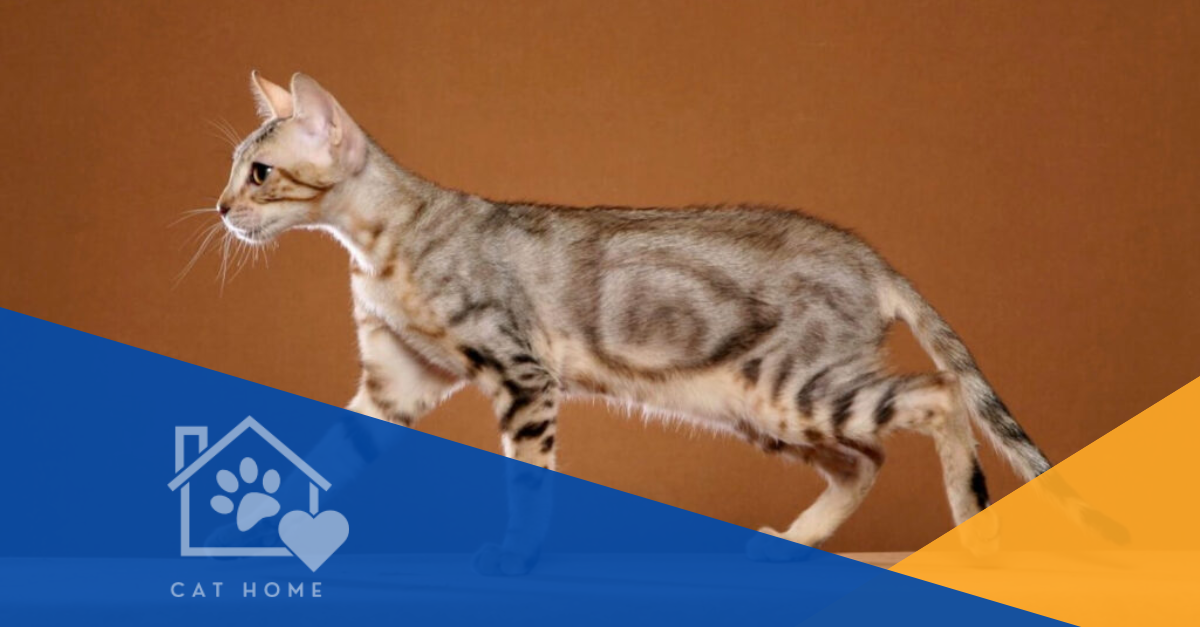
One look at a Sokoke, and you may notice its coat first. Shades of brown and dark markings create a beautiful tabby pattern that resembles tree bark. This natural design helps explain why the cats were given the local name Kadzonzo, often translated as “looks like tree bark.”
The Sokoke also has a slim, athletic body, long legs, alert ears, and expressive eyes that are usually amber or green. Its short, glossy coat needs relatively little grooming compared with long-haired breeds. For cat lovers who appreciate natural beauty, the Sokoke is a wonderful reminder that a cat does not need a fluffy coat to stand out.
3. Wild Looks, Warm Personality
Here is where the Sokoke becomes even more interesting. Although its appearance may remind you of a small wildcat, it is a domestic cat, not a wild predator living in your home.
Sokokes are known for being intelligent, playful, active, and closely attached to their human companions. Many enjoy climbing, exploring, and communicating with their families. They may also form strong bonds with other cats.
Think of a Sokoke as a curious little adventurer. It may investigate a new toy, explore a climbing shelf, and then settle nearby to enjoy your company. Every cat has its own personality, of course, so patience and gentle interaction are important.
4. How to Make a Sokoke Feel at Home
A happy Sokoke needs more than food and a comfortable bed. Because these cats enjoy movement and exploration, provide safe climbing spaces, scratching posts, interactive toys, and daily playtime.
Keep fresh water available, serve a balanced diet suitable for your cat’s age, and arrange regular veterinary checkups. Indoor living with plenty of enrichment can help protect your cat from traffic, disease, and other outdoor dangers.
If you are considering adopting one, choose a responsible breeder or reputable rescue and ask about the cat’s background, health, and social needs. Because Sokokes are rare, finding one may take time.
5. Why This Kenyan Cat Deserves Our Attention
The Sokoke is a beautiful example of how nature creates something extraordinary. Its forest-inspired markings, energetic spirit, and affectionate nature make it memorable without needing to be the most famous cat in the world.
The Sokoke: Kenya’s Wild but Gentle Cat invites us to look beyond appearances and appreciate the personality behind every pair of bright eyes. For cat lovers, that is the real magic: a little wild-looking wonder with a place in the human heart.
After all, the best thing about a cat is not how exotic it looks, but the connection it builds with the people who care for it.