
About 50,000 cats are living on the streets in Singapore

Please refer href these guide on how href register your cat.
The Mystery of Black Cats
By Salwati Samzaman
Mon, May 12, 2025
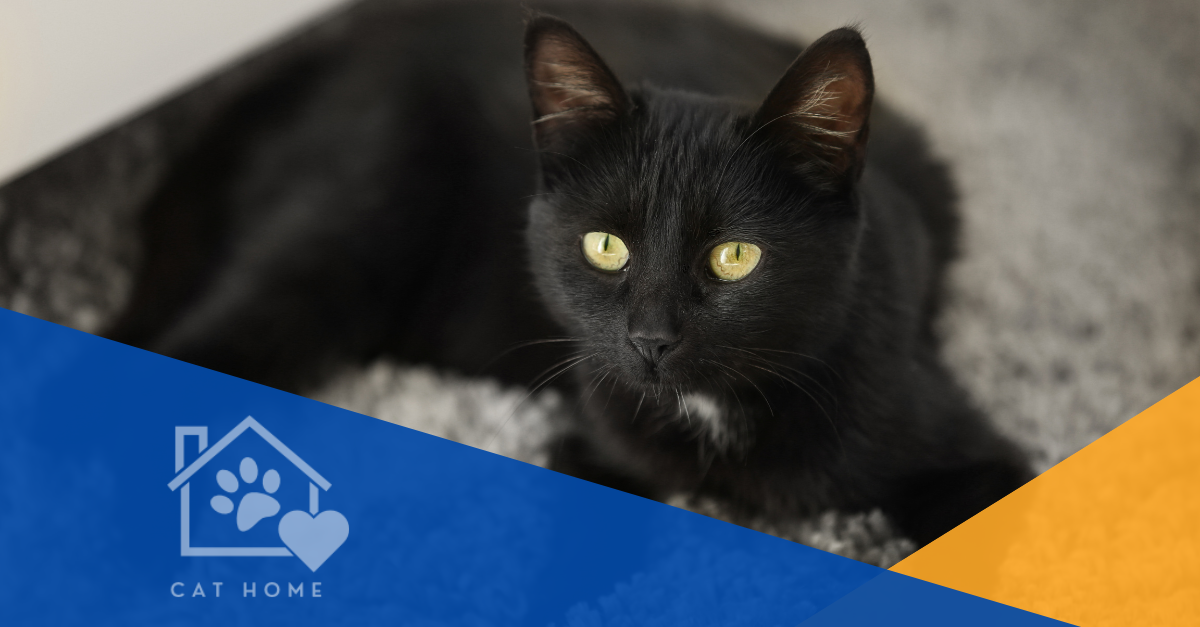
With their silky coats and glowing eyes, black cats have long captured human imagination. But behind their beauty lies a complex history filled with worship, fear, myth, and misunderstanding. In The Mystery of Black Cats, we’ll take a closer look at their ancient origins, their fall from grace, and why these coal-coloured companions are still surrounded by superstition today.
Origins of Black Cats
Domesticated cats trace back to around 7500 BC in the Middle East. They likely chose humans, not the other way around, by hanging around for food and protection. In ancient Egypt, cats were sacred. Black cats in particular were viewed as symbols of mystery and power. The goddess Bastet, often shown with the head of a black cat, was the protector of the home, fertility, and women.
These divine cats were not only loved by women. Egyptian men also worshipped them to safeguard their wives and daughters. Black cats were considered living deities and were even buried with their human companions.
Religious Influence and Demonisation
As Christianity spread through previously Pagan cultures, conflict arose. Pagan beliefs, including the worship of feline gods, clashed with the new religious order. Early Christian leaders began painting cats, especially black ones, as symbols of evil.
In the 14th century, during the witch trials in Europe, the Catholic Church played a key role in condemning cats. Pope Gregory IX even issued a decree calling for their extermination. Black cats became associated with witches and Satan, often accused of being familiars or even shape-shifting sorcerers. These wild claims stripped black cats of their divine status and tied them to fear and death.
Superstition and Bad Luck
This fear led to the rise of strange beliefs. Many thought that if a black cat crossed your path, bad luck would follow. These ideas grew stronger through the Renaissance and even carried into the 1600s in America during the Salem witch trials. The image of a black cat arched in fear became a symbol of Halloween and superstition.
However, not all traditions were negative. British and Irish sailors believed black cats brought good luck on ships. Some even refused to sail without one onboard, proving that black cats were seen as protectors in some cultures.
Modern Misunderstanding and Adoption Struggles
Despite centuries of change, black cats still face unfair judgement. They remain the least adopted coat colour in shelters and are often overlooked due to lingering myths. This is heartbreaking, as black cats are just as affectionate and playful as any other.
Bombay cats, known for their panther-like looks, and Lykoi cats, nicknamed “werewolf cats,” are striking examples of black cat breeds that challenge old stereotypes.
Advocating for Black Cats
The Mystery of Black Cats is one rooted in culture, history, and fear, but it doesn’t have to stay that way. Sharing adoption posts, volunteering at shelters, and spreading facts can help change public opinion. Black cats aren’t unlucky. They’re loyal, loving, and deserving of a warm, welcoming home.